
Whether you’re a mental health professional seeking resources or someone on their own healing journey, this collection of therapeutic tools bridges the gap between clinical practice and authentic wellness. Here you’ll find various resources that promote mental health healing. These tools are designed to complement traditional therapy while embracing the transformative power of intentional living.

Breaking Free: Your Real-World Guide to Crushing Separation Anxiety
Look, let’s be honest – separation anxiety isn’t just for little kids clinging to their parent’s leg on the first day of kindergarten. If you’re a teen dreading your best friend moving away, an adult whose stomach drops when your partner goes on a business trip, or someone who feels their chest tighten when they’re…
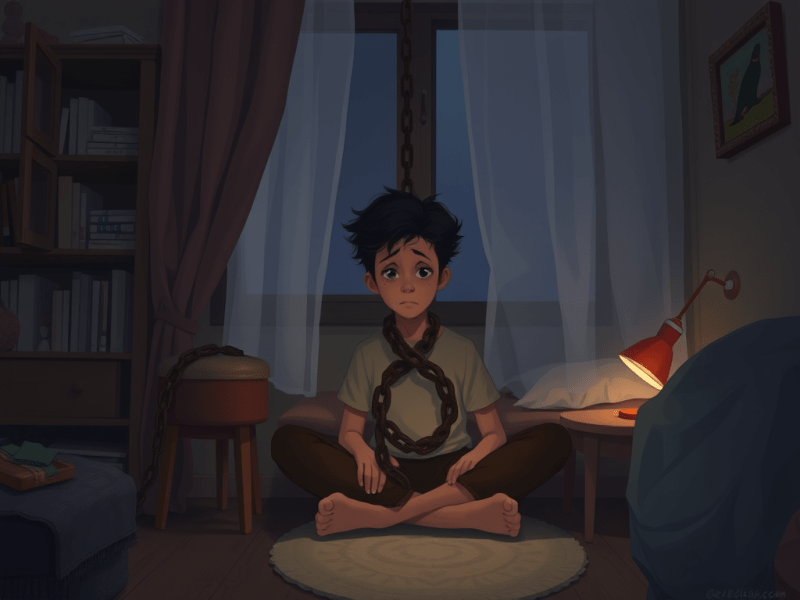
When Goodbye Feels Impossible: Understanding Separation Anxiety
You know that knot in your stomach when your partner leaves for a work trip? The panic that creeps in when your best friend doesn’t text back for a few hours? That suffocating feeling when you’re alone in your apartment and can’t shake the worry that something terrible has happened to the people you love?…

Facing Your Fears: Tips to Cope with Phobias
Hey friends! 👋 Let’s talk about something a lot of us deal with but rarely admit—phobias. Whether it’s heights, spiders, crowded places, or even flying, phobias can sneak into your life and make simple tasks feel like major challenges. The good news? There are strategies you can start using today to cope with your fears and take…

Phobias: When Fear Takes the Wheel
Let’s be real—fear can be sneaky. Most of us have had that moment of panic over something harmless: a spider, heights, public speaking… you name it. But for some people, these fears go beyond “yikes” and into full-on phobias. A phobia is more than just disliking something. It’s an intense, irrational fear that can affect your day-to-day life. And here’s…
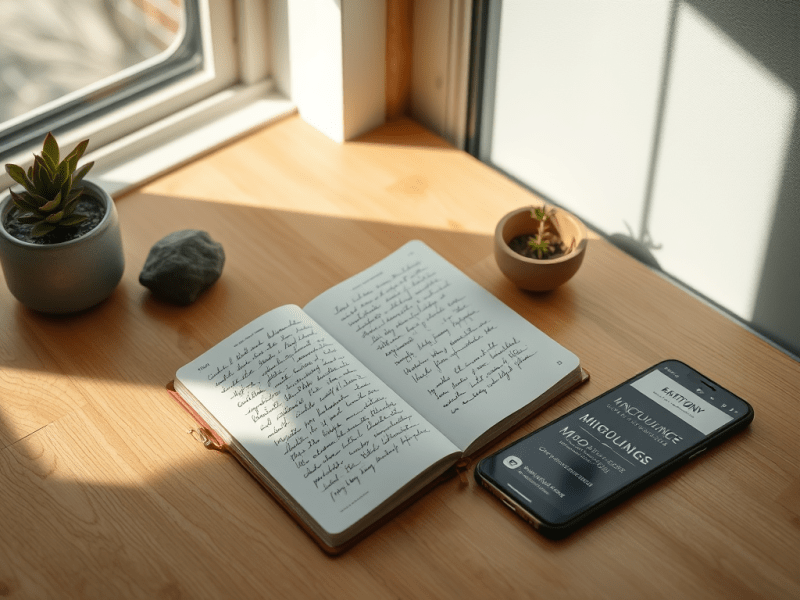
Simple Tools to Help Cope with OCD Tendencies
Living with obsessive-compulsive tendencies can feel exhausting—like your brain is stuck on “repeat.” Whether it’s checking, counting, or trying to silence intrusive thoughts, the cycle can quickly take over daily life. While there isn’t a one-size-fits-all fix, there are some simple tools you can practice to regain a sense of calm and control. 1. Grounding techniques.When intrusive…

Understanding OCD
When people hear the term OCD (Obsessive-Compulsive Disorder), they often think it just means being “extra neat” or “liking things organized.” But in reality, OCD is so much more than that—it’s a mental health condition that impacts thoughts, feelings, and behaviors, and it can feel overwhelming if you’re struggling with it. At its core, OCD is an anxiety…

Why Anxiety Workbooks Hit Different Than Just “Talking About It”
Real talk: I used to roll my eyes when therapists suggested workbooks. Like, what am I, in elementary school? But here’s the thing I’ve learned after years of working with anxious teens and young adults—your brain needs more than just venting sessions. Your Anxiety Needs Homework (But Make It Actually Helpful) Think of anxiety workbooks…

Your Brain on Anxiety: The Real Tea on Why You Feel Like This
Okay, let’s talk about the elephant in the room that’s been sitting on your chest, making your heart race, and convincing you that checking your phone 47 times in the last hour is totally normal behavior. Anxiety isn’t weakness—it’s your brain trying to keep you alive. Here’s what’s actually happening up there: Your amygdala (think…

Your Brain Is Not Broken: Why Overthinking Happens and How to Break the Cycle
We’ve all been there—lying in bed at 2 AM, replaying that awkward thing you said three hours ago, or spiraling about whether your friend’s dry text response means they hate you forever. Your brain feels like a browser with 47 tabs open, and somehow they’re all playing different anxiety soundtracks. Here’s the thing: overthinking isn’t…

Your Brain Is Not Your Best Friend (And That’s Actually Good News)
Picture this: you’re scrolling through social media and see someone from high school who seems to have their entire life figured out. Within seconds, your brain starts its favorite game show – “Let’s Compare Your Behind-the-Scenes to Everyone Else’s Highlight Reel!” Before you know it, you’re spiraling into thoughts about how you’re falling behind, how…

Why We Block Our Own Blessings (And How to Stop)
You know that thing where you’re finally making progress on something important – maybe you’re consistently working out, or things are going well in a relationship, or you’re actually studying for once – and then suddenly you just… stop? Like, you literally sabotage the good thing you’ve got going? Yeah, that. You’re not broken, and…

Meet Your Inner Squad: Why You’re More Than Just “One Person”
You know that voice in your head that’s always trying to keep you safe? The one that scans every room for exits and overthinks every text message? Or what about the part of you that just wants to have fun and says “yes” to everything, even when you’re exhausted? And then there’s that inner critic…

Breaking the Chain: How Your Family’s Past Might Be Shaping Your Present
Ever wonder why certain situations trigger you in ways that feel way bigger than the moment? Or why your family has these unspoken rules that everyone follows but no one can really explain? You’re not imagining things – and you’re definitely not “too sensitive.” Here’s the thing: trauma doesn’t just affect the person who experienced…

When Words Can’t Wait: Understanding Children’s Need to Interrupt
As a therapist who delights in working with children, I’ve come to understand that interrupting isn’t just rudeness—it’s often a child’s brain struggling with impulse control and the overwhelming need to be heard. The Volcano Effect Just like the character in “My Mouth is a Volcano,” many children experience thoughts and feelings with such urgency…

Beyond the Battle: Understanding Childhood Defiance
As a therapist who cherishes working with children, I’ve learned that defiance rarely stems from willful disobedience—it’s often a child’s way of asserting autonomy in a world where they have little control. The Real Story Behind “No” Like the character in “I Just Don’t Like the Sound of No,” many children experience genuine distress when…

When Little Hearts Carry Big Worries: Understanding Childhood Anxiety
As a therapist who adores working with children, I’ve witnessed how worry can consume young minds in ways that break your heart. Children’s imaginations, which bring such joy and creativity, can also become breeding grounds for fears that feel insurmountable to their developing brains. How Worry Shows Up in Kids Unlike adults who might verbalize…

Using Sorry! as a Therapeutic Tool with Children
Board games can be powerful therapeutic tools, and Sorry! offers unique opportunities for emotional learning with young clients. This classic game naturally creates situations that mirror real-life challenges children face. Why Sorry! Works in Therapy The game’s core mechanics—being “bumped” back to start, drawing cards that determine your moves, and the satisfaction of reaching “home”—parallel…

The Vanishing Art of Play
While working with teens and their families, I’ve witnessed a dramatic shift over the past decade. The children in my office today carry a different kind of anxiety than those I worked with fifteen years ago—one that seems deeply connected to how childhood itself has fundamentally changed. What we’re experiencing isn’t just kids spending more…

When the Past Lives in the Present
After years of working with teens and adults carrying invisible wounds, I’ve learned that trauma isn’t just something that happened—it’s something that continues to happen within the body until we address it with intention and care. Trauma has a way of embedding itself in our nervous system, creating patterns that persist long after the danger…

The Hidden Architecture of Change: How Small Habits Shape Our Lives
Working as both a therapist and lifestyle coach, I’ve witnessed countless clients struggle with the gap between who they are and who they want to become. The breakthrough often comes not from dramatic overhauls, but from understanding the profound power of tiny, consistent actions. Every habit is essentially a vote for the type of person…

Integrating Traditional Plant Wisdom into Modern Therapeutic Practice
As a therapist who believes in holistic wellness, I’ve found “Forgotten Home Apothecary” to be a valuable complement to my clinical work—not as a replacement for evidence-based treatment, but as a bridge to ancestral wisdom that can enhance overall well-being. This book reminds us that mental health is inseparable from physical wellness. The herbal preparations…

Treatment Planning
After years of practice, I still grab “The Complete Adult Psychotherapy Treatment Planner” regularly—it’s become an indispensable part of my clinical toolkit. I was first introduced to this handy tool while I was in grad school when we used it to learn how to write treatment plans for our clients. Comprehensive Coverage This resource covers…

Why Stress Balls Are My Secret Weapon
I’ve discovered that some of the most profound therapeutic moments happen when clients’ hands are busy. That’s why I keep a basket of stress balls within arm’s reach during every session—they’re far more than simple fidget toys. When an eight-year-old little girl first came to see me, she couldn’t sit still long enough to discuss…

Why My Therapy Office Looks Like a Toy Store
When new clients notice the fidget toys, art supplies, and stress balls scattered around my office, they often assume I only work with children. Then I watch a 45-year-old executive find their voice while molding Play-Doh, or see a withdrawn teenager open up during a game of Jenga. The therapeutic power of play doesn’t end…
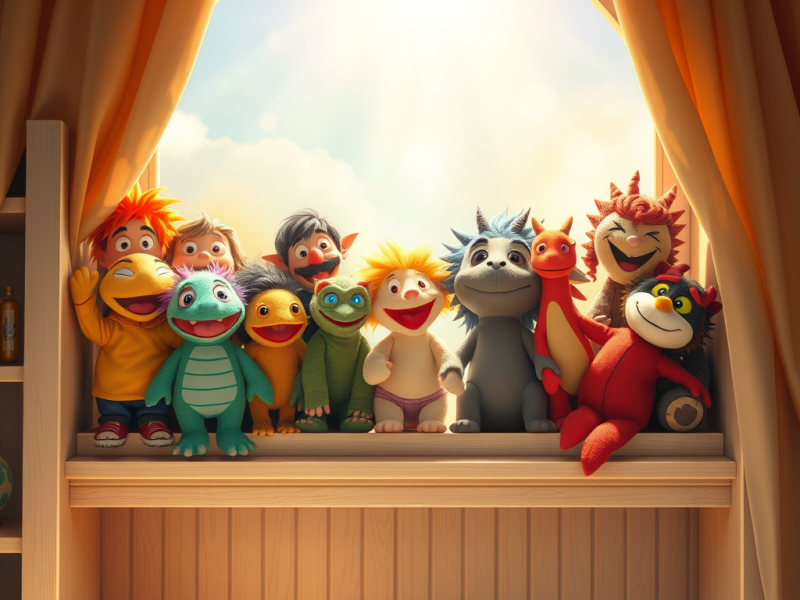
The Magic of Emotion Puppets
After several years of working with children, I’ve learned that sometimes the most profound therapeutic breakthroughs happen when we speak in whispers and squeaky voices. That’s why office shelves are lined with emotion puppets—each one a gateway to helping young clients explore their inner worlds. Children often struggle to articulate complex feelings, especially when those…

Working Through Grief: How Structured Resources Make a Difference
Grief doesn’t follow a timeline, and it rarely unfolds in the neat stages we’ve been taught to expect. As someone who has sat with countless clients navigating loss, I’ve witnessed how isolating and overwhelming this journey can feel. While grief is deeply personal, having the right tools can provide much-needed structure during a time when…
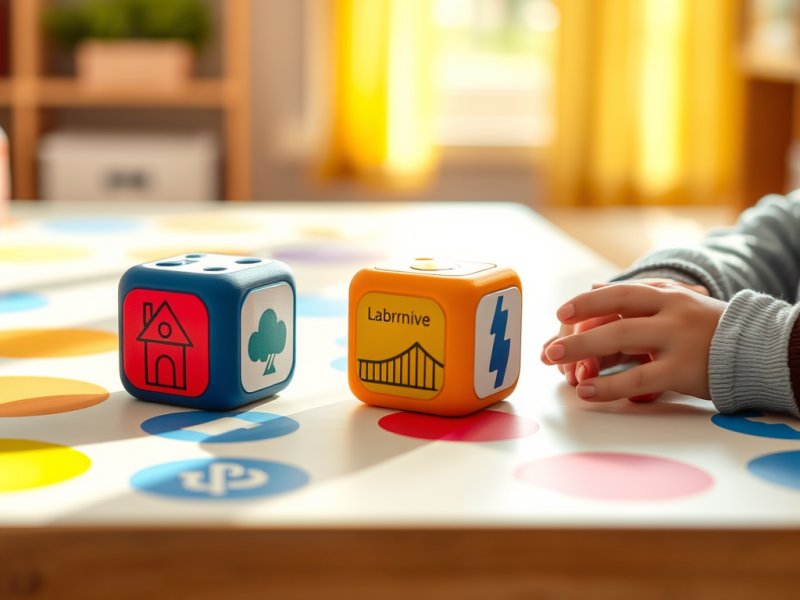
Unlocking Young Minds: How Rory’s Story Cubes Transform Communication in Therapy
In my practice working with children and adolescents, I’ve learned that direct questioning—”How are you feeling?” or “What happened at school?”—often leads to shrugs, one-word answers, or the dreaded “I don’t know.” Children’s inner worlds are rich and complex, but accessing them requires creativity and patience. This is where Rory’s Story Cubes have become one…

The Let Them Theory
I consistently recommend Mel Robbins’ “The Let Them Theory” to clients struggling with anxiety, people-pleasing behaviors, and boundary issues. This powerful mental health book offers a revolutionary approach to reducing stress and improving emotional well-being by teaching readers to release control over others’ actions and opinions. The Let Them Theory provides practical strategies for managing…
 Salt + Cedar Collective