
Transform your everyday routines into intentional practices that cultivate wellness, balance, and authentic living aligned with your values and mental health goals. This section explores sustainable living practices, seasonal lifestyle rhythms, mindful home organization, work-life balance strategies, and simple habits that integrate outdoor experiences, nourishing nutrition, and spiritual growth into your daily life. Whether you’re seeking guidance on creating morning rituals that ground you, establishing healthy boundaries, or designing a lifestyle that honors both your mental health needs and your desire for meaningful, connected living, these resources support your journey toward wholeness in every area of life.

National Youth Confidence Day: Why Your Inner Voice Matters More Than Ever
Today is National Youth Confidence Day, and honestly? We couldn’t need it more.
Let’s be real: growing up has always been hard. But today’s young people are navigating a world that feels uniquely challenging. Between social media comparisons, academic pressure, economic uncertainty, and a 24/7 news cycle that’s often terrifying, it’s no wonder confidence can feel like a rare commodity.
So let’s talk about why confidence matters, what it actually means, and how we can build it in a world that seems designed to tear it down.
Confidence Isn’t What You Think It Is
First, let’s clear something up: confidence is not about being perfect, fearless, or having it all together. That’s not confidence—that’s a performance, and it’s exhausting to maintain.
Real confidence is quieter than that. It’s the ability to try something even when you might fail. It’s speaking up for yourself when it matters. It’s recognizing your worth without needing constant external validation. It’s being okay with being a work in progress.
Think of confidence less like a superhero cape and more like a muscle. Some days it’s stronger than others, and that’s completely normal. The goal isn’t to feel confident 100% of the time—it’s to build enough of it that you can keep moving forward even when things get tough.
Why Today’s Youth Need This More Than Ever
Let’s acknowledge the elephant in the room: the world young people are inheriting is complicated and often scary. Climate anxiety is real. The job market feels unstable. Social media creates impossible standards. Mental health struggles are more visible but also more prevalent.
Add to that the pressure to have your entire life figured out by age 18, to build a perfect college application, to have a “personal brand,” and to somehow look effortlessly amazing while doing it all. It’s a lot. Like, a really overwhelming amount.
When you’re constantly bombarded with images of other people’s highlight reels, it’s easy to feel like you’re falling behind. When every decision feels like it has massive consequences for your future, it’s easy to freeze up. When the world feels chaotic and out of control, it’s easy to lose faith in yourself.
This is exactly why confidence matters. Not as a nice-to-have, but as a survival tool.
What Confidence Actually Does for You
Here’s what research and clinical experience tell us about confidence:
It protects your mental health. Young people with healthy self-confidence are more resilient when facing challenges. They’re better equipped to handle setbacks, criticism, and disappointments without spiraling into anxiety or depression.
It improves decision-making. When you trust yourself, you’re more likely to make choices aligned with your values rather than just following what everyone else is doing or what you think people expect from you.
It opens doors. Whether it’s speaking up in class, applying for that job you’re not 100% sure you’re qualified for, or asking someone out, confidence helps you take the risks that lead to growth and opportunities.
It’s contagious. When you show up with self-assurance, it gives others permission to do the same. Your confidence can literally help build confidence in your friends, siblings, and peers.
It creates a buffer against negativity. With a solid foundation of self-worth, the haters, critics, and trolls have less power over you. Their opinions become background noise rather than your internal soundtrack.
Building Confidence in an Unconfident World
Okay, so confidence is important. But how do you actually build it when everything feels overwhelming? Here are some real, practical strategies:
Start with self-compassion
Talk to yourself the way you’d talk to a good friend. When you mess up, don’t go straight to “I’m such an idiot.” Try “That didn’t go how I wanted, but I’m learning.” This isn’t toxic positivity—it’s just basic kindness toward yourself.
Focus on what you can control
You can’t control the economy, other people’s opinions, or whether that college accepts you. But you can control your effort, your attitude, and how you treat others. Putting your energy into what you can actually influence reduces feelings of helplessness.
Collect evidence of your competence
Keep a running list—mental or physical—of things you’ve accomplished, problems you’ve solved, and times you’ve been brave. It doesn’t have to be big stuff. “Made myself breakfast when I was exhausted” counts. So does “Told my friend how I really felt” or “Submitted that assignment even though I wasn’t sure it was good enough.”
Get comfortable with discomfort
Confidence isn’t built in your comfort zone. Every time you do something slightly scary—whether that’s joining a new club, speaking in public, or setting a boundary—you’re literally building neural pathways that make confidence easier next time.
Limit comparison traps
You don’t have to delete social media entirely, but be honest about how it makes you feel. If certain accounts leave you feeling inadequate, unfollow them. Remember that everyone’s posting their wins, not their ordinary Tuesday afternoon or their moments of doubt.
Find your people
Confidence grows in environments where you feel accepted and valued. Seek out friends, mentors, teachers, or communities where you can be yourself without performing. These relationships remind you of your worth when you forget.
Get good at something
It almost doesn’t matter what. Playing an instrument, cooking, skateboarding, coding, writing poetry, organizing events—when you develop competence in any area, it spills over into other parts of your life. You learn that growth is possible, that practice works, and that you’re capable of more than you thought.
Reframe failure
Every successful person you admire has failed repeatedly. The difference is they didn’t let failure define them. Start viewing mistakes as data points rather than character flaws. “This approach didn’t work” is very different from “I’m a failure.”
A Message to Parents, Teachers, and Mentors
Adults, we need to talk. Young people are watching us, and what they see matters.
Are you modeling healthy confidence? Do you admit when you’re wrong? Do you try new things even when you might not be good at them? Do you speak kindly to yourself?
Are you creating environments where young people can take safe risks and learn from mistakes, or are we inadvertently punishing anything less than perfection?
Are you offering genuine praise for effort and character, or just for achievements and appearances?
Building youth confidence is a collective responsibility. It requires us to examine our own relationship with confidence and to create spaces where young people can grow, stumble, and discover who they are without fear of judgment.
The Bottom Line
National Youth Confidence Day isn’t just about feel-good platitudes. It’s about recognizing that confidence is a critical life skill—one that can be learned, practiced, and strengthened over time.
If you’re a young person reading this: you don’t have to have it all figured out. You don’t have to be fearless. You just have to believe that you’re worth the effort of showing up for yourself, even on the hard days. Especially on the hard days.
Your voice matters. Your perspective matters. Your presence in this world matters. And building the confidence to truly believe that? That might be one of the most important things you ever do.
So today, and every day, choose one small thing that builds your confidence. Speak up when you usually stay quiet. Try something you’ve been putting off. Stand up for yourself or someone else. Celebrate a win, no matter how small.
Because a generation of confident young people who trust themselves, know their worth, and aren’t afraid to take up space? That’s exactly what this difficult world needs.
What’s one thing that helped build your confidence? Share in the comments—your story might be exactly what someone else needs to hear today.

The Haunting Story Behind Fleetwood Mac’s “Silver Springs”
Ever heard a breakup song so raw it makes your chest tight? Well, buckle up, because “Silver Springs” by Fleetwood Mac might just be the most devastating track you’ve never heard enough about.
The Song That Almost Wasn’t
Here’s the wild part: “Silver Springs” was originally supposed to be on Rumours, one of the best-selling albums of all time. But at the last minute, the band decided to cut it and replace it with another track. Imagine creating something that emotionally powerful and having it relegated to a B-side. Stevie Nicks, who wrote the song, was reportedly heartbroken by the decision.
The song finally got its moment in the spotlight when it appeared on the 1997 live album The Dance. The live performance is absolutely electric, with Stevie staring daggers at Lindsey Buckingham during the entire song. If you haven’t watched it, stop reading and go find it on YouTube. We’ll wait.
A Love Story Gone Nuclear
So what’s the song actually about? Stevie Nicks wrote “Silver Springs” about her tumultuous relationship with bandmate and guitarist Lindsey Buckingham. The two had been romantically involved before and during their time in Fleetwood Mac, and when things fell apart, it got messy. Like, record-an-entire-album-about-your-breakups-while-still-working-together-every-day messy.
The genius of Fleetwood Mac during the Rumours era is that they channeled all that emotional chaos into their music. Stevie was writing songs about Lindsey. Lindsey was writing songs about Stevie. Christine McVie was writing about her divorce from bassist John McVie. It was a beautiful disaster, and we got incredible music out of it.
What’s in a Name?
Fun fact: the title “Silver Springs” actually comes from a street sign Stevie saw while on tour. Silver Spring, Maryland (no ‘s’) is a real place, but Stevie added the ‘s’ and turned it into something mystical and poetic. Very on-brand for the woman who wrote about crystal visions and Rhiannon.
The name evokes something pure and reflective, which makes the emotional intensity of the song even more striking. It’s like wrapping heartbreak in silk.
The Lyrics That Cut Deep
Without quoting directly, the song’s message is pretty clear: Stevie’s basically telling Lindsey that he’s going to regret losing her. She paints herself as someone who will haunt his memories forever, someone he’ll never quite get over. There’s longing, anger, and a kind of prophetic certainty that she was the one that got away.
What makes it even more powerful is that she’s not wrong. Decades later, they’re still performing together, still connected through their music, and still processing that relationship in public.
That 1997 Performance Though
Let’s talk about The Dance performance again because it deserves its own section. By 1997, Stevie and Lindsey had decades of history, breakups, other relationships, and reunions behind them. When they performed “Silver Springs” for MTV, all that history was right there on stage.
Stevie’s delivery is absolutely withering. She’s not just singing the song—she’s performing an exorcism. Lindsey looks genuinely affected, and the rest of the band seems to be trying to stay out of the blast zone. It’s uncomfortable, captivating, and absolutely unforgettable. This performance is what finally gave “Silver Springs” the recognition it deserved.
Why We Still Care
So why does this song still resonate today? Maybe it’s because we’ve all had that person—the one who got away, the one we can’t quite shake, the relationship that defined us for better or worse. “Silver Springs” captures the complexity of heartbreak: the sadness, the anger, and the stubborn certainty that what you had was special, even if it ended badly.
Fleetwood Mac proved that you don’t have to be over someone to make great art about them. Sometimes the messiest emotions create the most timeless music.
The Takeaway
“Silver Springs” is a masterclass in turning pain into art. It’s a reminder that the songs that don’t make the album can sometimes be the most powerful ones. And it’s proof that time doesn’t necessarily heal all wounds—sometimes it just gives you a bigger stage to air them on.
So next time you’re going through it, put on “Silver Springs.” Let Stevie Nicks remind you that it’s okay to be haunted by your past, as long as you turn it into something beautiful.
And if you ever get the chance to tell your ex they’ll never get away from the sound of your voice? Well, Stevie showed us how to do it with style.
Have a favorite Fleetwood Mac drama moment? Drop it in the comments. This band had enough chaos for a Netflix series.
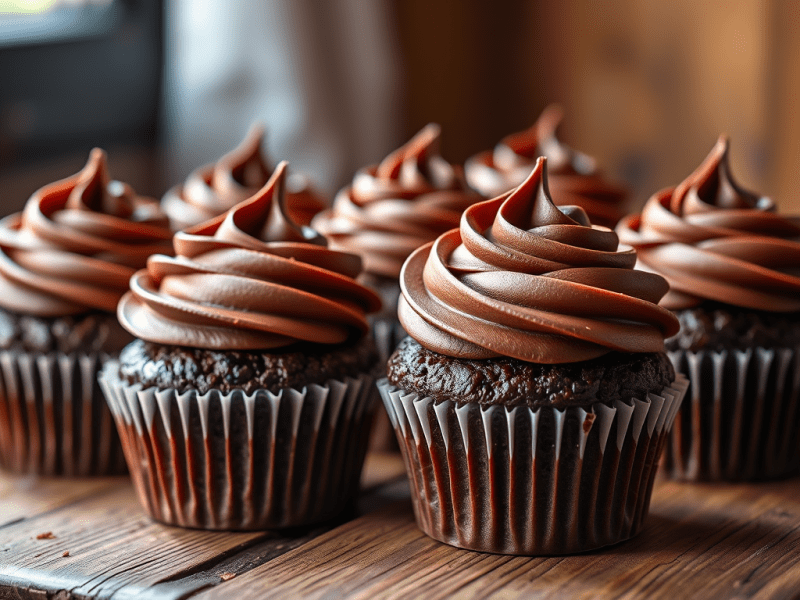
National Chocolate Cupcake Day: A Celebration of the Dessert That’s Always There For You
National Chocolate Cupcake Day: A Celebration of the Dessert That’s Always There For You
October 18th is National Chocolate Cupcake Day, and if that’s not a reason to eat cake for breakfast, I don’t know what is.
Let’s talk about the chocolate cupcake – the individually portioned, perfectly frosted, socially acceptable way to eat an entire cake by yourself. It’s personal-sized joy in paper wrapper form. It doesn’t judge you for eating three in one sitting. It’s always appropriate, whether you’re celebrating, commiserating, or just existing on a Tuesday.
The chocolate cupcake is the friend who shows up when you need them, asks no questions, and makes everything better. And today, we celebrate this hero.
The Cupcake Origin Story: It’s Older Than You Think
Cupcakes have been around since the late 1700s, but they weren’t called “cupcakes” initially. They were “number cakes” or “1234 cakes” because the recipe was easy to remember: 1 cup butter, 2 cups sugar, 3 cups flour, 4 eggs. Math you can actually use.
The name “cupcake” came from two possible origins:
Theory 1: They were originally baked in cups (teacups, ramekins, whatever was around) instead of cake pans. Cup + cake = cupcake. Revolutionary naming strategy.
Theory 2: The measurements were in cups, making them easy to remember and scale. Either way, someone looked at a cake and said, “What if we made this personal?” and changed dessert history forever.
The chocolate cupcake specifically? That came later, once cocoa powder became widely available in the 1800s. Before that, chocolate was primarily a drink. Imagine living in a world without chocolate cupcakes. Dark times.
Fun fact: The first known reference to a “chocolate cupcake” in print was in a 1904 cookbook. We’ve been perfecting them ever since.
Why Chocolate Cupcakes Hit Different Than Regular Cake
Here’s the thing about cupcakes that people don’t talk about enough: they’re objectively better than regular cake in several ways.
Reason #1: The frosting-to-cake ratio is superior A slice of cake might have frosting on top and between layers, but a cupcake? That’s a dome of cake with a crown of frosting. The ratio is chef’s kiss. Every bite includes cake AND frosting. No dry corner pieces. No weird middle slices with too little frosting. Just perfectly balanced dessert engineering.
Reason #2: The edges are the best part That slightly crispy, caramelized edge where the batter meets the wrapper? Perfection. You don’t get that in a regular cake slice. It’s a texture experience unique to the cupcake.
Reason #3: Portion control (or lack thereof) “I’ll just have one cupcake” is socially acceptable. “I’ll just eat an entire cake” gets you concerned looks. But functionally? Four cupcakes IS a small cake. The cupcake provides plausible deniability for your dessert choices.
Reason #4: No utensils required Cupcakes are finger food. Fancy finger food, but finger food nonetheless. You can eat them standing up, walking around, in your car, at your desk. Try that with a slice of layer cake and you’re asking for trouble.
Reason #5: Freshness One cupcake is always fresh. A cake sits around getting cut into, exposed to air, drying out. The cupcake maintains its integrity from first bite to last.
The Great Frosting Debate: What Belongs on a Chocolate Cupcake?
This is where things get controversial. People have OPINIONS.
Team Chocolate-on-Chocolate: “Why would you put anything other than chocolate frosting on a chocolate cupcake? Double down. Commit to the chocolate. This is not the time for half measures.”
Pros: Rich, decadent, chocolate overload in the best way Cons: Can be almost too rich (is that possible? the debate rages on) Best for: Serious chocolate lovers, midnight snacks, emotional eating
Team Vanilla Buttercream: “The vanilla provides contrast. It’s sophisticated. It lets the chocolate cake shine without competing. It’s the perfect complement.”
Pros: Balanced flavor profile, not overwhelmingly sweet, classic combo Cons: Team Chocolate thinks you’re a cowardBest for: People who appreciate nuance, traditionalists, pairing with coffee
Team Cream Cheese Frosting: “The tanginess cuts through the richness. It’s what chocolate cupcakes were meant for but didn’t know they needed.”
Pros: Tangy, creamy, adds complexity, not too sweet Cons: Some people think cream cheese frosting belongs exclusively on red velvet or carrot cake Best for: People who like balance, cream cheese frosting enthusiasts (it’s a lifestyle)
Team Peanut Butter: “Chocolate and peanut butter is a flavor combination that transcends debate. If you know, you know.”
Pros: Salty-sweet perfection, Reese’s energy, protein (we’re pretending) Cons: Allergy concerns at parties, extremely richBest for: PB&chocolate loyalists, people who eat Reese’s for breakfast
Team Salted Caramel: “Sweet, salty, luxurious. This is the gourmet option that makes people say ‘wow’ out loud.”
Pros: Instagram-worthy, complex flavor, feels fancy Cons: Can be sticky, harder to make at home Best for: Impressing people, special occasions, treating yourself
The truth? All of these are correct. There’s no wrong answer. This is a judgment-free zone. Eat your chocolate cupcake however makes you happy.
The Art of the Perfect Chocolate Cupcake: What Separates Good from Transcendent
Not all chocolate cupcakes are created equal. Here’s what makes the difference:
The Cake Itself:
Moisture is everything. A dry chocolate cupcake is a crime against dessert. The best chocolate cupcakes are tender, moist (yes, that word), and almost fudgy. This comes from:
- Using oil instead of butter (controversial but effective)
- Adding sour cream, yogurt, or buttermilk for tanginess and moisture
- Using hot coffee or hot water to bloom the cocoa powder (intensifies chocolate flavor)
- Not overbaking (pull them out when they just stop jiggling)
Real chocolate matters. Using both cocoa powder AND melted chocolate creates depth. Cocoa powder gives you that classic chocolate cake flavor. Melted chocolate adds richness and complexity.
The crumb should be tender but not mushy. You want it to hold together when you bite it but dissolve on your tongue. It’s a delicate balance achieved through proper mixing and not overdeveloping the gluten.
The Frosting:
Texture is key. Buttercream should be fluffy and pipeable but not grainy. Cream cheese frosting should be tangy and smooth. Ganache should be glossy and thick enough to hold its shape.
Sweetness balance. Frosting should enhance, not overwhelm. If your frosting makes your teeth hurt, it’s too sweet. Add a pinch of salt. Use quality ingredients. Taste as you go.
Application matters. That swirl on top? It’s not just aesthetic. It increases surface area, which means more frosting per bite. Science.
Chocolate Cupcake Variations That’ll Blow Your Mind
Once you’ve mastered the classic, it’s time to get weird (in the best way).
The “I’m Fancy Now” Options:
Molten Lava Center: Bake a piece of chocolate truffle or a chocolate square into the center. When someone bites in, it oozes. Dramatic. Delicious. Instagram gold.
Espresso Chocolate: Add instant espresso powder to your batter. Coffee enhances chocolate flavor without making it taste like coffee. It’s flavor chemistry magic.
Mexican Hot Chocolate: Add cinnamon and a pinch of cayenne to the batter. Top with cinnamon buttercream. Sweet, spicy, complex.
Salted Dark Chocolate: Use dark cocoa powder, add sea salt to the batter and sprinkle flaky salt on top. For the sophisticated palate (or anyone who likes Trader Joe’s dark chocolate peanut butter cups).
The “Childhood Nostalgia” Options:
Cookies and Cream: Chocolate cupcake with crushed Oreos in the batter, vanilla frosting, Oreo on top. It’s like your childhood had a glow-up.
S’mores: Top with toasted marshmallow frosting and graham cracker crumbs. Bonus points if you torch the marshmallow with a kitchen torch like you’re on a cooking show.
Chocolate Peanut Butter Cup: Put a mini Reese’s in the batter before baking, top with peanut butter frosting and another Reese’s. This is not subtle. This is not apologetic. This is commitment.
Brownie Batter: Make them extra dense and fudgy, underbake slightly, top with chocolate ganache. It’s like a brownie and cupcake had a baby.
How to Eat a Cupcake: There Are Rules (Kind of)
Method 1: The Top-Down Approach Peel the wrapper, eat from top to bottom. Classic. Straightforward. No notes.
Method 2: The Sandwich Method Remove the wrapper, tear the bottom off, place it on top of the frosting to create a cupcake sandwich. This ensures frosting in every bite and keeps your nose clean. Game-changer for some, unnecessary for others.
Method 3: The Frosting-First Method Lick/eat all the frosting first, then eat the cake. If this is you, you’re chaos incarnate and I respect that.
Method 4: The Surgical Approach Use a fork and knife to dissect it into pieces. Fancy. Formal. Possibly psychotic depending on the setting.
Method 5: The Unhinge-Your-Jaw Method Try to bite the whole top off at once like a python. Messy. Ambitious. Frosting ends up on your nose. Living your truth.
The correct method? Whichever one brings you joy. This is your cupcake journey.
The Economics of Cupcakes: Why Do They Cost So Much?
Real talk: why does a single cupcake at a bakery cost $4-6 when you can make a dozen at home for less than $10?
Here’s the actual breakdown:
Ingredients: Quality butter, real vanilla, good chocolate – these aren’t cheap. Bakeries often use premium ingredients that cost more than grocery store basics.
Labor: Someone mixed that batter, filled those liners, monitored the baking, made the frosting from scratch, and piped it perfectly. That’s skilled labor.
Overhead: Rent, utilities, equipment, packaging, licensing. Running a bakery is expensive.
The art factor: That perfectly swirled frosting? That decorative detail? That flavor combination? Someone developed that recipe and perfected that technique.
Is it worth it? Sometimes absolutely yes. Supporting local bakeries, getting a perfectly executed dessert you didn’t have to make, treating yourself – all valid reasons to pay $5 for a cupcake.
Is homemade better? Depends on your skill level and the bakery. Homemade gives you control and costs less. Bakery gives you professional quality and zero cleanup. Both have their place.
How to Celebrate National Chocolate Cupcake Day
Level 1: The Participant Buy a chocolate cupcake. Eat it. Enjoy it. You’ve participated. Gold star.
Level 2: The Enthusiast Try a chocolate cupcake from a new bakery you’ve never been to. Make it an adventure. Rate it. Compare it to your favorites. Become a cupcake critic.
Level 3: The Baker Make chocolate cupcakes from scratch. Try a new recipe. Experiment with frosting flavors. Share them with friends, neighbors, coworkers. Spread the joy.
Level 4: The Scientist Make multiple batches with different variables. Different cocoa powders. Oil vs. butter. Various frosting styles. Document your findings. Eat all the research. It’s for science.
Level 5: The Party Planner Host a cupcake decorating party. Everyone makes their own. Provide toppings, frostings, sprinkles, candy. Let chaos reign. Take photos. Create memories.
The Bottom Line
Chocolate cupcakes are perfect. They’re portion-controlled indulgence, they’re socially acceptable to eat alone or in groups, they’re endlessly customizable, and they’re always appropriate.
Bad day? Chocolate cupcake. Good day? Chocolate cupcake. Regular day? Chocolate cupcake. There’s no situation that isn’t improved by a chocolate cupcake.
So on October 18th – and honestly, any day you want – celebrate the chocolate cupcake. Make them, buy them, eat them, share them, or hoard them. No judgment.
Life is short. Eat the cupcake. Preferably with chocolate frosting, but I’ll accept all answers.
Happy National Chocolate Cupcake Day. May your frosting swirls be perfect and your cake be moist. 🧁
What’s your chocolate cupcake stance? Team chocolate-on-chocolate or team vanilla frosting? Do you have a secret cupcake recipe? Or are you firmly team “I’ll just buy them”? Drop your cupcake takes below. Let’s debate frosting choices like adults.
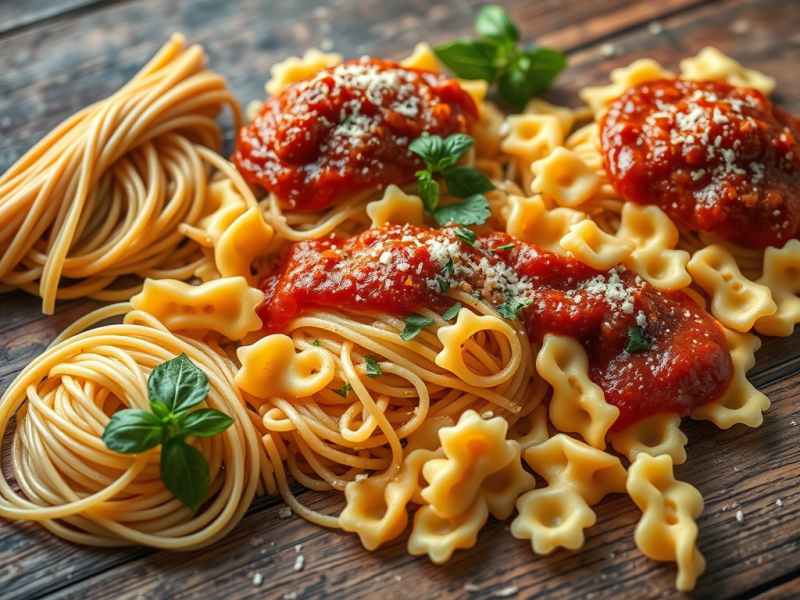
National Pasta Day: A Love Letter to the Carbs That Never Let Us Down
National Pasta Day: A Love Letter to the Carbs That Never Let Us Down
October 17th is National Pasta Day, and honestly, pasta deserves way more than just one day.
Let’s be real: pasta is the ultimate comfort food, the reliable friend, the “I don’t know what to make for dinner” savior, and the reason Italy has been winning at life for centuries. It’s carbs, it’s versatile, it’s delicious, and it doesn’t judge you for eating it three nights in a row.
So grab your forks (twirl, don’t cut – we’ll get to that), and let’s celebrate the noodle in all its glorious forms.
Pasta: The Food That Literally Changed History
You think pasta is just food? Think again. This is cultural currency.
The Marco Polo myth: Everyone says Marco Polo brought pasta back from China to Italy in the 13th century. Plot twist – that’s basically fake news. Italians were already eating pasta before Marco Polo was even born. There’s evidence of pasta-making in Italy dating back to the 4th century BCE. The man did a lot of traveling, but he didn’t invent spaghetti night.
The real story: Pasta likely evolved independently in multiple places. The Chinese had noodles. The Italians had pasta. Both cultures looked at wheat and water and said, “Let’s make something amazing.” Great minds think alike, apparently.
Why it matters: Pasta was revolutionary because it could be dried and stored for months, even years. Before refrigeration, this was HUGE. It meant people could survive winters, sailors could eat on long voyages, and families had reliable food security. Pasta literally helped civilization expand.
That penne in your pantry right now? It’s part of thousands of years of human innovation. Respect.
The Pasta Shape Conspiracy: Why There Are 600+ Types
Here’s something wild: Italy has over 600 documented pasta shapes. Six. Hundred.
Why so many? Because Italians take this seriously, and different shapes aren’t just aesthetic – they’re functional.
The method to the madness:
Long and thin (spaghetti, linguine, angel hair): Perfect for light, oily, or smooth sauces that coat each strand. Think aglio e olio, carbonara, or simple tomato sauce. The sauce clings without overwhelming.
Tubes (penne, rigatoni, ziti): The ridges and hollow centers trap chunky sauces. That thick meat sauce? Bolognese? Vodka sauce? It gets inside the tube and in the grooves. Every bite is flavor-packed.
Shaped pasta (farfalle, orecchiette, shells): These little pockets and curves catch ingredients. Farfalle (bow ties) hold creamy sauces in their folds. Orecchiette (little ears) are perfect for vegetables and pesto. Shells become tiny bowls for cheese and sauce.
Tiny pasta (orzo, ditalini, acini de pepe): Made for soups and salads where you need pasta that plays well with other ingredients without taking over.
The rule: The heavier and chunkier the sauce, the more substantial the pasta shape should be. It’s not random – it’s science disguised as carbs.
Pasta Crimes That Need to Stop (According to Italians)
Italians have opinions about pasta. Break these rules at your own risk:
Crime #1: Breaking spaghetti before cooking Why are you doing this? The pot is big enough. Just let it soften and push it down. Breaking spaghetti is like cutting the Mona Lisa in half because it doesn’t fit your frame.
Crime #2: Rinsing pasta after cooking No. Stop. The starch coating helps sauce stick. Rinsing washes away that magical sticky layer. The only exception: if you’re making pasta salad.
Crime #3: Pouring sauce on top instead of mixing it This isn’t a sundae. You’re supposed to toss the pasta IN the sauce so every piece gets coated. That’s how flavor works.
Crime #4: Cutting pasta with a knife Twirl it. Use your fork. Be patient. Cutting pasta with a knife is apparently what nightmares are made of in Italy.
Crime #5: Putting chicken in pasta Italians don’t do chicken pasta. They’ll do chicken as a separate course, but chicken alfredo? Not a thing in Italy. That’s an American invention, and Italians have thoughts about it (mostly confusion).
The twist: Here’s the thing though – if you’re not in Italy and you enjoy your pasta your way? Do you. Food is meant to be enjoyed. Just maybe don’t do it in front of an Italian grandmother.
The Cult of Carbonara: Let’s Settle This
Carbonara is having a moment (okay, it’s been having a moment for decades), and people are passionate about it.
The authentic recipe has exactly 5 ingredients:
- Guanciale (cured pork cheek – NOT bacon, the Italians will find you)
- Eggs (just the yolks for some, whole eggs for others – this debate rages on)
- Pecorino Romano cheese (NOT Parmesan, though some mix both)
- Black pepper (lots of it)
- Pasta (traditionally spaghetti or rigatoni)
That’s it. No cream. No garlic. No peas. No chicken.
How it actually works: The heat from the pasta cooks the eggs into a silky, creamy sauce without scrambling them. It’s technique, timing, and temperature. When done right, it’s transcendent. When done wrong, you’ve made scrambled eggs with pasta.
The American version usually has cream, sometimes bacon, occasionally random vegetables. Is it carbonara? Technically no. Is it delicious? Often yes. Is this okay? Depends on who you ask and how much you value online arguments.
Instant Ramen: The Underdog That Deserves Recognition
Let’s talk about the pasta (yes, it counts) that got many of us through college, late nights, and tight budgets: instant ramen.
Fun facts you didn’t know:
- Instant ramen was invented in 1958 by Momofuku Ando in Japan
- It was literally designed to be affordable, convenient, and filling
- There’s an entire museum dedicated to it in Yokohama, Japan
- It went to space in 2005 (Space Ram – specially designed for zero gravity)
The glow-up: Instant ramen has evolved. People are treating it like a base ingredient and going wild:
- Add an egg (poached, soft-boiled, or beaten into the broth)
- Throw in actual vegetables (spinach, bok choy, mushrooms, corn)
- Upgrade the protein (leftover chicken, tofu, shrimp)
- Add sesame oil, sriracha, or chili crisp for flavor depth
- Top with green onions, nori, or sesame seeds
Suddenly your $0.50 packet of noodles is a legit meal. That’s the power of pasta.
How to Celebrate National Pasta Day (Beyond Just Eating Pasta)
Level 1: The Easy Celebration Make your favorite pasta dish. That’s it. Spaghetti and jarred sauce? Valid. Boxed mac and cheese? Also valid. Enjoy your carbs judgment-free.
Level 2: Try a New Shape Go to the store and buy a pasta shape you’ve never tried. Make it. See how it changes your sauce game. Orecchiette might become your new obsession.
Level 3: Make Fresh Pasta It’s easier than you think. Flour, eggs, salt, and some elbow grease. You don’t need a fancy machine (though they help). Rolling pin works fine. Fresh pasta cooks in like 2-3 minutes and tastes unreal.
Level 4: The Restaurant Experience Support your local Italian spot. Try something you can’t pronounce. Ask the server what’s good. Live a little.
Level 5: Pasta Party Host a “build your own pasta bowl” night. Make 2-3 types of pasta, set out different sauces, proteins, and toppings. Let everyone customize. It’s like Chipotle but pasta. And way more fun.
Pasta Hacks That Will Change Your Life
The pasta water trick: Save a cup of that starchy pasta water before draining. Add it to your sauce. It helps the sauce stick to the pasta and creates a silky texture. This is the secret restaurants don’t want you to know (except they do, and chefs talk about it constantly).
The one-pot pasta method: Cook pasta directly in the sauce with added liquid. Everything finishes together, the pasta absorbs flavor, and you only dirty one pot. Game-changer for weeknight dinners.
The cold water start: Put pasta and cold water in a pot together, then turn on the heat. It uses less water, reduces cooking time slightly, and the extra starch in the concentrated water is great for sauce. Science is wild.
The olive oil debate: Don’t add olive oil to your pasta water. It prevents sauce from sticking. Save the olive oil for drizzling on top at the end.
The al dente rule: Cook pasta 1-2 minutes less than the package says. It should have a slight bite in the center. It’ll finish cooking when you toss it with hot sauce, and you won’t end up with mush.
The Weirdest Pasta Dishes That Actually Exist
Cacio e Pepe: Cheese. Pepper. Pasta water. That’s the entire dish. Sounds basic, but it’s notoriously difficult to make correctly. The cheese can clump, the sauce can break, and Italian grandmas judge you harshly.
Pasta alla Gricia: Basically carbonara without eggs. Guanciale, pecorino, pasta, pepper. Proof that sometimes less is more.
Spaghetti all’Assassina: “Assassin’s spaghetti” from Bari, Italy. The pasta is cooked directly in tomato sauce in a screaming hot pan until the bottom burns and gets crispy. It’s intentionally charred. It sounds wrong but tastes incredible.
Pasta with Candies: In Calabria, Italy, there’s a traditional Christmas dish called “Pasta e Noci” made with pasta, walnuts, breadcrumbs, and… honey and cinnamon. Sweet pasta is apparently a thing.
Swedish Spaghetti: In Sweden, they sometimes serve spaghetti with ketchup and cut-up hot dogs. Italians everywhere just felt a disturbance in the force.
The Bottom Line
Pasta is universal. It crosses cultures, budgets, skill levels, and dietary preferences (gluten-free, chickpea, lentil, zucchini – there’s pasta for everyone now). It’s comfort in a bowl, dinner in under 20 minutes, and proof that sometimes the simplest things are the most satisfying.
So on October 17th – and honestly, any day ending in “y” – celebrate the noodle. Cook it, twirl it, sauce it, love it.
Life is uncertain. Pasta is forever.
Now go forth and carb-load with pride. 🍝
What’s your go-to pasta dish? Are you team red sauce, white sauce, or oil-based? And most importantly: do you break your spaghetti before cooking? (Be honest, this is a safe space… mostly.) Drop your pasta confessions below.
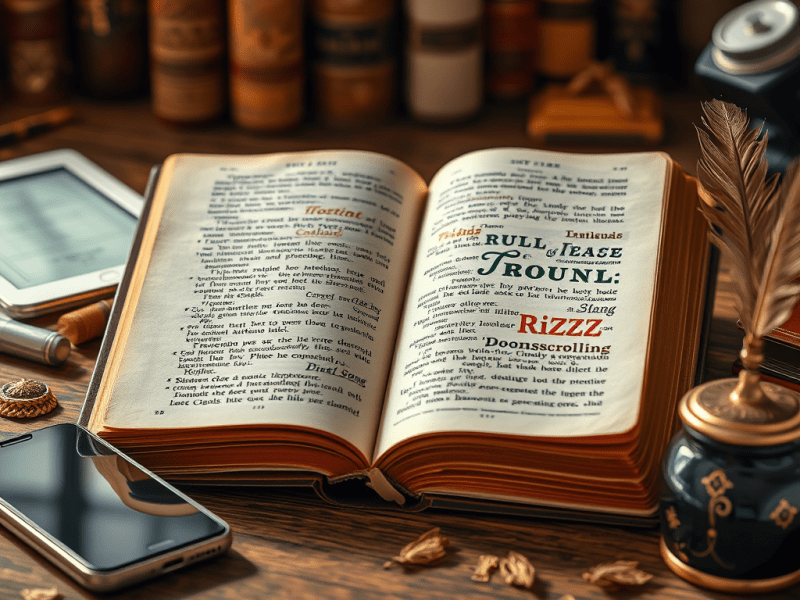
National Dictionary Day: Why October 16th Is Low-Key the Most Underrated Holiday
National Dictionary Day: Why October 16th Is Low-Key the Most Underrated Holiday
Spoiler alert: This isn’t your English teacher’s lecture about looking up words. This is about the absolute chaos, brilliance, and drama hiding in your dictionary app.
October 16th is National Dictionary Day, celebrating the birthday of Noah Webster – the guy who literally created the American dictionary in 1828. But here’s the plot twist: dictionaries are actually wild, constantly evolving, surprisingly controversial, and kind of… rebellious?
Yeah, you read that right. Let’s dive in.
The OG Dictionary Flex: Noah Webster Was a Savage
Noah Webster wasn’t just some bookish dude who liked words. He was on a mission to make American English its own thing, separate from British English. This man woke up and chose linguistic violence.
His boldest moves:
- Changed “colour” to “color” (take that, Britain)
- Switched “centre” to “center”
- Made “gaol” into “jail” (because seriously, who was pronouncing that first one correctly?)
- Spent 27 YEARS writing his dictionary
Imagine spending nearly three decades on one project. That’s dedication, obsession, or both. Webster was basically saying, “We fought a war for independence, now let’s make our spelling independent too.” Absolute legend behavior.
Words That Didn’t Exist When You Were Born
Here’s something that’ll blow your mind: dictionaries add new words constantly. Language is alive, evolving, and reflecting how we actually communicate.
Recent additions that prove dictionaries are cooler than you think:
“Rizz” (2023) – Yeah, your slang made it to the official dictionary. Merriam-Webster added it, defining it as “romantic appeal or charm.” Your great-grandparents’ dictionary didn’t have this. You’re living in historic linguistic times.
“Doomscrolling” (2020) – The act of endlessly scrolling through bad news. We all do it, and now it’s official enough for the dictionary. That’s how fast language adapts to our behavior.
“Stan” (2017) – From an Eminem song to official dictionary status. When you stan something now, you’re using a verified English word.
“Facepalm” (2017) – A gesture became a word. That’s the power of internet culture.
“FOMO” (2016) – Fear of missing out went from text slang to legitimate dictionary entry in less than a decade.
The dictionary isn’t some dusty authority telling you how to speak – it’s actually listening to how YOU speak and adapting.
The Dictionary Wars Are Real (And Petty)
You think there’s one agreed-upon dictionary? Oh, sweet summer child. Oxford, Merriam-Webster, Cambridge, Collins – they’re all competing for word supremacy, and the drama is chef’s kiss.
Case study: The Great Emoji Debate
Oxford Dictionary’s 2015 Word of the Year wasn’t even a word – it was 😂 (Face with Tears of Joy emoji). The internet had a MELTDOWN. Linguists argued. Twitter exploded. People wrote think pieces. All because a dictionary made an emoji official.
The “irregardless” controversy:
Merriam-Webster added “irregardless” to the dictionary, and English teachers everywhere felt personally attacked. The entry literally says it’s “nonstandard” – basically dictionary shade for “people say this, but we’re judging them.” That’s the level of pettiness we’re dealing with.
Words That Sound Fake But Are 100% Real
Pop quiz: Which of these are actual dictionary words?
- Defenestration – The act of throwing someone out a window (yes, this happened enough historically to need its own word)
- Petrichor – The smell of earth after rain (finally, a word for that!)
- Aglet – The plastic tip on your shoelace (your life just changed)
- Snollygoster – A politician who acts purely out of self-interest (still relevant, apparently)
- Callipygian – Having well-shaped buttocks (the dictionary really said “nice butt” in the fanciest way possible)
All real. All in the dictionary. All proof that English is unhinged.
The Dictionary’s Dark Secret: Fake Words
Here’s where it gets spicy. Dictionaries have intentionally included fake words to catch plagiarizers.
The most famous: “Esquivalience”
The New Oxford American Dictionary planted this completely made-up word (supposedly meaning “the willful avoidance of one’s official responsibilities”) as a copyright trap. When dictionary.com copied it without permission, they got BUSTED. It’s like a linguistic sting operation.
Other dictionaries have done similar things – adding fake towns to maps, fictional words to catch copycats. Your dictionary might be gaslighting you with trap entries, and that’s honestly iconic.
Words the Dictionary Refuses to Define
Some words are too powerful, too chaotic, or too regional for official dictionary status… yet.
Words still fighting for legitimacy:
- “Hangry” – Oh wait, Merriam-Webster actually added this in 2018. Never mind, being angry because you’re hungry is now official.
- “Yeet” – Some dictionaries have it, some don’t. The battle continues.
- “Bussin” – Still waiting on official status, but give it time.
The lag between when slang emerges and when it becomes “official” is getting shorter, though. Dictionaries are sprinting to keep up with internet speed communication.
How to Celebrate National Dictionary Day (Without Being Boring)
Level 1: Casual Observer
- Look up the etymology (origin story) of your name. Some of these histories are insane.
- Find the weirdest word you can and use it in conversation today. Bonus points if no one calls you out.
Level 2: Word Enthusiast
- Start a group chat where everyone has to use one obscure dictionary word per day
- Check out what new words were added this year – it’s like a time capsule of culture
- Play dictionary-based games: Balderdash, Scrabble, or even just trying to stump friends with definitions
Level 3: Linguistic Chaos Agent
- Try to get your friend group’s inside joke added to Urban Dictionary (gateway to real dictionaries)
- Learn a word in another language that has no English equivalent (schadenfreude, hygge, etc.)
- Read the dictionary’s “words we’re watching” list – these are words on the verge of official status
Why This Actually Matters
Look, I get it – celebrating a dictionary sounds about as exciting as watching paint dry while reading tax forms. But here’s the real deal:
Language is power. The words available to you shape how you think, how you express yourself, and how you understand the world. Every time a new word gets added, it’s because humans needed a way to describe something that didn’t have a name before. That’s creation. That’s evolution happening in real-time.
Dictionaries document how we communicate, what we value, and how culture shifts. When “they” became an officially accepted singular pronoun, that wasn’t just a grammar update – it was recognition of how people actually identify and exist in the world.
When mental health terms like “gaslighting” entered mainstream dictionaries, it gave people language to describe their experiences. Words validate reality.
The Bottom Line
Noah Webster spent 27 years creating a dictionary because he believed Americans deserved their own linguistic identity. Nearly 200 years later, dictionaries are still evolving, still causing drama, still reflecting who we are as a society.
So on October 16th, pour one out for Noah Webster, appreciate that your texting slang might be tomorrow’s official English, and maybe – just maybe – look up a word you’ve been pretending to understand for years.
Language is alive. Dictionaries are receipts. And you’re part of the story being written right now.
Now if you’ll excuse me, I need to go use “defenestration” in a sentence at least three times today.
What’s your favorite word? The weirdest word you know? Drop it in the comments. Let’s see who can out-obscure each other.
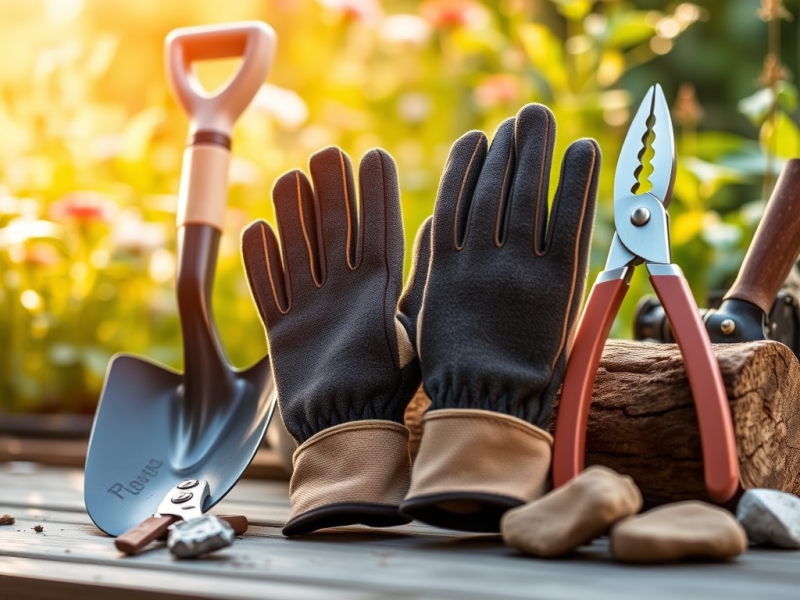
Your Hands Will Thank You: Why Quality Work Gloves Are Actually a Game-Changer
Look, I get it. Work gloves seem like something your dad would get excited about at Home Depot. They’re not exactly the hottest purchase when you’re standing in the aisle trying to figure out which ones to grab for your weekend project.
But here’s the truth bomb: good work gloves are the difference between finishing your outdoor project feeling like a capable human and ending it with shredded hands that hurt every time you open a door for the next week.
The Wake-Up Call
Let me paint you a picture. You decide to build a fire pit in the backyard. Or maybe you’re finally tackling that overgrown garden. Perhaps you volunteered to help a friend move and there’s a lot of wood and metal involved. You think, “Eh, I’ll be fine without gloves. It’s not that serious.”
Fast forward two hours: your hands look like you fought a cheese grater and lost. There’s a splinter the size of a toothpick lodged under your thumbnail. Your palms are covered in blisters. You’ve got a mysterious cut that’s definitely going to leave a scar. And you still have to finish the project because you’re not a quitter.
This is your villain origin story, and it was completely preventable.
What Makes a Glove Actually Good?
Not all work gloves are created equal, and the $3 flimsy ones from the bargain bin are basically just glorified hand decorations. Here’s what separates the real MVPs from the pretenders:
Protection That Actually Protects Quality gloves shield you from the unholy trinity of outdoor work: cuts, punctures, and scrapes. Whether you’re handling rough lumber, wrestling with thorny bushes, or moving rocks that would love nothing more than to take a chunk out of your hand, good gloves create a barrier between you and the chaos.
Grip That Doesn’t Quit Ever tried to hold a shovel with cheap gloves that turn into slip-n-slides the second you break a sweat? Quality gloves have textured palms and fingers that actually grip what you’re holding. You’re not constantly readjusting or white-knuckling every tool like your life depends on it.
Durability Cheap gloves fall apart after one serious project. Quality gloves are your long-term relationship—they stick around, get better with time, and actually save you money because you’re not replacing them every month.
Comfort If your gloves feel like you’re wearing cardboard mittens, you’re going to take them off. And then we’re back to the cheese-grater hands situation. Good gloves fit properly, flex with your hands, and don’t make you feel like you’re wearing oven mitts while trying to pick up a nail.
When You Actually Need Them
Gardening & Landscaping Thorns, splinters, dirt that somehow gets everywhere, and the occasional angry insect. Your hands are ground zero for all of nature’s little surprises. Quality gloves turn gardening from a hand-destroying nightmare into something you might actually enjoy.
Building & Construction Projects Wood, metal, concrete, power tools—basically everything in construction is designed to hurt you if you’re not careful. Gloves are your first line of defense against materials that have zero chill.
Yard Work Raking leaves sounds innocent until you realize you’re getting blisters from a rake handle. Trimming branches? Those sharp ends don’t care about your TikTok scrolling hands. Moving rocks or pavers? Your fingers will appreciate not being crushed.
Automotive Work Car parts are sharp, hot, covered in chemicals, or all three. Plus, oil and grease make everything slippery. Good gloves protect you from cuts while giving you the grip you need.
Outdoor Adventures Setting up camp, gathering firewood, handling rough rope—even recreational outdoor stuff benefits from having gloves handy. Nobody wants to spend their camping trip nursing rope burn.
Types of Gloves for Different Vibes
Leather Work Gloves The classics. Durable, protective, get better with age like a good pair of boots. Great for heavy-duty work, construction, and when you need maximum protection. They’re like the denim jacket of work gloves—timeless and reliable.
Synthetic/Rubber-Coated Gloves Flexible, great grip, usually more affordable. Perfect for general yard work, gardening, and projects where you need dexterity. These are your everyday workhorse gloves.
Nitrile-Coated Gloves Chemical-resistant and great for automotive work or anything involving liquids you don’t want touching your skin. They’re like a force field for your hands.
Cut-Resistant Gloves For when you’re working with really sharp stuff or power tools. They have special fibers that resist cuts. Think of them as armor for your hands.
Gardening Gloves Usually lighter weight with extra protection at the fingertips and palms. Some even have long cuffs to protect your wrists from thorns and scratches. Your flower-planting, weed-pulling, mulch-spreading best friend.
The Real Cost Breakdown
Here’s the math that matters:
Cheap gloves: $3-5, last maybe 2-3 projects, feel terrible, provide minimal protection Annual cost if you do projects regularly: $30-50+
Quality gloves: $15-30, last for years, actually protect you, comfortable enough to wear all day Annual cost: $15-30 (one-time purchase that lasts)
Plus, what’s the cost of medical attention for a nasty cut or infected splinter? Or the productivity you lose when your hands hurt too much to text, game, or do literally anything for days?
Quality gloves aren’t an expense—they’re an investment in not hating your life.
Pro Tips for Maximum Hand Protection
Size Actually Matters Gloves that are too big will bunch up and slip off. Too small and they’ll restrict movement and probably rip. Try them on if you can, or check the sizing chart. Your hands deserve a proper fit.
Break Them In New leather gloves can be stiff. Wear them around for a bit before your big project. Flex your hands, make fists, get them molded to your movement. They’ll perform better and feel more comfortable.
Keep Them Dry Wet gloves = sad, useless gloves. If they get soaked, let them air dry completely. Bacteria and funk love moisture, and nobody wants to put on damp gloves that smell like a gym locker.
Have Backups One pair for heavy construction, one for gardening, maybe one for general use. You don’t wear the same shoes for every activity—same logic applies to gloves.
Know When to Replace Them Holes, tears, worn-through palms—these are signs your gloves have served their time. Don’t try to squeeze one more project out of gloves that are literally falling apart.
The Bottom Line
You’ve got projects to finish, outdoor work to tackle, and things to build. Your hands are literally your primary tools for making things happen. Protecting them isn’t being soft or over-prepared—it’s being smart.
Quality work gloves are one of those purchases that seem boring until you actually need them, and then you can’t believe you ever went without. They’re right up there with a good headlamp, a decent multi-tool, and waterproof boots on the list of “things that make outdoor work way less miserable.”
So next time you’re gearing up for a project, skip the bottom-shelf gloves that’ll disintegrate after one use. Invest in a pair that’ll actually protect your hands and last. Your future self—the one who can still text, game, and high-five without wincing—will be incredibly grateful.
Now get out there and build something cool. Just do it with your hands properly protected, yeah?
What’s the gnarliest hand injury you’ve gotten from outdoor work? Drop your horror stories in the comments and let’s all learn from each other’s mistakes.
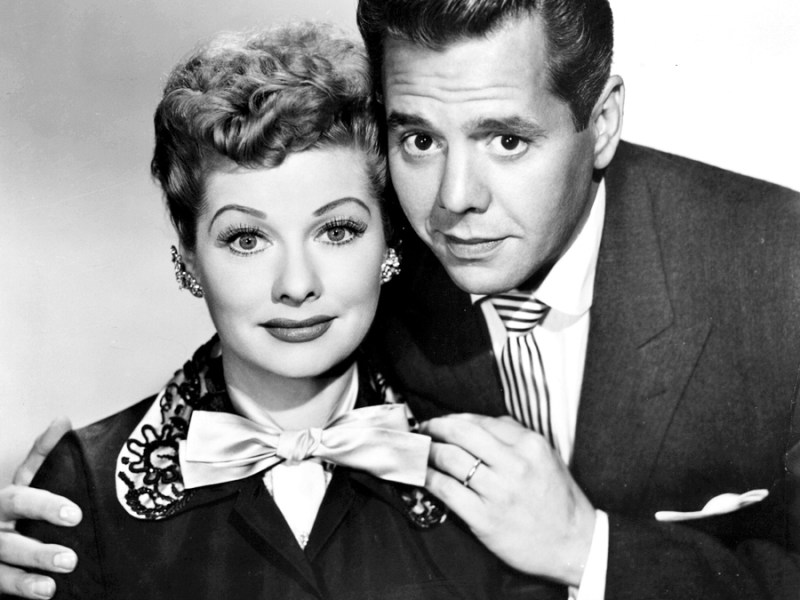
National I Love Lucy Day: Why This 1950s Sitcom Still Cracks Us Up
October 15th isn’t just another Wednesday—it’s National I Love Lucy Day, and yes, that’s a real thing.
Now, before you roll your eyes and think “why should I care about a black-and-white show from the 1950s,” hear me out. I Love Lucy isn’t just some dusty relic your grandparents watched. It’s the show that basically invented the sitcom as we know it, and it’s still funnier than half the stuff on Netflix right now.
The Lucy Effect: How One Redhead Changed Television Forever
Let’s set the scene: It’s 1951. Television is still figuring itself out. Most shows are boring live broadcasts with zero rewatchability. Then along comes Lucille Ball—a 40-year-old actress who Hollywood had written off—and she absolutely demolishes every rule in the book.
I Love Lucy premiered on October 15, 1951, and immediately became a cultural phenomenon. We’re talking 44 million viewers for the episode where Lucy gives birth—in 1953, when the entire U.S. population was only 160 million. That’s like if a show today pulled 92 million viewers for a single episode. More people watched Lucy have a baby than watched the presidential inauguration that year.
Let that sink in.
Why It Actually Slaps
The Physical Comedy Is Unhinged Lucy wasn’t doing polite, sit-in-a-chair comedy. She was stuffing chocolates in her mouth on an assembly line, stomping grapes in Italy until she got into a full-on wrestling match, accidentally getting drunk on health tonic, and setting herself on fire more than once. The woman committed to the bit hard.
Watching Lucy Ricardo navigate life is like watching controlled chaos. Every episode is basically asking “how badly can one person mess up a simple task?” and the answer is always “spectacularly.”
The Chemistry Was Real (Literally) Here’s something wild: Lucy and Ricky Ricardo were played by real-life married couple Lucille Ball and Desi Arnaz. Their on-screen dynamic—the bickering, the scheming, the making up—had genuine chemistry because they were actually partners navigating showbiz together.
Desi wasn’t just the handsome Cuban bandleader. He was a brilliant producer who invented techniques we still use today. That rapport you see on screen? That’s what happens when two talented people are genuinely vibing.
It Was Secretly Revolutionary On the surface, I Love Lucy looks like a traditional 1950s show about a housewife who wants to break into showbiz. But look closer and you’ll see Lucy was quietly breaking barriers:
- She was a woman in her 40s playing the lead role (unheard of)
- Her husband was Cuban, and the show didn’t erase his heritage
- Lucy was pregnant on TV when networks thought that was “too controversial”
- She ran her own production company (Desilu) and became one of the most powerful people in Hollywood
- The show pioneered the three-camera setup and filmed in front of a live audience—literally inventing the modern sitcom format
Lucy wanted creative control in an era when women were told to sit down and look pretty. Instead, she built an empire.
Iconic Episodes You Need to See
Even if you’ve never watched the show, you’ve probably seen GIFs or references to these legendary moments:
“Job Switching” (The Chocolate Factory) Lucy and her best friend Ethel get jobs at a chocolate factory. The conveyor belt moves too fast. Chaos ensues. Chocolates get shoved everywhere—mouths, shirts, hats. It’s physical comedy gold and has been parodied approximately one million times.
“Lucy Does a TV Commercial” (Vitameatavegamin) Lucy gets progressively drunk while filming a commercial for health tonic that’s 23% alcohol. Her increasing intoxication and the phrase “Do you pop out at parties? Are you unpoopular?” are comedy perfection.
“Lucy’s Italian Movie” (Grape Stomping) Lucy wants to be in a movie about Italian grape harvesting, so naturally she goes to practice stomping grapes. She ends up in a full wrestling match with an Italian woman in a vat of grapes. It’s absurd, it’s violent, it’s somehow elegant.
“L.A. at Last” (Meeting William Holden) Lucy tries so hard to play it cool meeting a famous actor that she ends up accidentally setting her fake nose on fire. The comedic timing is chef’s kiss.
The Meme Potential Is Off the Charts
Seriously, Lucy’s facial expressions alone are a goldmine. That wide-eyed panic when she realizes her scheme is falling apart? The guilty look when she’s caught? The determined face when she’s about to do something absolutely unhinged?
These are the same expressions you make when:
- Your DoorDash is arriving but your room is a disaster
- You’re telling a story and realize you’ve forgotten the point
- You’re trying something you saw on TikTok and it’s going very wrong
- Someone asks if you did the thing you definitely didn’t do
Lucy Ricardo is the patron saint of “I’m in too deep now, might as well commit.”
What We Can Learn From Lucy in 2025
Commit to the Bit When Lucy did something, she did it 100%. Half the humor came from watching her fully commit to increasingly ridiculous situations. There’s something admirable about that level of dedication to chaos.
It’s Okay to Fail Spectacularly Lucy’s schemes almost never worked out the way she planned. She got into messes, looked ridiculous, and somehow always bounced back. The show was basically saying “you’re going to mess up, and that’s hilarious and human and totally fine.”
Know Your Worth Lucille Ball fought for creative control, demanded to work with her husband when networks said no, and refused to compromise her vision. She knew what she brought to the table and wasn’t afraid to advocate for herself.
Timing Is Everything Whether it’s comedy or life, Lucy understood that timing matters. The pause before the punchline. The perfectly timed double-take. The slow realization that everything has gone wrong. That’s an art form.
How to Celebrate National I Love Lucy Day
Stream Some Episodes The entire series is available on Paramount+, and honestly, it holds up. Start with the iconic episodes mentioned above. Watch Lucy’s facial expressions. Appreciate the physical comedy. Marvel at how funny it still is.
Have a Watch Party Grab some friends who appreciate quality comedy. Make it retro—maybe even watch in black and white. Bonus points if you serve 1950s snacks. (Pro tip: everything tastes better when you’re laughing.)
Learn the Vitameatavegamin Commercial “Do you poop out at parties?” It’s a tongue-twister, it’s ridiculous, and memorizing it is a rite of passage for comedy nerds.
Appreciate the Innovation Take a second to realize that the multi-camera sitcom format used by everything from Friends to The Big Bang Theory to Abbott Elementary exists because Desi Arnaz invented it for this show. The DNA of modern comedy is literally in I Love Lucy.
Follow Some Lucy Fan Accounts The memes are excellent, the behind-the-scenes facts are fascinating, and the GIFs are endless. Plus, it’s fun to see how a 70-year-old show keeps finding new audiences.
Why It Still Matters
In an era of prestige TV and streaming overload, there’s something refreshing about a show that just wants to make you laugh. No complicated plot twists. No gritty reboot. Just a talented comedian doing what she does best: creating chaos and comedy gold.
I Love Lucy reminds us that comedy doesn’t have an expiration date. Funny is funny, whether it’s 1951 or 2025. A perfectly timed pratfall, an expressive face, a ridiculous situation taken to its logical extreme—these things transcend generations.
Plus, in a world that can feel pretty heavy sometimes, watching Lucy Ricardo try to sneak into Ricky’s show disguised as a clown or explain why there’s a freezer full of meat in the living room is just… pure escapism. And sometimes that’s exactly what you need.
The Legacy
Lucille Ball paved the way for every female comedian who came after her. Tina Fey, Amy Poehler, Melissa McCarthy, Carol Burnett—they all stand on Lucy’s shoulders. She proved that women could be funny, messy, physical, and in charge.
She also proved that you could be in your 40s and still be the star. That you could be married and still be interesting. That you could be successful and ambitious and silly and vulnerable all at once.
That’s not just good TV. That’s revolutionary.
So on October 15th, take a moment to appreciate the redheaded chaos agent who changed television forever. Maybe watch an episode. Maybe just acknowledge that without Lucy Ricardo, we wouldn’t have half the sitcoms we love today.
And if you find yourself trying something ambitious that goes hilariously wrong? Just channel your inner Lucy, own the chaos, and remember: at least you’re not stuck on a runaway conveyor belt shoving chocolates down your shirt.
“I Love Lucy” fans: what’s your favorite episode? And have you successfully convinced anyone under 30 to watch it? Drop your Lucy stories in the comments—we need more people appreciating this icon.
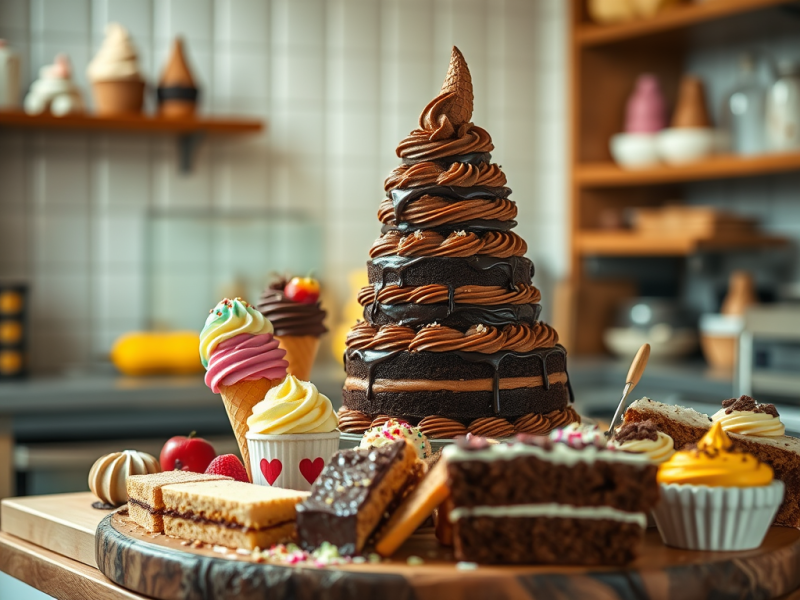
National Dessert Day: Your Official Permission Slip to Eat Cake for Breakfast
Mark your calendars, sweet tooths of the world: October 14th is National Dessert Day.
That’s right—there’s an entire day dedicated to the best part of any meal, and honestly, we should all be taking this way more seriously than we do.
Why Dessert Deserves Its Own Holiday
Let’s be real: dessert is the main character. It’s the reason you power through that mediocre salad. It’s the light at the end of the tunnel when you’re stuck in back-to-back meetings. It’s the ultimate comfort food, celebration centerpiece, and “treat yourself” moment all rolled into one delicious package.
And yet, dessert gets a bad rap. People act like wanting a slice of chocolate cake makes you some kind of hedonist. We’re told to “save room” for dessert like it’s an afterthought instead of the grand finale it deserves to be.
Well, not on October 14th. On National Dessert Day, dessert takes center stage, judgment-free.
A Brief History Lesson (Don’t Worry, It’s Sweet)
The word “dessert” comes from the French word desservir, which means “to clear the table.” Basically, it’s the victory lap of dining. Ancient civilizations were already onto something good—Egyptians enjoyed honey-sweetened cakes, Romans had their custards and pastries, and medieval Europeans were going hard on fruit tarts and sweetmeats.
Fast forward to today, and we’ve got an embarrassment of riches: towering layer cakes, artisanal ice cream flavors that sound like indie band names, molecular gastronomy desserts that look like science experiments (in the best way), and everything in between.
How to Celebrate Like a Champion
Option 1: Go All Out Hit up that bakery you’ve been eyeing on Instagram. You know the one—with the croissants that look like they were handcrafted by angels and the cakes that are almost too pretty to eat. (Almost.) Order the most extra thing on the menu. Get it in multiple flavors. Live your best life.
Option 2: DIY It Pull up TikTok or YouTube and find a recipe that speaks to your soul. Maybe it’s those viral baked oats that taste like cookie dough. Maybe it’s a no-bake cheesecake because you respect your time. Maybe it’s a full-on three-layer cake because you’re feeling ambitious. The kitchen is your playground today.
Option 3: The Sampler Method Why choose one dessert when you can have five? Create your own dessert charcuterie board. Hit up multiple spots. Get a scoop of ice cream here, a cookie there, maybe a slice of pie for good measure. Variety is the spice of life, and on October 14th, that variety should be sugar-based.
Option 4: Breakfast Dessert (Yes, Really) Who made the rule that dessert comes after dinner? Not on National Dessert Day. Pancakes with whipped cream and berries. French toast with ice cream. That leftover birthday cake in your fridge. It’s all fair game before noon.
The Ultimate Dessert Power Rankings
Everyone has opinions, but here are some objective truths (okay, subjective, but I’ll die on these hills):
S-Tier: Warm chocolate chip cookies, quality tiramisu, anything involving salted caramel, fresh fruit tarts from actual bakeries, properly made crème brûlée with that satisfying crack
A-Tier: Cheesecake (all varieties), brownies (especially the fudgy ones), ice cream sundaes with the works, churros with chocolate sauce, lemon bars that make your face scrunch up in the best way
B-Tier: Cupcakes (when they’re good, they’re great; when they’re bad, they’re just disappointing), mousse, bread pudding, panna cotta, most grocery store cakes (we’ve all been there)
Controversial Take Tier: Black licorice anything (either you’re obsessed or you think it tastes like punishment), fruitcake (has a bad reputation but some versions actually slap), anything with fondant (pretty but does it taste good?)
Desserts Around the World Worth Trying
If you really want to celebrate, go international:
Japan: Mochi ice cream, fluffy Japanese cheesecake, or matcha anything France: Macarons, éclairs, or a proper tarte tatin Italy: Gelato (superior to regular ice cream, fight me), cannoli, or panna cotta Middle East: Baklava, kunafa, or halva Mexico: Tres leches cake, churros, or flan India: Gulab jamun, rasmalai, or kulfi USA: Apple pie, New York cheesecake, or basically any regional specialty that involves sugar
The Philosophy of Dessert
Here’s the thing: life is short, and it’s also kind of hard sometimes. Work is stressful. School is exhausting. The world is… a lot. So if a piece of cake or a scoop of ice cream brings you a moment of genuine joy, that matters.
National Dessert Day isn’t just about the food (though the food is pretty great). It’s about giving yourself permission to enjoy something purely for pleasure. It’s about sharing something sweet with people you care about. It’s about that little dopamine hit when you take the first bite of something absolutely delicious.
No Guilt, Just Vibes
Can we please retire the phrases “guilty pleasure” and “cheat day” when it comes to dessert? You’re not committing a crime by eating a brownie. You’re not cheating on anything. You’re literally just… eating food you enjoy. Revolutionary concept, I know.
Balance is important, sure. But balance also means not treating yourself like a villain every time you want something sweet. One day of dessert celebration isn’t going to derail anything. And honestly? Enjoying your food without shame is actually the healthiest mindset.
Make It Count
So here’s your assignment for October 14th: eat a dessert that makes you genuinely happy. Not something you feel like you “should” eat. Not something you’re only having because it’s “healthy.” Something that tastes absolutely incredible and makes you do that little happy dance in your seat.
Take a picture for the ‘gram if you want. Share it with friends. Eat it alone while watching your favorite show. However you choose to celebrate, just make sure you actually enjoy it.
Because National Dessert Day comes once a year, but the philosophy behind it—treating yourself with kindness and allowing yourself moments of pure enjoyment—that’s something we could all use a little more of, every single day.
Now if you’ll excuse me, I have some very important plans with a slice of chocolate cake that’s been calling my name.
What’s your go-to dessert? Drop your favorites in the comments and let’s settle the age-old debate: cake or pie? (Hint: the correct answer is both.)

Columbus Day 2025: Why This Holiday Is More Complicated Than You Think
Columbus Day 2024: Why This Holiday Is More Complicated Than You Think
October 13th is a day that means very different things to different people—and that’s exactly why we need to talk about it.
Here’s the thing about Columbus Day: It’s probably the most debated holiday on the American calendar right now. Some people see it as a celebration of Italian-American heritage and exploration. Others see it as a painful reminder of colonization and the devastation of Indigenous peoples. And increasingly, many communities are replacing it entirely with Indigenous Peoples’ Day.
So what’s the deal? Why does this holiday exist? Why is it controversial? And what does it actually mean in 2024?
Let’s unpack this—because understanding complicated history is how we move forward as a society.
The Origin Story (The One You Learned in Elementary School)
Most of us grew up with a pretty simple narrative: Christopher Columbus sailed across the Atlantic in 1492, “discovered” America, and proved the world wasn’t flat. We learned the little rhyme, colored in pictures of the Niña, Pinta, and Santa María, and moved on.
Columbus Day became a federal holiday in 1937, largely due to advocacy from Italian-American communities who wanted recognition and representation during a time when they faced significant discrimination in the United States. For them, Columbus represented pride, courage, and the contributions of Italian immigrants to American society.
That part is real and matters.
But here’s what the elementary school version often left out: Columbus didn’t “discover” anything. There were already millions of people living here—Indigenous nations with rich cultures, complex societies, and thousands of years of history. And Columbus’s arrival marked the beginning of catastrophic consequences for those populations.
The Reality Check We All Need
Let’s talk facts, because this conversation requires honesty:
What Actually Happened
When Columbus landed in the Caribbean (not North America, by the way—he never set foot on the continental United States), he encountered the Taíno people. Historical records, including Columbus’s own journals, document violence, enslavement, and exploitation of Indigenous peoples under his governance.
The arrival of Europeans brought diseases that decimated Indigenous populations who had no immunity. It sparked centuries of colonization, forced displacement, cultural erasure, and broken treaties. Entire civilizations were destroyed.
This isn’t a fringe perspective or “woke” revisionism. This is documented history that scholars have known for decades—it’s just not what made it into our textbooks.
The Italian-American Experience
At the same time, we can’t ignore why Columbus Day became important to Italian-Americans. In the late 1800s and early 1900s, Italian immigrants faced intense prejudice, discrimination, and even violence. They were considered “non-white” by many and excluded from mainstream American society.
Claiming Columbus as a symbol was a way to assert their legitimacy and contributions to American identity. That struggle was real. That pain was real. And for many Italian-Americans, Columbus Day represents resilience and heritage—not endorsement of atrocities.
Both of these truths exist simultaneously. And that’s where it gets complicated.
Why This Still Matters Today
You might be thinking, “This all happened over 500 years ago. Why are we still arguing about it?”
Because history isn’t just about the past—it shapes our present.
For Indigenous Communities
Indigenous peoples are still here. This isn’t ancient history for them—it’s their lived reality. Native Americans face some of the highest rates of poverty, health disparities, and violence of any group in America. Reservations often lack basic infrastructure. Missing and murdered Indigenous women rarely make headlines. Treaties continue to be violated.
When Indigenous people see Columbus celebrated, they see someone whose legacy directly contributed to their ancestors’ suffering being honored—while their own ongoing struggles are largely ignored.
That’s not abstract. That’s personal.
For Italian-Americans
Many Italian-Americans feel caught in the middle. They don’t want to celebrate atrocities, but they also don’t want to lose one of the few holidays that recognized their community’s place in American society.
The criticism of Columbus can feel like criticism of Italian heritage itself—even though that’s not the intent. It’s complicated when a symbol of your family’s pride becomes culturally contentious.
For All of Us
This debate is actually about something bigger: How do we reckon with complicated history? Can we honor heritage while acknowledging harm? Is it possible to hold multiple truths at once?
These questions matter because America’s history is full of contradictions. Founding fathers who wrote about freedom while owning slaves. Progress built on exploitation. Heroes who were also deeply flawed humans.
Learning to navigate that complexity—without erasing history or defending the indefensible—is crucial for moving forward as a diverse society.
The Indigenous Peoples’ Day Movement
Since 1992 (the 500th anniversary of Columbus’s voyage), a growing number of cities and states have adopted Indigenous Peoples’ Day as an alternative or replacement for Columbus Day.
The idea is simple: Instead of celebrating a colonial figure, use this day to honor the resilience, cultures, and contributions of Indigenous peoples—past and present.
As of 2024, numerous states and over 100 cities observe Indigenous Peoples’ Day. President Biden became the first sitting president to formally recognize it in 2021.
What This Day Could Mean:
- Learning about the Indigenous nations that originally inhabited your area
- Supporting Native-owned businesses and artists
- Educating yourself about current issues facing Indigenous communities
- Recognizing that Indigenous peoples aren’t historical footnotes—they’re living, thriving communities
This isn’t about erasing Italian-American heritage. Many places that observe Indigenous Peoples’ Day also have separate Italian Heritage celebrations that don’t center on Columbus specifically.
Five Ways to Engage With This Day Meaningfully
Whether your community calls it Columbus Day, Indigenous Peoples’ Day, or both, here’s how you can use October 13th productively:
1. Get Educated
Read books by Indigenous authors. Listen to Indigenous voices on social media. Learn about the specific tribes whose land you’re living on (use resources like native-land.ca).
Understanding nuanced history makes you a more informed citizen—and that’s never a bad thing.
2. Support Indigenous Communities
Buy from Native-owned businesses. Donate to organizations working on Indigenous issues. Amplify Native voices and causes.
Money and advocacy create real change.
3. Have the Uncomfortable Conversations
Talk with your family, friends, and community about what this day means. Listen to perspectives different from your own. Practice holding complexity without needing immediate resolution.
Growth happens in discomfort.
4. Celebrate Heritage Without Centering Columbus
If you’re Italian-American and want to honor your heritage, there are countless Italian figures worth celebrating: Galileo, Leonardo da Vinci, Maria Montessori, Enrico Fermi, and contemporary Italian-Americans making incredible contributions today.
Your heritage is rich—it’s not dependent on one controversial historical figure.
5. Advocate for Better Education
Push for schools to teach complete, accurate history—not sanitized versions. Support curriculum that includes Indigenous perspectives and contributions.
The next generation deserves to learn complex truth from the start.
The Bottom Line
Columbus Day isn’t simple, and anyone who tells you it is—from either side—isn’t being honest.
We can acknowledge that Columbus’s voyages were historically significant while also recognizing the devastating impact on Indigenous peoples. We can respect Italian-American heritage while understanding why Columbus is a painful symbol for Native communities. We can learn from the past without defending it.
This isn’t about canceling history or picking sides. It’s about growing up as a society—learning to hold nuance, honor multiple experiences, and make space for truth even when it’s uncomfortable.
October 13th can be a day of reflection, education, and bridge-building. It can be an opportunity to learn something new, challenge assumptions, and practice empathy.
But only if we’re willing to engage with the full story—not just the parts that make us comfortable.
What does October 13th mean to you? How do you think we should observe this day? Let’s have a respectful conversation in the comments.

The Art of Unplugging: Why “You and Me Time” Is the Most Radical Thing You Can Do
In a world that never stops buzzing, the most rebellious act might just be… slowing down.
There’s this moment in life—maybe you’ve felt it—where everything is moving at maximum speed. Your phone is blowing up. Your calendar is packed. Your brain is juggling seventeen different tabs like some kind of mental browser that refuses to crash even though it definitely should.
And then something happens. Maybe it’s a song that hits different. Maybe it’s a person who makes the chaos feel optional. Maybe it’s just exhaustion finally winning the argument with your FOMO.
Whatever it is, you suddenly realize: What if I just… didn’t?
What if, instead of grinding and hustling and optimizing every second, you just carved out space for the people and moments that actually matter?
That’s the vibe we’re talking about today. That pull toward simplicity. That hunger for genuine connection. That radical idea that maybe—just maybe—the best moments in life happen when we stop performing and start being present.
The Pandemic We’re Not Talking About
Let’s get uncomfortable for a second: We’re experiencing an epidemic of loneliness and disconnection, and we’re doing it while more “connected” than ever.
Studies show that despite having hundreds of online friends and followers, people report feeling more isolated than previous generations. We’re liking each other’s posts but not looking each other in the eye. We’re messaging but not meaning it. We’re present in body but our minds are somewhere in the digital stratosphere.
Teens are reporting record levels of anxiety and depression. Adults are burning out at unprecedented rates. And somewhere in the middle of all this productivity and performance, we forgot how to just… be with each other.
No agenda. No content creation. No documenting for the ‘gram.
Just genuine, undistracted, “you and me” time.
What We’re Actually Craving
Here’s what’s wild: We all know what we’re missing, but we’ve convinced ourselves we don’t have time for it.
Real Conversation
Not the “how are you / fine / cool” surface-level exchange. I’m talking about the kind of conversation where you lose track of time. Where you say things you didn’t know you were thinking. Where someone really sees you and you really see them back.
When’s the last time you had one of those? Not last month or last week—when’s the last time someone had your full, undivided, phone-in-another-room attention?
Unscheduled Joy
Remember when you used to do things just because they sounded fun? Not because they’d look good on a resume or make for good content, but just because?
Driving with no destination. Cooking something together and making a mess. Sitting on a porch or a roof or a random park bench and talking until the streetlights come on.
That stuff didn’t used to need to be on the calendar between “dentist appointment” and “gym.” It just… happened.
Permission to Be Imperfect
There’s something deeply healing about being around someone who doesn’t need you to be “on.” Someone who sees you in your sweatpants, with your guard down, having a mediocre day, and stays anyway.
Not every moment needs to be peak experience. Sometimes the best moments are aggressively ordinary—and that’s exactly what makes them beautiful.
The Subtle Art of Doing Nothing (With Someone)
This isn’t about grand gestures or expensive dates. This is about reclaiming the small, quiet moments that actually build relationships.
The Drive
Just get in the car. Pick someone. Go somewhere—or don’t even have a destination. Play music you both love. Sing badly. Talk about everything or nothing. The windshield becomes this safe space where conversations flow differently than they do face-to-face.
Some of the most important conversations of your life will happen in cars. Don’t rush them.
The Walk
Walking side-by-side has this magical quality where you can talk about deep stuff without the intensity of constant eye contact. It’s vulnerable but not overwhelming.
No fitness tracker. No step goals. Just movement and conversation and fresh air doing its therapy thing.
The Cooking Together Experience
Cooking with someone you care about is underrated intimacy. You’re creating something together. You’re figuring things out. You’re laughing when stuff goes wrong. You’re feeding each other.
It doesn’t matter if you’re making gourmet meals or just trying not to burn grilled cheese. It’s not about the food—it’s about the collaboration.
The Intentional Nothing
Sometimes the most meaningful thing you can do is absolutely nothing—together. Sitting on a couch, lying in the grass, perching on a tailgate watching the sunset.
No scrolling. No multitasking. Just existing in the same space, sharing the same moment.
Our productivity-obsessed culture will tell you this is wasted time. It’s not. It’s the fertilizer that makes everything else in life grow.
How to Actually Make This Happen
Because let’s be honest—reading about this is easy. Actually doing it? That’s where we all struggle.
Set the Boundary
Tell the people you love: “Hey, I want to spend actual time with you. No phones, no distractions, just us.”
Yeah, it might feel awkward to say out loud. Do it anyway. Most people are craving the same thing but are too scared to ask for it.
Start Small
You don’t need to plan an elaborate day. Start with an hour. A meal. A drive to get coffee. The point isn’t duration—it’s quality of presence.
Protect It Fiercely
Everything will try to intrude on this time. Notifications, obligations, that voice in your head saying you should be doing something more productive.
Ignore all of it. This time is just as important as any meeting on your calendar. Actually, it’s more important—you just don’t realize it yet.
Notice the Difference
Pay attention to how you feel after spending undistracted time with someone you care about. Compare that to how you feel after scrolling for an hour or grinding through another task.
Your body knows what it needs. Start listening.
The Ripple Effect
Here’s what happens when you start prioritizing real connection:
You remember who you actually are underneath all the performance and pressure. You build relationships that can weather hard seasons. You create memories that actually stick—not because you photographed them, but because you lived them fully.
You become the person people feel safe around. The friend who actually listens. The partner who’s actually present. The family member who shows up—really shows up.
And in a world that’s increasingly virtual, distracted, and disconnected, that makes you rare. Valuable. Real.
The Challenge
This week, block off two hours. Just two. Pick someone who matters to you and do something together with zero digital interference.
No phones except for navigation or emergencies. No checking messages “real quick.” No splitting your attention.
Just you, them, and whatever unfolds.
It might feel weird at first. We’ve forgotten how to just be with people. That’s okay. Push through the initial discomfort.
Because on the other side of that awkwardness is connection. Real, deep, life-giving connection.
The kind that reminds you what you’re actually living for.
Who are you going to call? What are you going to do? Tell us in the comments—or better yet, log off and go do it right now.
The world can wait. This can’t.

Why National Farmer’s Day Matters More Than You Think
October 12th isn’t just another day on the calendar—it’s the day we celebrate the people who literally keep us alive.
Let’s be real: When was the last time you thought about where your food actually comes from?
If you’re like most people, your answer involves a grocery store, a drive-thru window, or that magical app that delivers whatever you’re craving to your doorstep in thirty minutes. We’ve become so disconnected from our food sources that it’s easy to forget there are actual humans—farmers—working brutal hours in all kinds of weather to make sure we have something to eat.
National Farmer’s Day on October 12th is our annual reminder to pause, recognize, and appreciate the people who feed not just America, but much of the world. And trust me, they deserve way more credit than they’re getting.
The Reality Check We All Need
Here’s a stat that should wake us up: Farmers make up less than 2% of the U.S. population, yet they feed the other 98%—plus millions more around the globe.
Think about that. One farmer today feeds approximately 165 people. Your breakfast, lunch, dinner, and those late-night snacks? All made possible by a tiny fraction of the population working jobs most of us couldn’t last a week doing.
And it’s not getting easier. The average age of American farmers is now nearly 60 years old. Young people aren’t exactly lining up to take over family farms, which means we’re facing a potential crisis in who’s going to grow our food in the coming decades.
This isn’t some distant problem. This is about whether your kids will have access to affordable, quality food.
What Farmers Are Actually Dealing With
Let’s talk about what modern farming looks like, because it’s nothing like the pastoral Instagram aesthetic we imagine.
The Financial Tightrope
Farming is one of the few businesses where you have almost no control over your income. Crop prices fluctuate based on global markets. Weather can wipe out a year’s income in a single afternoon. Equipment costs hundreds of thousands of dollars. Land prices are skyrocketing. And profit margins? Often razor-thin or nonexistent.
Many farmers work second jobs just to keep their farms afloat. They’re not driving luxury cars or taking lavish vacations—they’re reinvesting everything back into their land, their equipment, and their animals.
The Physical Toll
Farming is ranked as one of the most dangerous occupations in America. We’re talking heavy machinery, unpredictable animals, extreme weather conditions, and physical labor that would put most gym workouts to shame.
Farmers don’t get weekends off. Cows need milking every single day. Crops don’t care that it’s your birthday. During harvest season, 16-hour days are the norm, not the exception.
The Mental Health Crisis
Here’s something that doesn’t get talked about enough: farmers have some of the highest rates of stress, anxiety, and depression of any profession. The financial uncertainty, social isolation, and pressure of literally feeding communities weighs heavy. And yet, they keep showing up.
Why This Matters to YOU
“Okay,” you might be thinking, “but I live in the city. How does this affect me?”
In every possible way.
Food Security Is National Security
When farms fail, food prices skyrocket. We saw this during the pandemic when supply chains got disrupted. Remember empty grocery shelves? That wasn’t a supply problem—it was a reminder of how fragile our food system actually is.
Supporting farmers means ensuring that you’ll have consistent access to affordable food. Period.
Local Economies Thrive or Die With Farms
For every dollar spent on local farms, multiple dollars circulate through local communities. Farmers buy equipment from local dealers, hire local workers, and shop at local businesses. When farms disappear, rural communities hollow out. And that affects housing markets, job availability, and economic health everywhere.
Environmental Stewardship
Contrary to some narratives, most farmers are incredible environmentalists—their livelihoods literally depend on healthy soil, clean water, and sustainable practices. Many are pioneers in conservation, regenerative agriculture, and renewable energy. They’re not the problem; they’re often leading the solution.
Food Quality and Safety
The closer you are to your food source, the more control you have over what you’re eating. Local farmers often use fewer chemicals, provide fresher products, and offer transparency that you’ll never get from industrial food systems.
Five Real Ways to Support Farmers (That Actually Make a Difference)
1. Shop at Farmers Markets
Yeah, it’s a bit more effort than hitting Target, but farmers markets give 100% of your money directly to the people growing your food. No middlemen, no corporate markup. Plus, the food is fresher, often tastes better, and you can actually talk to the person who grew it.
Pro tip: Go near closing time and you can often snag deals as farmers would rather sell products than haul them back.
2. Join a CSA (Community Supported Agriculture)
This is basically a subscription box, but for fresh produce from local farms. You pay upfront for a season’s worth of harvests, which gives farmers capital when they need it most, and you get regular deliveries of whatever’s in season. It’s a win-win.
3. Choose Local When You Can
Not everything needs to be local (nobody’s growing coffee beans in Wisconsin), but when you’re buying meat, dairy, produce, or eggs, check the label. Many grocery stores now clearly mark local products. Buying local keeps your money in your community and reduces the environmental impact of shipping food across the country.
4. Reduce Food Waste
Americans waste roughly 40% of the food we produce. Let that sink in. Farmers worked their tails off to grow that food, and we’re just… throwing it away.
Plan your meals, use your leftovers, compost what you can’t eat. Respecting food is respecting the farmer who produced it.
5. Learn and Share Their Stories
Follow some farmers on social media. Watch documentaries about modern agriculture. Visit a working farm if you get the chance. Then talk about it. Share what you learn. The more people understand what farming actually involves, the more support farmers will get at policy and community levels.
The Bottom Line
National Farmer’s Day isn’t about sentimentality or nostalgia for some imagined simpler time. It’s about recognizing that the people who feed us are facing real challenges, and they need our support—not just our thanks.
Every single meal you eat connects you to a farmer somewhere. That’s not a metaphor. That’s a fact.
So on October 12th (and honestly, every day after), take a moment to appreciate the people who make your life possible. Then take it a step further and actually support them with your choices and your voice.
Because here’s the truth: We all eat. That makes agriculture everyone’s concern.
What’s one way you’ll support farmers this week? Let’s hear it in the comments.
National Chess Day: The Original Strategy Game That’s Still Undefeated
National Chess Day: The Original Strategy Game That’s Still Undefeated
October 11th is National Chess Day—and before you roll your eyes and think “that’s for old guys in parks,” hear me out.
As someone who’s spent thousands of hours gaming (yes, I have opinions about the latest RPG releases) and equally as many hours helping people navigate their mental health, I can tell you this: chess is the OG mind game that hits different.
It’s like Dark Souls met therapy and they had a baby on a checkered board.
Why Chess Slaps (And I’m Not Just Saying That)
Look, I love a good video game boss fight as much as the next person. But chess? Chess is the ultimate PvP experience that’s been running for over 1,500 years without a single patch or DLC.
Here’s what makes it special:
It’s Pure Strategy, Zero RNG: No lucky crits. No random loot drops. No “the algorithm decided you lose today.” Just you, your opponent, and whoever makes better decisions. It’s brutally fair in a way that most games aren’t.
Every Game is Different: There are more possible chess games than atoms in the observable universe. Read that again. You could play every single day for the rest of your life and never play the same game twice.
The Mental Workout is Real: As a therapist, I geek out over things that build cognitive skills. Chess improves pattern recognition, impulse control, planning ahead, and dealing with consequences. Basically, it’s executive function training disguised as fun.
The Comeback Potential: Down material? Position looks hopeless? One brilliant move can flip everything. If that’s not a metaphor for life, I don’t know what is.
The Mental Health Angle (Because I Can’t Help Myself)
Chess teaches some genuinely valuable life skills:
Patience: You can’t button-mash your way to victory. You have to think, wait, plan. In our instant-gratification world, this is actually radical.
Accepting Mistakes: You’re going to blunder. Everyone does. Even grandmasters hang pieces sometimes. Learning to move forward after a mistake instead of rage-quitting? That’s emotional regulation, baby.
Sitting with Discomfort: That feeling when your opponent makes a move you didn’t expect and you have to figure out what they’re planning? That’s anxiety tolerance training. You learn to stay calm and think clearly even when things feel uncertain.
The Joy of Improvement: Chess has a rating system that tracks your progress. Watching your rating climb because you’re actually getting better? Chef’s kiss. That’s some good dopamine right there.
Getting Started (Without Feeling Dumb)
Learn the Basics: Each piece moves differently. That’s literally it to start. The rest is just practice and pattern recognition.
- Pawns are your adorable forward-only babies
- Rooks are your straight-line powerhouses
- Knights are chaotic and jump around (love them)
- Bishops are the diagonal queens
- The Queen is an absolute unit (most powerful piece)
- The King is precious and must be protected at all costs
Where to Play:
Chess.com or Lichess.org are your go-to spots. Both have:
- Tutorials that don’t make you feel like an idiot
- Puzzles (these are addictive)
- Players at every level
- Analysis tools that show you where you messed up (ouch but helpful)
Lichess is completely free. Chess.com has a freemium model. Both are excellent.
Start with Puzzles: Seriously, do chess puzzles. They’re like brain teasers but actually useful. You’ll learn tactics without the pressure of a full game. Plus, they’re weirdly satisfying when you spot the winning move.
The Cool Chess Things Nobody Told You
The Speedrun Genre Started Here: Bullet chess (1 minute total per player) and Blitz (3-5 minutes) are absolute chaos. It’s like speedrunning but against another human who’s also speedrunning. The adrenaline is real.
Chess Boxing is a Thing: Literally alternating rounds of chess and boxing. I am not making this up. It’s as wild as it sounds.
The Drama is Unmatched: Chess has beef, controversies, and plot twists that rival any gaming community. Google “Hans Niemann controversy” if you want to fall down a rabbit hole.
Streamers are Hilarious: GothamChess, Botez sisters, Hikaru—the chess streaming community is surprisingly entertaining. They make it accessible and funny.
The Lore Goes Deep: Every opening has a name and a history. The Italian Game. The Sicilian Defense. The Queen’s Gambit (yes, like the show). Learning these feels like unlocking achievement lore.
Make it Your Thing
Play with Friends: Nothing beats talking trash over a chess board. Set up a game during lunch, after school, or while hanging out. Loser buys coffee.
Join a Club: Most schools and communities have chess clubs. They’re usually super welcoming to beginners. Plus, you’ll meet people who appreciate a good strategic mind.
Set Small Goals:
- Learn one new opening
- Solve 10 puzzles a day
- Play one game where you don’t blunder a piece
- Reach a specific rating milestone
Watch Content: Honestly, chess YouTube is peak content. You’ll learn without even realizing it.
Why This Matters (Getting Serious for a Second)
In my therapy practice, I see a lot of people—especially teens and young adults—struggling with feeling capable and competent. Everything moves so fast, and there’s so much pressure to be instantly good at things.
Chess teaches you that mastery takes time. That losing is part of learning. That thinking before acting matters. That you can recover from mistakes and still win.
These aren’t just chess skills. These are life skills.
Plus, it’s one of those rare things where age, size, and physical ability don’t matter. Your 70-year-old neighbor can absolutely destroy you on the board, and that’s beautiful.
Bottom Line
National Chess Day (October 11th) is your invitation to try something that’s simultaneously ancient and timeless, simple and infinitely complex, frustrating and deeply rewarding.
It’s a game that respects your intelligence. That rewards patience and planning. That teaches you to think several moves ahead—in chess and in life.
So download an app. Play a game. Solve a puzzle. Join the millions of people who’ve discovered that moving pieces on a board is somehow one of the most engaging things you can do with your brain.
And who knows? Maybe you’ll find your new obsession.
Just don’t blame me when it’s 2 AM and you’re muttering “just one more game” for the fifteenth time.
Real talk: I’m around 1400 rated on Lichess and I still hang pieces regularly. We’re all just out here doing our best. Happy National Chess Day! 🎮♟️
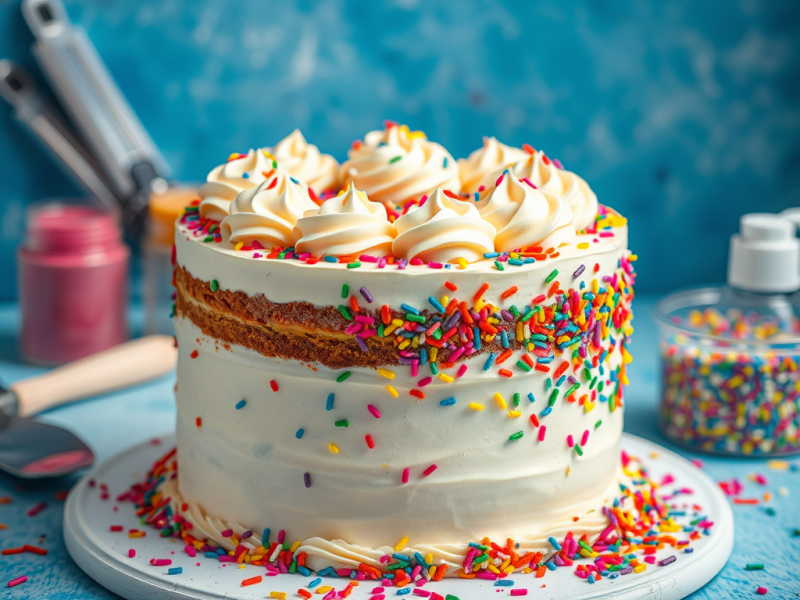
National Cake Decorating Day: Permission to Play with Your Food (Finally!)
October 10th is National Cake Decorating Day, and honestly? We all deserve an excuse to make something beautiful AND delicious.
Look, I’ve been to my share of fancy restaurants. I’ve Instagram-stalked pastry chefs who create edible art that belongs in museums. But here’s what I’ve learned: some of the most fun I’ve ever had in my kitchen has been armed with frosting, sprinkles, and absolutely zero professional training.
National Cake Decorating Day isn’t about perfection. It’s about permission.
Why Cake Decorating is Actually Therapy (But Tastier)
There’s something wildly satisfying about transforming a plain cake into something that makes people go “Wait, YOU made that?” It’s creative, it’s hands-on, and unlike most adult responsibilities, if you mess up, you can just eat the evidence.
Plus, let’s be real—when was the last time you did something just for fun? Not for productivity. Not for self-improvement. Just pure, messy, frosting-covered joy.
Get Started (No Culinary Degree Required)
The Base: Box mix or from scratch? Honey, do what works for you. Betty Crocker has never let me down, and I will die on this hill. Want to go homemade? Go for it. This is a judgment-free zone.
The Frosting: This is where the magic happens. American buttercream is the easiest (butter + powdered sugar + vanilla = heaven). Cream cheese frosting if you’re feeling fancy. Or grab store-bought—we’re decorating here, not competing on reality TV.
The Tools You Actually Need:
- Offset spatula (game changer for smooth frosting)
- Piping bags and tips (start with a basic round tip and a star tip)
- Food coloring (gel colors are way better than liquid)
- Sprinkles (because duh)
The Tools You Don’t Need But Might Want Because They’re Fun:
- Edible glitter (yes, really)
- Fondant (warning: tastes like sweet Play-Doh, but looks amazing)
- Edible flowers
- A turntable (makes you feel like a professional)
Ideas to Steal
For Beginners:
- The “Naked Cake”: Barely frost the outside so you can see the cake layers. Call it “rustic.” Everyone will think you’re artsy.
- Sprinkle Explosion: Cover that bad boy in sprinkles. More is more. Commit to the chaos.
- The Ombré: Use different shades of the same color from dark to light. Looks impressive, actually pretty easy.
For the Adventurous:
- Galaxy Cake: Black frosting base with splattered pink, purple, and blue. Add edible stars. Boom—you’re cosmic.
- Drip Cake: Ganache dripping down the sides. Bonus points if you add macarons or candy on top.
- Textured Buttercream: Use different piping tips to create rosettes, ruffles, or basket weaves. YouTube is your friend here.
For the “I Have Too Much Time and I’m Using It”:
- Fondant figures (hello, three-hour deep dive into making tiny fondant succulents)
- Mirror glaze (it’s science! It’s art! It’s anxiety-inducing!)
- Painted cakes (yes, with actual food-safe paintbrushes)
The Real Talk Section
Will your first decorated cake look like the Pinterest board you’ve been hoarding since 2019? Probably not. Will it taste amazing? Absolutely. Will you have frosting in weird places and question your life choices halfway through? Most likely.
But here’s the thing: there’s something incredibly satisfying about creating something with your own hands. In a world where everything is instant and digital, cake decorating is gloriously slow and messy and real.
Plus, even “ugly” cakes taste delicious. I’ve served some absolutely chaotic-looking creations, and you know what? People still fight over the last slice.
Make It a Thing
Invite friends over for a decorating party. Everyone brings their own cake or cupcakes, you provide the frosting bar and toppings, and may the best (or most ridiculous) creation win.
Too peopley? Solo decorating with your favorite playlist and a glass of wine is also extremely valid.
Have kids or younger siblings? This is quality bonding time that ends in sugar. Win-win.
Bottom Line
National Cake Decorating Day (October 10th—mark your calendar) is your official excuse to be creative, make a mess, and eat your feelings in the best possible way.
So grab a cake, some frosting, and whatever decorating supplies speak to your soul. Make it beautiful. Make it weird. Make it yours.
And if anyone asks why your kitchen looks like a frosting bomb exploded? Just smile and hand them a fork.
Now go forth and decorate. Your inner child (and your taste buds) will thank you.
Pro tip: Take a photo BEFORE you cut into it. Future you will want proof that you’re basically a pastry artist.

When Your Brain Gets Hijacked: What You Need to Know About PANS/PANDAS
October 9th is PANS/PANDAS Awareness Day—and if you’ve never heard of these conditions, you’re not alone. But here’s why they matter.
Imagine waking up one day and suddenly being terrified to eat. Or developing severe OCD seemingly overnight. Or becoming so anxious you can’t leave your room—when just last week, you were completely fine.
This isn’t a horror movie plot. It’s the reality for thousands of kids and teens living with PANS (Pediatric Acute-onset Neuropsychiatric Syndrome) and PANDAS (Pediatric Autoimmune Neuropsychiatric Disorders Associated with Streptococcal Infections).
What Actually Happens?
Here’s the deal: PANS and PANDAS occur when your immune system gets its wires crossed. After fighting off an infection—like strep throat, the flu, or other illnesses—your body’s defense system mistakenly attacks parts of your brain. It’s like friendly fire, but in your nervous system.
The result? Dramatic, sudden psychiatric symptoms that can turn someone’s life upside down in a matter of days or weeks.
The Red Flags
PANS/PANDAS typically shows up in children and teens, and the onset is sudden and dramatic—not gradual. Watch for:
- Severe, overnight OCD that comes out of nowhere (obsessive thoughts, compulsive behaviors, extreme rigidity)
- Eating restrictions or sudden food refusal (sometimes related to fear of choking or contamination)
- Extreme anxiety and panic attacks
- Dramatic personality changes (irritability, emotional outbursts, regression to younger behaviors)
- Movement problems (tics, clumsiness, handwriting deterioration)
- Sleep disturbances (insomnia, nightmares, bedwetting)
- Cognitive issues (brain fog, difficulty concentrating, memory problems)
- Sensory sensitivities (heightened reactions to sounds, textures, lights)
The key word here is acute. We’re talking about a kid who was doing fine on Monday having a complete personality shift by Friday.
Why This Matters
PANS/PANDAS is often misdiagnosed or dismissed entirely. Kids get labeled as having a “behavioral problem” or “typical teen anxiety” when they’re actually dealing with a medical condition affecting their brain. This delays proper treatment and can lead to years of unnecessary suffering.
The good news? When caught early and treated appropriately—often with antibiotics, anti-inflammatories, and immune-based therapies—many kids can recover significantly or completely.
If This Sounds Familiar
Trust your gut. If you or someone you know has experienced sudden, severe psychiatric symptoms—especially following an illness—advocate for proper evaluation. PANS/PANDAS testing isn’t always standard, so you may need to push for it.
Connect with specialists who understand these conditions. Join support groups. You’re not imagining things, and you’re not alone.
This October 9th, let’s shine a light on conditions that literally change brains overnight—and remember that what looks like a mental health crisis might actually have a medical solution.
Because awareness isn’t just about knowing these conditions exist. It’s about getting kids the right help at the right time.
If you suspect PANS/PANDAS, consult with a healthcare provider experienced in these conditions. Early intervention can make all the difference.
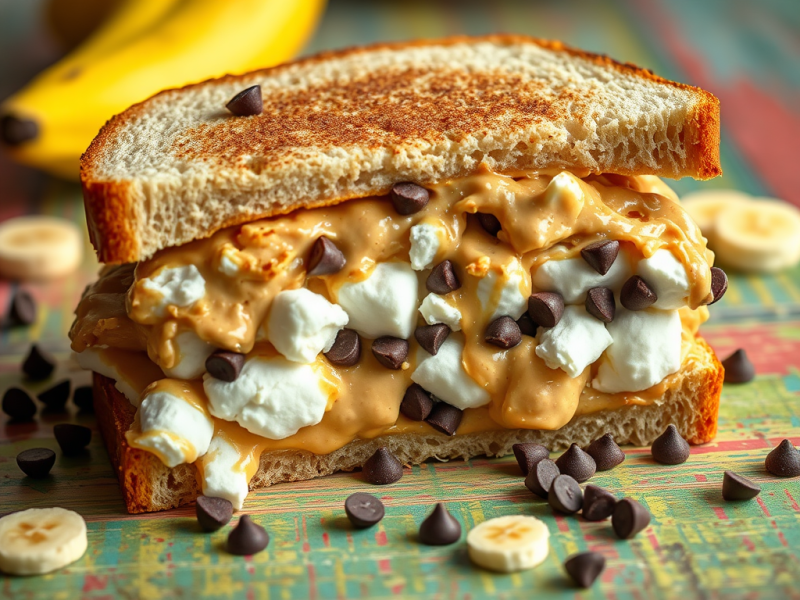
National Fluffernutter Day: The Chaotic Good Sandwich That Deserves Your Respect
October 8th is dedicated to the most unhinged yet somehow perfect food combo ever created, and we need to talk about it.
If you’ve never had a Fluffernutter, first of all—where have you been? Second, buckle up because you’re about to discover why this beautifully chaotic mashup of peanut butter and marshmallow fluff between two slices of bread has its own national holiday.
What Is a Fluffernutter Anyway?
Okay, so imagine this: someone in Massachusetts back in the day looked at a regular PB&J and said “nah, not sweet enough, not chaotic enough” and swapped the jelly for literal marshmallow spread. And somehow, against all odds, it absolutely slaps.
The recipe is stupidly simple:
- Two slices of bread (white bread is traditional but you do you)
- Peanut butter (creamy or crunchy—this is a safe space)
- Marshmallow Fluff (the official gooey goodness)
- Optional: your dignity, which you’ll lose while trying to eat this sticky masterpiece
That’s it. That’s the whole thing. And yet it’s become such an iconic New England staple that it has its own holiday, festivals, and a cult following that would honestly go to war for it.
The Origin Story Nobody Asked For But Everyone Needs
The Fluffernutter was born in the 1960s in Massachusetts (of course it was Massachusetts), but Marshmallow Fluff itself has been around since 1917. Some marketing genius named Emma Curtis came up with the Fluffernutter name and recipe, and it’s been causing sugar-induced chaos ever since.
Fun fact: Massachusetts actually tried to make the Fluffernutter the official state sandwich in 2006. It didn’t pass, but the audacity of it? Iconic behavior, honestly.
Why Gen Z Should Be Obsessed With This
Here’s the thing about Fluffernutters that makes them absolutely perfect for our generation:
It’s unapologetically extra. In a world where everything is minimalist aesthetics and “clean eating,” the Fluffernutter says “I contain multitudes (of sugar) and I’m thriving.”
It’s nostalgic comfort food. Whether you grew up eating these or you’re discovering them now, there’s something beautifully simple about a sandwich that doesn’t pretend to be anything other than pure joy in carb form.
It’s customizable AF. Just like your Spotify playlists and your coffee order, you can make a Fluffernutter your own. Add banana slices, drizzle some honey, throw in some chocolate chips, use cinnamon bread—go feral with it.
It’s the perfect “I can’t adult today” meal. Finals week? Heartbreak? Existential dread? The Fluffernutter doesn’t judge. It just delivers sticky, sweet comfort when you need it most.
Level Up Your Fluffernutter Game
If you’re gonna celebrate National Fluffernutter Day properly, here are some unhinged variations to try:
🔥 The Elvis: Add sliced bananas and bacon (trust the process)
🔥 The Midnight Snack: Use chocolate graham crackers instead of bread
🔥 The Breakfast of Champions: Make it on waffles or French toast
🔥 The Bougie Version: Use almond butter, organic Fluff, and artisan sourdough (still tastes like chaos, just expensive chaos)
🔥 The “I Have No Chill” Special: Add Nutella, because why not burn your taste buds with pure sugar
🔥 The Grilled Masterpiece: Butter the outside and grill it like a grilled cheese. Life-changing. You’re welcome.
How to Eat a Fluffernutter Without Losing Your Mind
Real talk: this sandwich is a commitment. Here’s your survival guide:
Accept that you’ll be sticky. Your hands, your face, possibly your hair—just embrace it. This is not a first date food unless you’re trying to establish dominance.
Have napkins. Many napkins. Actually, just grab the whole roll. Maybe a damp towel. Possibly a shower.
Don’t wear black. Or white. Actually, maybe just eat this in the nude. (Kidding. Mostly.)
Eat it fresh. Unlike your drama, this doesn’t age well. Make it, eat it, move on with your sticky, satisfied life.
Milk is your friend. Seriously, have a beverage ready. This sandwich will glue your mouth shut faster than you can say “marshmallow fluff.”
The Vibe Check
Is the Fluffernutter objectively good for you? Absolutely not. Is it probably violating several nutritional guidelines? Most definitely. Does it contain any substantial vitamins or minerals? Only if you count happiness as a vitamin.
But here’s the thing: not everything has to be optimized, aesthetic, or good for you. Sometimes you just need to make a ridiculous sandwich that makes you smile. Sometimes chaotic joy is the whole point.
The Fluffernutter is beautifully, unapologetically itself. It doesn’t try to be trendy or healthy or Instagram-worthy (though it low-key is). It just exists in its sticky, sweet glory, bringing happiness to anyone brave enough to try it.
Your October 8th Challenge
Make a Fluffernutter. Just do it. Even if you’ve never had one, even if it sounds weird, even if you’re skeptical. Life’s too short to not try sticky, chaotic sandwich experiences.
Bonus points if you:
- ✨ Actually try one of the cursed variations listed above
- ✨ Introduce a friend to their first Fluffernutter
- ✨ Post a pic and tag it #FluffernutterDay (embrace the mess)
- ✨ Report back on whether it was a spiritual experience or just diabetes on bread
Pro tip: Make two. You’ll want a backup after the first one disappears in approximately 90 seconds.
So this National Fluffernutter Day, get yourself to the store, grab some Fluff and peanut butter, and join the sticky side. Your inner child will thank you. Your dentist might not, but that’s a problem for future you.
Stay chaotic, stay sweet, and may your sandwiches always be perfectly unhinged. 🥜✨
Team creamy or team crunchy peanut butter? Drop your Fluffernutter takes below and let’s settle this once and for all.
Why Every Outdoor Lover Needs a Quality Walking Stick
Hey fellow adventurers! 🌲✨ If you love exploring the great outdoors like I do, you know that a good hike, nature walk, or trail adventure can be both exhilarating and… a little tricky on your knees and ankles. That’s where a quality walking stick comes in—and trust me, it’s a total game-changer.
A sturdy walking stick isn’t just a cool accessory to pose with for Instagram (though, yes, it does make for some epic photos 😉). It’s your extra set of legs, helping you balance on rocky paths, cross streams, and power through muddy trails without wiping out. Even better? It reduces strain on your joints, making longer hikes more enjoyable and less exhausting.
But wait—there’s more! A walking stick can also be your outdoor multi-tool. Need to move branches, check water depth, or even scare off a curious critter? Boom. Done. It’s like having a hiking buddy who never complains.
So whether you’re a weekend trailblazer, an urban explorer hitting city parks, or just someone who loves a peaceful nature stroll, investing in a high-quality walking stick is a small change that makes a big impact on your adventure game. Plus, you’ll feel like a total outdoor boss while doing it. 💪🌿
Pro tip: Look for one that’s lightweight, durable, and adjustable—it’ll fit every adventure and every terrain. Trust me, your knees, ankles, and sense of adventure will thank you.
Happy trails, friends! 🥾✨
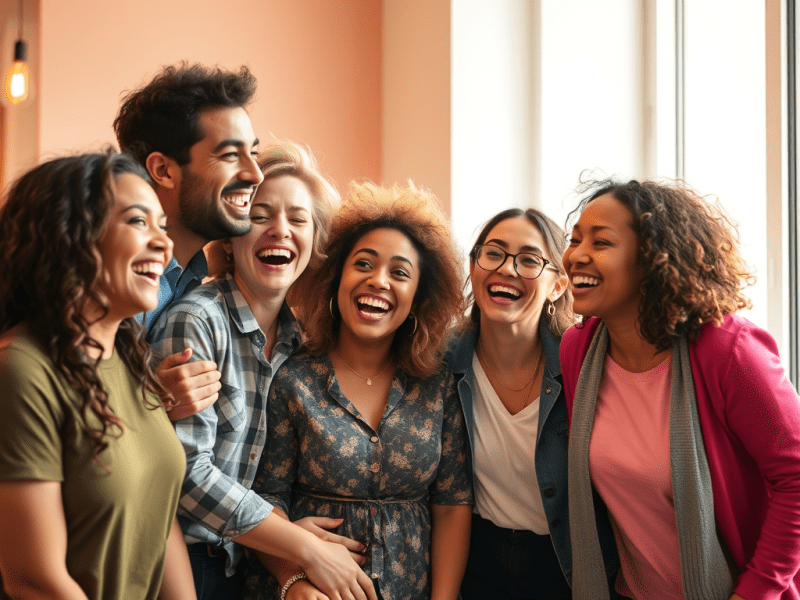
You’re Already Enough: Why National Inner Beauty Day Hits Different
You’re Already Enough: Why National Inner Beauty Day Hits Different
October 7th isn’t just another random day to post aesthetic quotes on your story.
Look, I get it. We’re all out here trying to curate the perfect feed, find the right filter, and honestly? It’s exhausting. But here’s the thing about National Inner Beauty Day that actually matters: it’s the one day we collectively pause and remember that the most fire version of yourself has nothing to do with your skin clearing up or finally nailing that eyeliner wing.
Real Talk: What Even Is Inner Beauty?
Inner beauty isn’t some cheesy Hallmark card concept your mom talks about when you’re feeling down. It’s literally the energy you bring into a room. It’s how you make your friends feel heard when they’re spiraling at 2am. It’s standing up for someone getting trashed in the group chat. It’s the way you geek out about the things you love without apologizing for it.
Inner beauty is your vibe—and your vibe is literally everything.
Think about the people you genuinely want to be around. Sure, they might be conventionally attractive, but that’s not why you keep coming back. You come back because they’re real. Because they hype you up. Because they own their weird quirks and somehow make you feel like it’s okay to own yours too.
The Plot Twist Nobody Talks About
Here’s what’s wild: focusing on your inner beauty actually makes you more attractive to the people who matter. Not in a “fake it till you make it” toxic positivity way, but because confidence and authenticity are genuinely magnetic.
When you:
- Stop apologizing for taking up space
- Actually listen instead of just waiting for your turn to talk
- Stand firm in your values even when it’s uncomfortable
- Show up for people without expecting anything back
- Embrace the things that make you different
…you become the kind of person others gravitate toward. The kind of person who leaves a mark on people’s lives, not just their FYP.
Your Inner Beauty Starter Pack
This October 7th, here’s your challenge—and none of this requires a ring light:
Do a values check-in. What actually matters to you? Not what’s trending, not what gets engagement, but what makes youfeel aligned with who you want to be? Write it down. Voice memo it. Whatever works.
Audit your self-talk. Would you let someone talk to your best friend the way you talk to yourself in your head? Probably not. So why is it okay to do it to yourself? Start catching those thoughts and flipping the script.
Find your people. The ones who celebrate your wins without the weird competitive energy. The ones who call you out when you’re being trash but still have your back. Quality over quantity, always.
Do something that scares you a little. Growth lives outside your comfort zone. Maybe it’s finally sharing your art, speaking up in class, or setting a boundary with someone. Small brave acts build serious character.
Practice gratitude without the cringe. You don’t have to start a manifestation journal or whatever. Just notice the good stuff. Your body that gets you through the day. The friend who always knows when something’s off. The way your coffee tastes perfect on a random Tuesday.
The Bottom Line
National Inner Beauty Day exists because we genuinely need the reminder. We’re living in a time where everything is performative, where your worth feels tied to metrics and validation from people you’ve never even met.
But here’s the truth bomb: in 10 years, nobody’s going to remember your follower count or that one post that flopped. They’re going to remember how you made them feel. The impact you had. The person you were when nobody was watching.
Your inner beauty—your kindness, your integrity, your resilience, your ability to show up authentically—that’s the legacy you’re building every single day.
So this October 7th, maybe take a break from the filters and the facades. Check in with the person behind the screen. Make sure they’re good. Make sure they’re growing into someone you’re actually proud to be.
Because you’re already enough. You always have been.
Now go remind someone else that they are too. 💫
What does inner beauty mean to you? Drop your thoughts below—let’s actually talk about this.
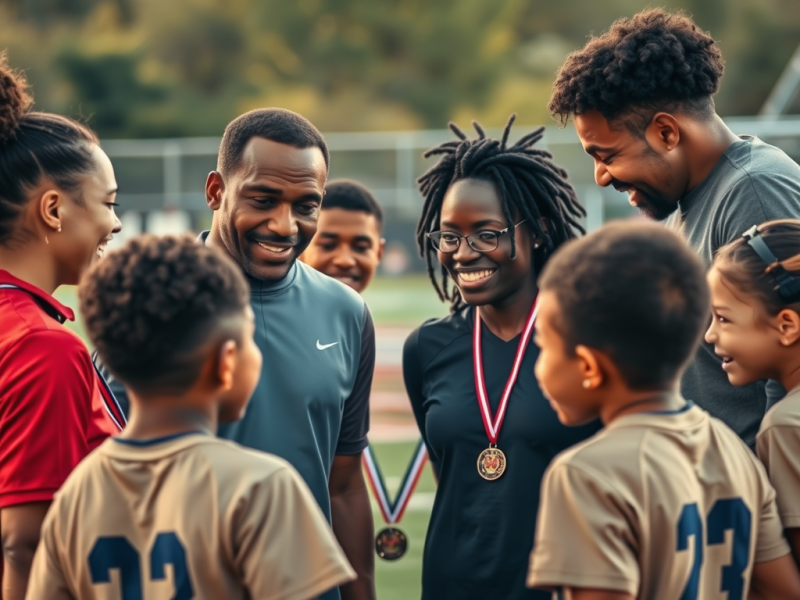
Why National Coaches Day Deserves Way More Hype Than It Gets
They’ve yelled at you, believed in you, and probably made you run extra laps. Here’s why your coach deserves some serious recognition.
October 6 isn’t just another Monday on the calendar—it’s National Coaches Day, and if you’ve ever had someone push you to be better at literally anything, this day is kind of a big deal.
The Real Impact of Great Coaching
Let’s be honest: coaches are basically life architects disguised as people with whistles. Whether you’re talking about your high school basketball coach, that swim instructor who taught you not to drown, or even your debate team advisor, these are the people who saw potential in you that you didn’t even know existed.
The stats don’t lie. Studies show that young athletes who have positive coaching experiences are more likely to stick with sports into adulthood, develop better leadership skills, and even perform better academically. But here’s what the numbers don’t capture—those moments when a coach pulled you aside and told you exactly what you needed to hear, even when it wasn’t what you wanted to hear.
Beyond the Scoreboard
Great coaches teach way more than just skills and strategies. They’re teaching:
Resilience. Every time you wanted to quit during conditioning and didn’t—that was your coach’s influence showing up in your life. That mental toughness translates to job interviews, college finals, and basically every hard thing you’ll face.
Accountability. Show up late to practice? Your coach noticed. Half-heartedly going through drills? They called you out. This might have been annoying in the moment, but learning to be accountable to a team is a skill that separates average people from exceptional ones.
Community. Your coach created a space where a bunch of different people came together for a common goal. In a world where everyone’s glued to their screens, that’s actually revolutionary.
How to Celebrate National Coaches Day
Okay, so you’re convinced your coach deserves recognition. Here’s how to make October 6 actually mean something:
Send a message that matters. Skip the generic “thanks coach” text. Write something specific. Remember that game where you were down by 15 and your coach’s halftime speech somehow turned everything around? Tell them you remember. Mention the exact moment they made a difference.
Social media shoutout. Post a throwback photo with a genuine caption about what your coach taught you. Tag them. Use hashtags like #NationalCoachesDay, #ThankACoach, or #CoachingMatters. Your coach might act like they’re too cool to care about social media, but trust me, they’ll screenshot it.
Show up. If you’ve graduated or moved on, stop by practice. Coaches love seeing former players who turned out okay. It reminds them why they do what they do.
Pay it forward. The ultimate way to honor a coach? Become someone who invests in others the way they invested in you. Mentor a younger player, volunteer as an assistant coach, or just be the person who encourages someone else to keep going.
The Coaches Who Changed Everything
Think about the coaches who shaped sports history—Phil Jackson’s zen approach to basketball, Billie Jean King’s advocacy for equality in tennis, Coach K’s leadership at Duke. These weren’t just people who knew X’s and O’s. They were visionaries who understood that coaching is about developing humans, not just athletes.
Your coach might not be famous, but I guarantee they’ve changed lives. Maybe even saved some.
The Bottom Line
National Coaches Day on October 6 is your annual reminder to appreciate the people who believed in your potential before you did. These are the humans who spent their evenings and weekends watching you grow, who celebrated your wins like they were their own, and who pushed you when you needed pushing.
So this October 6, don’t let the day pass without acknowledging the coach who made a difference in your life. Because behind every successful person is usually a coach who refused to let them quit.
Drop a comment below: What’s one thing your coach taught you that stuck with you? Let’s fill this section with some coach appreciation because they deserve their flowers while they can still smell them.
Whether you’re currently grinding through practices or you hung up your jersey years ago, take a moment this National Coaches Day to reach out. It’ll make their week—maybe even their year.
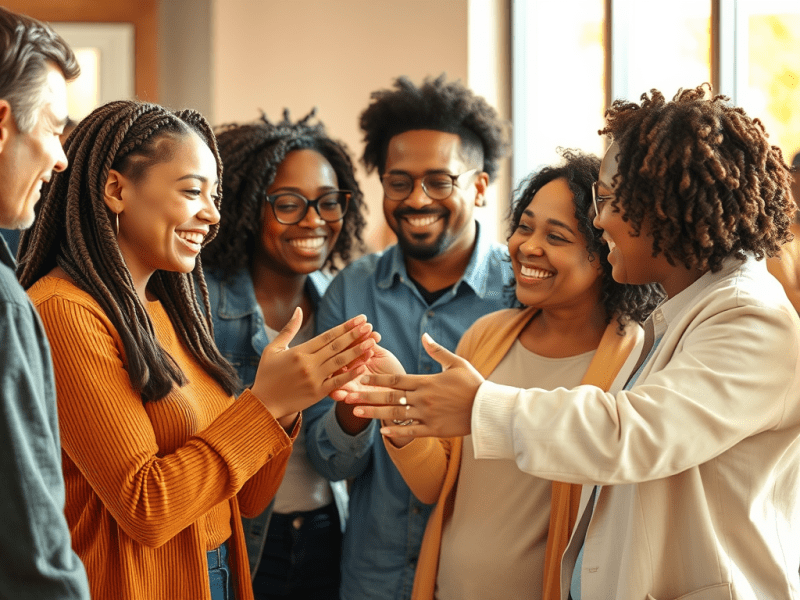
National Do Something Nice Day: Your Guide to Being Awesome (Without Even Trying That Hard)
Drop everything. October 5th isn’t just another Sunday—it’s National Do Something Nice Day, and honestly? We all need this right now.
Look, I get it. Between doom-scrolling, adulting, and pretending we have our lives together, kindness can feel like just another thing on the to-do list. But here’s the plot twist: doing something nice actually makes you feel better. Science says so, and science doesn’t lie.
What Even Is National Do Something Nice Day?
Created to remind us that kindness isn’t cringe—it’s cool—this holiday is basically permission to be a decent human without overthinking it. No grand gestures required. No viral TikTok necessary (though bonus points if you make one).
Why You Should Actually Care
Real talk: studies show that acts of kindness trigger dopamine in your brain. That’s right—being nice literally gives you the same happy chemicals as eating pizza or getting likes on your posts. Plus, kindness is contagious. When someone does something nice for you, you’re 3x more likely to pay it forward. It’s basically a psychological domino effect, but make it wholesome.
Easy Ways to Participate (Seriously, Anyone Can Do These)
The Low-Effort, High-Impact Moves
- Text that friend you’ve been meaning to check on. “Hey, thinking about you” hits different when someone needs it most
- Leave a genuine compliment on someone’s post. Not just “🔥🔥🔥” but actual words
- Buy coffee for the person behind you. Classic for a reason
- Clear out your camera roll and send people random pics of them looking good. Everyone needs a confidence boost
The Slightly More Committed Options
- Venmo your broke friend $10 for tacos. No explanation needed
- Volunteer for literally anything. Animal shelter, food bank, beach cleanup—pick your vibe
- Make a playlist for someone. It’s personal, it’s free, and it shows you actually listen
- Write a review for that small business you love. Five stars can change someone’s whole week
The Overachiever Energy
- Organize a donation drive for your workplace, school, or group chat
- Mentor someone younger than you who’s trying to figure out life
- Start a kindness challenge on social media and actually tag people (not in an annoying chain-mail way though)
The Ripple Effect Is Real
Here’s what makes this day special: kindness multiplies. When you do something nice, you’re not just helping one person—you’re potentially starting a chain reaction. That stranger you smiled at? They might go home and be more patient with their kid. Your friend you texted? They might finally reach out to their therapist.
We’re all just people trying to get through the day. And sometimes, one nice gesture is the difference between a terrible day and an okay one.
Make It a Habit, Not Just a Holiday
National Do Something Nice Day is cool and all, but imagine if we did this… more often? Revolutionary concept, I know. The secret is finding what works for you:
- Morning coffee run? Grab an extra for a coworker
- Good at memes? Send them to people who need a laugh
- Have a car? Offer rides without being asked
- Talented at something? Teach it for free
The Bottom Line
You don’t need to cure world hunger or go viral to make a difference. Sometimes the nicest thing you can do is just show up, pay attention, and give a damn about the people around you.
So on October 5th (or literally any day), try doing something nice. Not because you have to, not for the ‘gram, but because small acts of kindness make the world slightly less terrible.
And honestly? We could all use that right now.
What nice thing are you planning to do? Drop your ideas in the comments—let’s inspire each other. And hey, if this post made you smile even a little, share it with someone who needs a reminder that good people still exist.
#NationalDoSomethingNiceDay #ActsOfKindness #SpreadKindness #BeKind #RandomActsOfKindness #KindnessMatters #DoGood #PayItForward #KindnessChallenge #MakeADifference
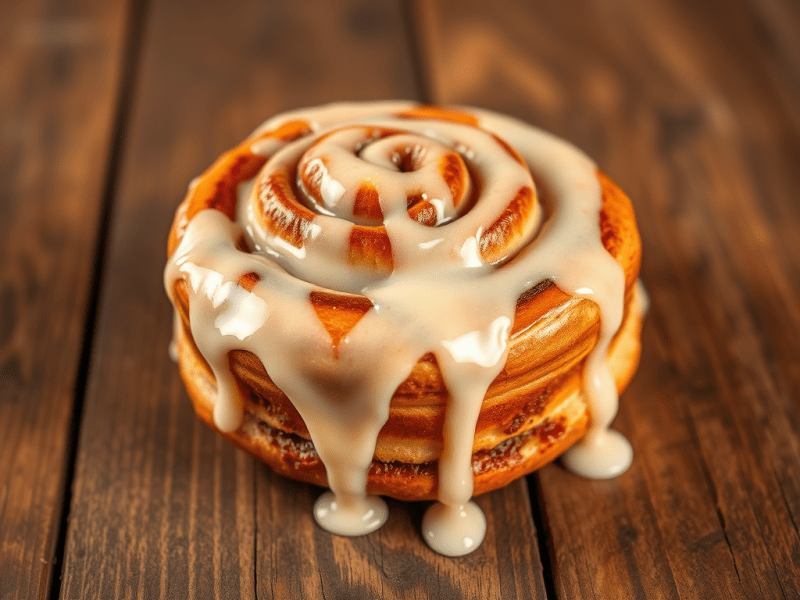
National Cinnamon Bun Day: The Sweetest Holiday You Didn’t Know You Needed
Breaking news: There’s a day dedicated to those gooey, swirly circles of pure happiness, and it’s October 4th. Clear your calendar and loosen your belt.
If you’ve never celebrated National Cinnamon Bun Day, you’ve been doing life wrong. But don’t worry—we’re about to fix that.
Why Cinnamon Buns Are Actually Perfect
Let’s be honest: cinnamon buns are the main character of the pastry world. Here’s why they’re superior to basically every other baked good:
The warmth factor. There’s something primal about a warm cinnamon bun fresh from the oven. It’s like a hug you can eat. Science probably backs this up.
The cinnamon sugar spiral. Every bite is an adventure. You get crispy edges, gooey centers, and that perfect swirl of cinnamon that makes your taste buds do a happy dance.
The icing situation. Cream cheese frosting melting into warm dough? That’s not breakfast—that’s a lifestyle choice.
The smell. Walking into a place that smells like cinnamon buns is basically what heaven’s waiting room smells like. No debate.
They’re acceptable at any time. Breakfast? Obviously. Dessert? Absolutely. 2 AM stress-eating session? We don’t judge.
The Great Cinnamon Bun Debate
Let’s address the elephant in the room: there are strong opinions about cinnamon buns, and it’s time to pick a side.
Team Cinnabon vs. Team Homemade
Cinnabon loyalists will fight you over those mall-famous, plate-sized spirals drowning in cream cheese frosting. They’re not wrong—those things are dangerous.
Homemade heroes swear nothing beats fresh-from-the-oven buns made with love (and a questionable amount of butter). The house smells amazing, and you can control the icing-to-bun ratio.
The correct answer? Both. Always both.
Icing Wars: Cream Cheese vs. Classic Glaze
This is where friendships end and group chats explode.
Cream cheese frosting gang wants that tangy, thick, luxurious topping that’s basically the whole reason for eating the bun.
Classic glaze crew prefers the sweet, simple, slightly crispy coating that doesn’t overwhelm the cinnamon.
Hot take: If you’re anti-icing entirely, we need to talk. Are you okay?
Nuts or No Nuts?
Pro-nut people love that extra crunch and flavor complexity. Pecans, walnuts, bring ’em on.
Anti-nut activists believe nuts are a distraction from the true star. Why mess with perfection?
Compromise: Nuts on the side. Everyone wins.
How to Celebrate National Cinnamon Bun Day Like a Champion
Level 1: Casual Participant
- Hit up your local bakery or coffee shop
- Order the biggest cinnamon bun they have
- Post it on your story with #CinnamonBunDay
- Enjoy without shame
Level 2: Enthusiast
- Try cinnamon buns from THREE different places
- Rank them
- Start arguments in the comments about which is best
- Eat them all anyway
Level 3: Absolute Legend
- Wake up early and make homemade cinnamon buns
- Share them with friends/family/coworkers
- Become everyone’s favorite person
- Accept your new role as the Cinnamon Bun Hero
Level 4: Completely Unhinged (We Respect It)
- Cinnamon bun for breakfast
- Cinnamon bun ice cream for lunch
- Cinnamon bun cheesecake for dinner
- Question your life choices at midnight
- Do it again next year
The Ultimate Quick Cinnamon Bun Hack
Don’t have time to make them from scratch? We got you.
The Hack: Grab a tube of crescent roll dough, brush with melted butter, sprinkle with cinnamon sugar, roll it up, slice, and bake. Add store-bought cream cheese frosting.
Time investment: 20 minutes Taste level: 8/10 Effort level: 2/10 Will people think you’re a baking genius?Absolutely
Where to Find the Best Cinnamon Buns
Chain legends:
- Cinnabon – The OG, the classic, the “I can’t believe I ate the whole thing”
- IKEA – Surprisingly fire Swedish cinnamon buns (kanelbullar)
- Panera – Their cinnamon crunch bagel is the sneaky underdog
Local bakeries: Always check your local spots. Small bakeries are out here doing WORK with creative flavors—apple cinnamon, pumpkin spice, chocolate chip, even savory versions.
Your kitchen: The real MVP. Nothing hits like homemade, and the bragging rights are unmatched.
Cinnamon Bun Fun Facts to Blow Your Mind
- Sweden has its own cinnamon bun day (October 4th—same day!) called Kanelbullens Dag. They take this SERIOUSLY.
- The world’s largest cinnamon roll weighed over 1,100 pounds. That’s commitment.
- Cinnamon was once more valuable than gold. Your breakfast is basically treasure.
- The cinnamon roll emoji exists (🥮 – close enough) for a reason. Use it liberally today.
The Health Conversation Nobody Wants
Look, we’re not going to pretend cinnamon buns are health food. They’re sugar, butter, and carbs having a party in your mouth.
But here’s the thing: life is short, and joy matters. One day a year, you can absolutely celebrate with a cinnamon bun (or three) without guilt.
Plus: Cinnamon has antioxidants! The bun part… well, it has carbs for energy. That’s basically health food if you squint.
Make It Extra: Cinnamon Bun Variations to Try
Feeling adventurous? Try these next-level options:
Cinnamon bun pancakes – Swirled with cinnamon sugar and topped with cream cheese syrup Cinnamon bun French toast – Use actual cinnamon buns as the bread (game changer) Cinnamon bun ice cream sundae – Warm bun + vanilla ice cream + extra icing Cinnamon bun milkshake – Blend it all up, why not Cinnamon bun bread pudding – Old buns get a second life
The Bottom Line
National Cinnamon Bun Day isn’t just about eating pastries—it’s about celebrating simple pleasures, treating yourself without apology, and acknowledging that sometimes, life is better with frosting.
So on October 4th (or literally any day because who needs permission), grab a cinnamon bun. Make it yourself, buy it from that place you’ve been meaning to try, or yes, hit up the mall food court for a Cinnabon the size of your head.
Life’s too short for boring breakfast. Get the cinnamon bun.
Now the important question: How are YOU celebrating National Cinnamon Bun Day? Drop your cinnamon bun hot takes in the comments. 🥐✨
National Cinnamon Bun Day is celebrated annually on October 4th. Find the best cinnamon buns near you, try making them at home, or just eat as many as humanly possible. We support all choices.
#CinnamonBunDay #CinnamonRolls #NationalCinnamonBunDay #CinnamonBuns #FoodHoliday #Cinnabon #BakingLife #SweetTreats #FoodieLife #DessertLovers

You’re Speaking Volumes Without Saying a Word: National Body Language Day
That “vibe” you’re getting from someone? It’s science, and you’re reading it like a book.
September 11th is National Body Language Day, and before you scroll past thinking this is just another random holiday—hold up. This might be the most useful thing you learn all week.
The Silent Conversation Everyone’s Having
Here’s a wild stat: experts say up to 93% of communication is nonverbal. Yeah, you read that right. All those words you’re carefully choosing? They’re only about 7% of what you’re actually saying.
Your body is out here writing essays while your mouth is texting “k.”
What Your Body Is Really Saying
Every single day, you’re broadcasting signals:
- Crossed arms = “I’m uncomfortable” or “I’m cold” (context matters!)
- Eye contact = confidence, interest, or sometimes a challenge
- Leaning in = “Tell me more, I’m invested”
- Checking your phone mid-conversation = “You’re boring me” (ouch, but true)
- Mirroring someone’s posture = subconscious sign of connection and rapport
The craziest part? Most of this happens on autopilot. Your brain is reading and sending body language signals faster than you can think.
Why This Actually Matters IRL
In job interviews: Studies show hiring managers make decisions within the first 7 seconds of meeting you—way before you’ve said anything impressive. Your handshake, posture, and eye contact are doing the heavy lifting.
In relationships: Ever had that gut feeling someone was lying? Your subconscious was picking up microexpressions and inconsistencies between their words and their body language. Trust your instincts—they’re reading the receipts.
On social media: Even through a screen, body language translates. TikTokers and influencers who “feel authentic” have mastered open postures, genuine smiles (the ones that reach the eyes), and natural gestures. The ones who feel “off”? Their nonverbals are clashing with their message.
In everyday life: Understanding body language = better communication, fewer misunderstandings, and the superpower of actually knowing how people feel.
The Body Language Cheat Sheet You Need
Power Moves (Confidence Signals):
- Open posture – arms uncrossed, chest open, taking up space
- Steady eye contact – not creepy staring, just engaged presence
- Firm handshake – not bone-crushing, just confident
- Standing tall – shoulders back, chin up (your mom was right)
- Genuine smile – the kind that crinkles your eyes
Red Flags (Discomfort or Deception):
- Avoiding eye contact – hiding something or just anxious
- Touching face/neck repeatedly – stress response activated
- Fake smile – mouth says happy, eyes say dead inside
- Fidgeting – nervous energy needs an outlet
- Blocking gestures – arms crossed, holding objects as shields
Connection Builders:
- Mirroring – subtly matching someone’s energy and movements
- Nodding – shows you’re listening and engaged
- Leaning forward – signals genuine interest
- Palms up – open, honest, nothing to hide
- Appropriate touch – a hand on the shoulder, high-five (read the room!)
The Dark Side: Body Language Manipulation
Real talk: some people weaponize body language knowledge. Pick-up artists, manipulative salespeople, and toxic individuals use these techniques to deceive and control.
Protect yourself by:
- Trusting your gut when something feels off
- Looking for clusters of signals, not just one gesture
- Remembering that context is everything
- Knowing that authentic body language is hard to fake consistently
Level Up Your Body Language Game
Start with awareness: Record yourself on video call or making TikToks. Cringe through it, then analyze what you’re actually doing with your hands, face, and posture.
People-watch (respectfully): Observe conversations in coffee shops, on campus, at the mall. Watch how body language changes the entire vibe.
Check your digital body language: Are you always looking down at your phone? Slouching in Zoom meetings? Your virtual presence counts too.
Practice power poses: Before big moments—interviews, presentations, tough conversations—spend two minutes in a power pose. Research shows it actually boosts confidence hormones.
Get comfortable with discomfort: Eye contact feels weird at first. Sitting up straight feels unnatural. Do it anyway. Your future self will thank you.
The Bottom Line
You’re already fluent in body language—you’ve been reading it since you were a baby figuring out if mom was happy or stressed. National Body Language Day is just a reminder to level up that natural skill into a conscious superpower.
Because in a world where everyone’s glued to screens and communication feels harder than ever, the ability to read the room, project confidence, and genuinely connect with people? That’s not just valuable—it’s essential.
So what’s your body saying right now? Probably more than you think.
Challenge: For the next 24 hours, notice your own body language and others’. Pay attention to what people aren’t saying. Drop a comment about the wildest body language signal you picked up on. 👀
National Body Language Day is observed on October 3rd. Master the art of nonverbal communication and transform how you connect with the world.
#BodyLanguageDay #NonverbalCommunication #CommunicationSkills #SocialSkills #BodyLanguageTips #ReadTheRoom #ConfidenceBoost #SelfImprovement
The Unsung Heroes: Why We Need to Talk About Custodial Workers
They show up before you do. They stay after you leave. And honestly? We’d be lost without them.
October 2nd is National Custodial Workers Recognition Day, and if you’ve never heard of it, you’re not alone. But here’s the thing—maybe that’s exactly the problem.
The Real MVPs of Every Building
Think about the last time you walked into a clean bathroom at school, grabbed lunch in a spotless cafeteria, or worked late in an office that didn’t smell like yesterday’s trash. You probably didn’t think twice about it, right?
That’s the invisible magic of custodial workers.
These are the people who:
- Keep us healthy by sanitizing high-touch surfaces and preventing the spread of germs
- Create safe spaces by ensuring hallways are clear, spills are cleaned immediately, and potential hazards are eliminated
- Make first impressions possible because let’s be real—a dirty entrance says everything
Beyond the Mop and Bucket
Here’s what most people don’t realize: custodial work is skilled work. We’re talking about expertise in:
- Chemical safety and proper cleaning techniques
- Equipment operation and maintenance
- Time management across massive facilities
- Problem-solving when things go wrong (and they do)
Many custodial workers are also masters of efficiency, often responsible for thousands of square feet of space with tight deadlines and limited resources.
The Respect Gap
Despite being essential workers—a term we throw around a lot these days—custodial staff often face low wages, minimal benefits, and even less recognition. They’re the backbone of schools, hospitals, offices, and public spaces, yet their contributions frequently go unnoticed.
It’s time to change that narrative.
How to Show Appreciation (Today and Every Day)
Small actions, big impact:
- Say thank you when you see custodial workers in action
- Learn their names—they’re not invisible
- Don’t make their job harder (trash in the bin, not on the floor)
- Advocate for better wages and working conditions in your community
- Share their stories on social media using #CustodialWorkersDay
The Bottom Line
Every clean space you’ve ever enjoyed exists because someone cared enough to make it that way. Custodial workers don’t just clean buildings—they create environments where we can learn, work, heal, and thrive.
So this National Custodial Workers Recognition Day, let’s do more than acknowledge them. Let’s see them. Let’s valuethem. And let’s make sure they know that their work matters—because it absolutely does.
Who’s a custodial worker that’s made a difference in your life? Drop their name in the comments and give them the recognition they deserve. 👇
National Custodial Workers Recognition Day is observed annually on October 2nd. Learn more about supporting essential workers in your community.
Bloom Where You’re Planted: How Planters Can Transform Your Outdoor Space (and Your Mood!)
I’ll be honest—at 40, one of my favorite things to do is roll up my sleeves, step outside, and spend time in the yard. There’s just something about being in the fresh air, surrounded by green and growing things, that makes life feel lighter and calmer. One of the easiest (and most fun!) ways I’ve found to add beauty to an outdoor space is by using planters.
Planters are like instant style upgrades for your yard, porch, or balcony. You don’t need acres of land or a perfect lawn—just a few pots, containers, or hanging baskets, and you can create a little outdoor sanctuary that’s totally your own. I love mixing and matching sizes, colors, and even textures of planters to add personality. Pro tip: group three different-sized planters together for a quick, eye-catching focal point. Teens and young adults—this is your chance to flex your creativity. Want a bold vibe? Paint your planters neon or go with sleek, modern black. Love the earthy, boho look? Terracotta or stone planters will be your best friend.
But it’s not just about looks. Planting flowers, herbs, or even small veggies in planters can be surprisingly therapeutic. Digging your hands in the soil is grounding (literally and emotionally), and watching your plants grow gives you a sense of accomplishment. It’s like a built-in stress reliever, especially after a long week of school, work, or just life. Plus, research shows that spending time outdoors and with plants can reduce anxiety, boost your mood, and even help with focus—who doesn’t need more of that?
So if you’re craving a more beautiful and peaceful outdoor space, start small with planters. Whether it’s a bright pop of flowers by your front door, fresh basil on your balcony, or a little cactus on your windowsill, these simple containers can transform your environment—and your mindset.
Now go grab a planter, some soil, and a plant that speaks to you. Trust me, your outdoor space (and your stress levels) will thank you. 🌿✨

Glow Up Your Outdoor Space: Why String Lights Are Actually Life-Changing
Listen, I used to think outdoor lighting was just for people who had their lives together—you know, the ones with matching patio furniture and plants that don’t die. Plot twist: I was completely wrong.
The Magic is Real (And Surprisingly Affordable)
String lights aren’t just Instagram eye candy. They’re literal mood transformers that turn your basic backyard, tiny balcony, or sad little patio into a space you actually want to spend time in. And trust me, as someone who’s hosted everything from wine nights to solo coffee mornings out there, the difference is night and day.
Why Your Brain Loves Outdoor Lighting:
- Warm light = instant cozy vibes (goodbye harsh porch light that makes everyone look like they’re being interrogated)
- Creates defined spaces without walls or expensive renovations
- Makes gatherings feel intentional instead of like you just dragged chairs outside
- Perfect for literally any vibe—romantic dinner, girls’ night, or just you with a book and your thoughts
The Real Talk: You don’t need a Pinterest-perfect setup. I’ve seen tiny apartment balconies transformed with a single strand of fairy lights, and massive backyards that feel intimate with strategic placement around seating areas.
Pro Tips That Actually Work:
- Layer different heights (trees, fences, umbrellas)
- Warm white beats cool white every single time
- Solar options exist for commitment-phobes
- Dimmers are your friend for versatile ambiance
Bottom Line: Whether you’re hosting the group chat or creating a retreat space just for you, outdoor lighting turns “meh” spaces into places people (including yourself) genuinely want to be.
Your future self will thank you when you’re sitting outside at 9 PM, actually relaxing instead of doom-scrolling inside.

Stop Raking Like It’s 1995: Why a Quality Leaf Blower is Your Yard’s Best Friend
I’m 40, single, and I used to spend entire weekends with a rake, yelling at leaves while my back screamed at me. Then I discovered what landscapers have known forever: leaf blowers aren’t just for professionals—they’re for anyone who values their time and sanity.
The Time Factor is Everything
Raking your average suburban yard: 2-4 hours of back-breaking labor. Using a quality leaf blower: 20-30 minutes of walking around your property. The math is simple, but the life-changing impact is huge. Your weekends are for living, not for being enslaved by seasonal yard cleanup.
Beyond Just Leaves
Here’s what changed my perspective: leaf blowers aren’t one-trick ponies. Clearing debris from your driveway after a storm? Done in minutes. Cleaning out your garage? Easy. Getting leaves out of flower beds without damaging plants? Perfect tool for the job. Drying off your car after washing it? Game changer.
I use mine year-round for quick patio cleanups, clearing snow from walkways, and even dusting off outdoor furniture. It’s become my go-to tool for any “I need this clean fast” situation.
Battery vs. Gas: The Real Deal
Battery-powered blowers have completely changed the game. They’re lighter, quieter, start instantly, and powerful enough for most residential needs. No more fighting with pull cords or mixing gas. Just grab it and go.
For larger properties or heavy-duty work, gas blowers still have more power, but honestly? Unless you’ve got acres or dealing with wet, heavy debris, battery is the way to go. Your neighbors will appreciate the reduced noise, and you’ll appreciate the convenience.
The Independence Angle
As a single woman, being able to handle seasonal cleanup efficiently means not having to coordinate with landscaping services or rely on others for help. Fall cleanup, spring cleaning, storm aftermath—you can tackle it all on your own timeline without breaking the bank or your back.
What Actually Matters
- CFM (airflow): Look for 400+ CFM for effective leaf moving
- Weight: Under 8 pounds for comfortable extended use
- Runtime: 30+ minutes for most yard sizes
- Variable speed: Different jobs need different power levels
- Noise level: Be a good neighbor, especially in suburban areas
ROI: Quick Math
Professional fall cleanup: $150-300. Decent leaf blower: $100-250. After one season, you’re saving money. After several years, you’ve saved enough for a nice vacation. Plus, you can handle cleanup whenever you want, not when services are available.
Bottom Line
A quality leaf blower transforms yard maintenance from a dreaded chore into a quick, efficient task. It’s about reclaiming your weekends, protecting your back, and handling property maintenance like the capable adult you are.
Stop suffering through manual cleanup when technology has already solved this problem. Your future self will thank you every fall when you’re done with yard work in 30 minutes instead of spending your entire Saturday fighting with leaves.
I love mine sooo much!! I know my back and arms thank me for the change!
Now excuse me while I go blow some leaves in record time, because that’s apparently what adulting looks like.

Level Up Your Property Game: Why a Quality Pruning Chainsaw is Your Ultimate Power Move
Alright, let’s talk about something that might sound intimidating but is actually a total game-changer: owning a quality pruning chainsaw. I’m 40, single, and I’ve learned that taking care of my property myself isn’t just about saving money—it’s about not being held hostage by other people’s schedules and prices.
The Reality of Tree Maintenance Nobody Warns You About
Here’s what they don’t tell you when you’re house-hunting or signing that lease: trees require maintenance, and professional tree services are expensive. We’re talking $300-800 for what might be a few hours of work. Storm damage? Emergency tree removal? That’s easily $1,000+ and good luck getting someone out quickly.
Meanwhile, that dead branch hanging over your car, the overgrown limbs blocking your view, or the storm cleanup that needs to happen before your insurance adjuster arrives—these are all things you can handle yourself with the right tools and knowledge.
Why “Just Use a Hand Saw” Isn’t Realistic
I tried the manual route for years. Hand saws for small branches, pole saws for medium ones, calling professionals for anything substantial. But here’s the thing: a quality pruning chainsaw bridges that gap between “I can handle this myself” and “I need to pay someone hundreds of dollars.”
We’re not talking about felling massive trees here—that’s still professional territory. But trimming branches up to 6-8 inches in diameter? Cleaning up storm damage? Maintaining your fruit trees? A pruning chainsaw makes these tasks manageable instead of overwhelming.
The Independence Factor
Picture this: it’s Sunday afternoon, a storm just passed through, and there’s a decent-sized branch blocking your driveway. Your options are either wait until Monday to call tree services (and pay emergency rates) or spend 20 minutes handling it yourself. Which sounds more appealing?
For single homeowners especially, having the capability to handle medium-sized tree maintenance means not being dependent on scheduling, availability, or anyone else’s timeline. Your property maintenance happens when you need it to, not when it’s convenient for someone else.
Safety First: This Isn’t About Being Reckless
Let’s be clear—chainsaws demand respect and proper safety gear. But modern pruning chainsaws are designed with safety features that make them much more user-friendly than the beasts your dad might have used. Anti-kickback chains, chain brakes, and ergonomic designs have made these tools accessible to regular homeowners who follow proper safety protocols.
The key is education: take a chainsaw safety course, invest in proper protective equipment (helmet, chaps, gloves, eye protection), and know your limits. This isn’t about tackling everything yourself—it’s about handling the jobs that are within your skill level safely and efficiently.
Electric vs. Gas: The Modern Choice
Battery-powered pruning chainsaws have revolutionized the game for residential use. They’re quieter (your neighbors will appreciate this), lighter weight, start instantly, and require minimal maintenance. Perfect for most homeowner needs without the complexity of gas mixing and engine maintenance.
Gas-powered options are still better for heavy-duty work or remote areas without power access, but for suburban property maintenance, battery technology has reached the point where it’s often the smarter choice.
ROI: Let’s Crunch the Numbers
Professional tree trimming: $300-800 per visit. Storm cleanup: $500-1,500. Emergency branch removal: $200-600. Quality pruning chainsaw: $150-400 one-time investment. Even if you only use it twice a year, you’re saving serious money.
But beyond the financial aspect, there’s the time factor. No waiting for quotes, no scheduling around other people’s availability, no paying premium rates for urgent situations. When you need it done, you can do it.
What to Look for When Shopping
- Bar length: 10-12 inches is perfect for most pruning tasks
- Weight: Under 8 pounds for extended use comfort
- Battery life: At least 45 minutes runtime for most jobs
- Safety features: Chain brake, low kickback chain, trigger lock
- Tool-free chain tensioning: You’ll appreciate this feature
The Confidence Multiplier Effect
Here’s what surprised me most: once you can handle your own tree maintenance, you start looking at other property challenges differently. That overgrown hedge? Manageable. The dead tree limbs affecting your view? Not a problem. Storm preparation and cleanup? You’ve got this.
It’s not just about the chainsaw—it’s about developing the confidence to maintain your property independently and efficiently.
Know Your Limits (Seriously)
This bears repeating: pruning chainsaws are for branches and small-to-medium tree work. Anything involving power lines, large trees, or complex removals still requires professionals. But for routine maintenance, storm cleanup, and general property care? Having your own quality pruning chainsaw is a game-changer.
Ready to Take Control?
Start by assessing your property’s needs and honestly evaluating what tasks you’re comfortable learning to handle. Take a safety course, invest in proper protective gear, and choose a chainsaw that matches your skill level and property requirements.
Your trees, your schedule, your budget—and your sense of independence—will all thank you.
Here’s a link to one that I’ve used at home; it’s been a lifesaver when cleaning and beautifying my property!!
Now if you’ll excuse me, I have some branches to trim before the next storm season. Because I can handle that myself now.
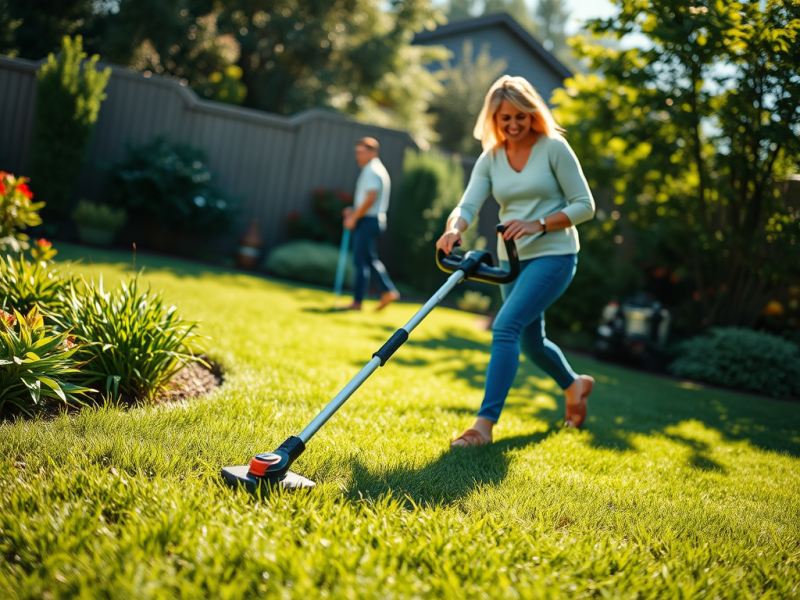
Reclaim Your Yard (And Your Sanity): Why a Quality Weed Trimmer is Your Secret Weapon
Okay, let’s have a real conversation about something nobody warned us about in our twenties: yard maintenance is expensive, time-consuming, and somehow always needs to be done at the worst possible moment. I’m 40, live alone, and I’m here to tell you that a quality weed trimmer is the difference between feeling like your property owns you versus actually enjoying your outdoor space.
The Reality Check: Yard Care Isn’t Optional
Whether you’re renting a house with a small yard, own your first condo with a patio, or finally bought that place with actual landscaping, overgrown edges and weeds don’t just look bad—they affect your property value, your neighbors’ opinions, and honestly? Your mental health.
I used to hire landscapers for everything, spending $200+ monthly for services that took them maybe 20 minutes. Then I realized I was literally paying someone else to use tools I could easily learn to use myself. Game changer.
Why Your Mower Isn’t Enough
Here’s what they don’t tell you: lawn mowers are great for the middle parts, but they can’t get close to fences, around trees, or along sidewalks and driveways. Those edges? That’s where weeds throw their parties and make your entire yard look neglected, even if you just mowed.
A quality weed trimmer (also called a string trimmer or weed eater) handles all the detail work that makes the difference between “someone lives here” and “someone actually takes care of this place.” It’s like the difference between washing your hair and actually styling it.
The Independence Factor
Let me paint you a picture: it’s Saturday morning, you’ve got plans, but you notice your yard looks shabby and your HOA is probably judging you. With a good weed trimmer, you can have crisp, clean edges around your entire property in 15-20 minutes. No scheduling landscapers, no waiting for your handy friend to be available, no paying weekend rates for professional services.
This is especially crucial for single homeowners. You shouldn’t have to depend on anyone else’s schedule or budget to maintain your space. Your property maintenance should fit into your life, not dominate it.
Battery vs. Gas: The Real Talk
I went through the learning curve so you don’t have to. Battery-powered trimmers have come a long way—they’re lighter, quieter, start instantly, and don’t require you to mess with gas mixing or pull-cord gymnastics. Perfect for most suburban yards and way more user-friendly.
Gas-powered trimmers are more powerful and better for larger properties or thick, stubborn growth, but they’re heavier, louder, and honestly more maintenance than most of us want to deal with. Unless you’ve got acreage or seriously overgrown areas, battery is the way to go.
ROI: Let’s Talk Numbers
Professional landscaping services: $150-300 per month. Quality battery weed trimmer: $100-250 one-time purchase. The math isn’t complicated. After two months, you’re saving money. After a year, you’ve probably saved enough to fund a weekend getaway.
Plus, there’s something deeply satisfying about looking at clean, precise edges that you created yourself. It’s immediate gratification with long-term benefits.
What Actually Matters When Shopping
- Runtime: Look for at least 45-60 minutes on a single charge
- Weight: If it’s too heavy, you won’t use it regularly
- Adjustable handle: Your back will thank you
- Easy string replacement: This shouldn’t require an engineering degree
- Variable speed: Different jobs need different power levels
The Confidence Boost You Didn’t Know You Needed
Here’s the unexpected benefit: when you can maintain your own outdoor space efficiently, you start seeing other home improvement projects as manageable instead of overwhelming. It’s a gateway drug to general home maintenance confidence.
You’ll find yourself thinking “I can handle this” instead of immediately reaching for your phone to call professionals. That mindset shift affects how you approach problems in general, not just yard work.
Bottom Line: Your Time and Money Matter
A quality weed trimmer isn’t just about lawn care—it’s about taking control of your living situation, saving money, and not being dependent on other people’s schedules for basic property maintenance. It’s about being able to spontaneously improve your outdoor space when the mood strikes, not when you can coordinate with a landscaping service.
Whether you’re 25 and renting your first house with a yard or 40 and tired of paying other people to do things you can easily learn yourself, this is one purchase that immediately improves both your property and your peace of mind.
Ready to Take Control of Your Edges?
Start by measuring your space and honestly assessing how much trimming you need to do. For most residential properties, a good battery-powered trimmer will handle everything you throw at it. Your yard, your wallet, and your Saturday morning schedule will all thank you.
Here’s a link to the one I use! My dad bought it for me after seeing me struggle with my old one…this has definitely been an upgrade and a game changer for my yard work!
Now excuse me while I go make my property lines look absolutely perfect. Because I can do that now.
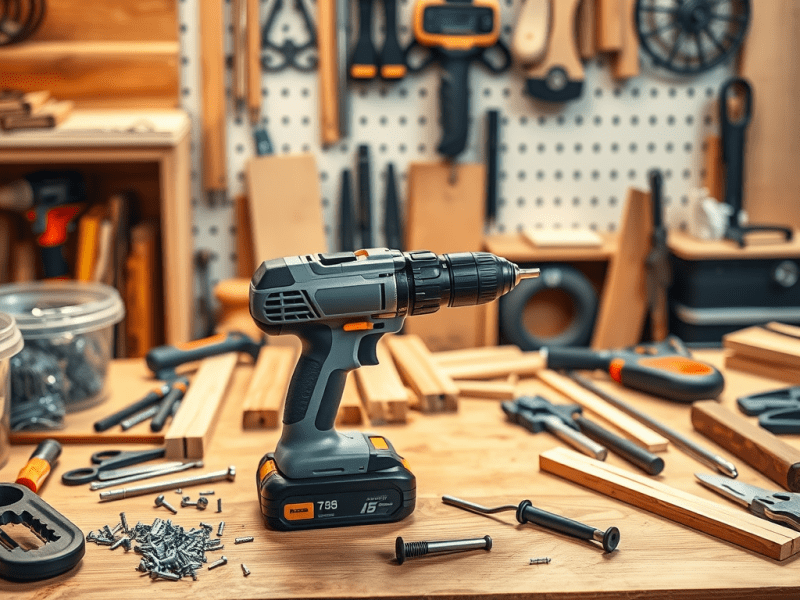
Your Independence Toolkit: Why Every Adult Needs a Cordless Drill (Yes, Even You)
Listen up, fellow adults who are tired of waiting for someone else to fix your life—it’s time we talk about the most underrated relationship you’ll ever have. Not with a person, but with a power tool that will literally change how you live: the cordless drill.
I’m 4, single, and live alone (well with my two labs). And let me tell you, the day I bought my first cordless drill was the day I stopped being at the mercy of other people’s schedules, availability, and sometimes questionable skill levels.
Why a Cordless Drill is Your New Best Friend
Remember that time you bought the “some assembly required” furniture and spent six hours with a manual screwdriver trying to build a bookshelf? Yeah, that’s not living your best life. A cordless drill turns that nightmare into a 30-minute project with time left over for actual fun activities.
But this isn’t just about furniture assembly (though honestly, that alone justifies the purchase). This is about freedom, independence, and never having to text your ex because you need help hanging a mirror.
Real Talk: The DIY Revolution is Here
Home improvement projects, basic repairs, decorating on your timeline—this is all adult stuff that doesn’t require a contractor or a handy friend who may or may not show up. With rental prices skyrocketing and home ownership feeling more like a distant dream for many, being able to make any space feel like your space is crucial for mental health.
Want to hang floating shelves for your plant collection? Done. Need to mount your TV so you can finally adult properly? Easy. That gallery wall you’ve been Pinterest-ing for two years? Stop procrastinating and make it happen.
The Confidence Factor
Here’s something nobody talks about: there’s a specific type of confidence that comes from being able to fix and create things with your own hands. When you can solve problems yourself, you stop feeling helpless in your own living space. You stop waiting for permission or help to make improvements.
I used to think power tools were intimidating, but modern cordless drills are designed for actual humans, not just people who grew up in workshops. They’re lightweight, intuitive, and honestly? Kind of fun to use. There’s something deeply satisfying about the sound of efficiency.
Money Talks: The Financial Benefits
Let’s do some quick math. Hiring someone to mount a TV: $100-200. Paying for furniture assembly: $50-150 per item. Having a handyperson hang a few pictures and shelves: $75-125. Meanwhile, a decent cordless drill costs $50-150 and pays for itself after literally one use.
Plus, when you can handle basic repairs yourself, you’re not dealing with scheduling conflicts, waiting around for service calls, or paying markup on simple fixes. Your time becomes your own again.
What to Look For (From Someone Who Learned the Hard Way)
- Battery life matters: Get something with at least 18V if you want to finish projects without constant charging breaks
- Variable speed control: Essential for different materials and screw types
- LED lights: You’ll thank me when you’re working in dim spaces
- Multiple bits included: Phillips head, flathead, and some basic drill bits will handle 90% of your needs
The Bottom Line
Your cordless drill isn’t just a tool—it’s an investment in your independence, your confidence, and your ability to create a living space that actually reflects who you are. It’s about not having to depend on anyone else’s timeline but your own.
Whether you’re 22 and furnishing your first real apartment or 35 and finally ready to tackle that home improvement project, this one purchase will change how you approach problems. Instead of “I need to find someone to do this,” you’ll start thinking “I can handle this myself.”
And honestly? That mindset shift is worth way more than the $100 you’ll spend on the drill.
Ready to Join the Cordless Revolution?
Start with one small project—maybe finally hanging those command strips properly or assembling that side table that’s been sitting in a box for three months. Once you experience the satisfaction of completing something efficiently and independently, you’ll wonder why you waited so long.
Trust me, your future self will thank you. And so will your bank account. Here’s a link to the one I have! I love DeWalt and have had nothing but great success with their products since my dad bought me one of their weed eaters…this post may also be my beginning of a power tool series!
Now if you’ll excuse me, I have some floating shelves to install. By myself. Because I can.

From Panic to Peace: How AirTags Transformed My Life as an Anxious Dog Parent (And Why My Therapy Clients Should Consider Them Too)
Deep breath. Okay, let me tell you about the night that changed everything. Picture this: 9:47 PM, I’m in my pajamas doing session notes when I realize I haven’t seen Banks, my anxious labrador, in over an hour. Cue the full-blown panic attack while I’m tearing through my house calling his name, only to find him stress-napping under my bed because of construction noise next door.
That night, lying awake at 2 AM with my heart still racing, I ordered AirTags.
The Therapist’s Perspective: Anxiety Loves the Unknown
As someone who spends my days helping others manage anxiety disorders, I know firsthand that our brains are wired to catastrophize. When we don’t know where our dogs are—even for a few minutes—our minds immediately jump to worst-case scenarios. The dog door malfunction becomes “my dog is lost forever.” A quiet afternoon nap becomes “something terrible has happened.”
This anticipatory anxiety doesn’t just affect us in the moment. It creates a constant low-level stress that impacts our daily functioning, our sleep, our ability to focus on other important things (like, you know, helping my clients work through their own anxiety).
The Dog Mom Reality Check
Let’s be honest—our dogs don’t always make the best decisions. My other pup, Denby, once squeezed through a fence gap I didn’t even know existed and decided to explore the wide open country roads before a kind neighbor found him.
Even with the most well-trained, microchipped dogs, things happen. Gates get left open, leashes break, that “my dog never does this” moment becomes your reality at the worst possible time.
How AirTags Actually Work for Real Life
Here’s what I wish someone had told me sooner: AirTags aren’t just for the “big scary scenarios.” They’re for everyday peace of mind. Now when I can’t find Banks during his post-dinner hiding ritual, I open the Find My app instead of spiraling into panic. When Denby is being unusually quiet in the backyard, I can check his location without abandoning my therapy session to investigate.
The precision finding feature has been a game-changer during camping trips and beach days. Instead of keeping my dogs on short leashes because of my anxiety, I can actually let them explore while knowing exactly where they are. It’s given me back the joy of watching them be dogs, instead of constantly managing my fear.
The Mental Health Benefits Are Real
What I didn’t expect was how much mental space this small change would free up. When you’re not constantly doing “dog headcounts” or listening for collar jingles, you can actually be present for other things. My sleep improved because I wasn’t doing 11 PM house searches. My work concentration got better because I wasn’t distracted by “where are my dogs right now” thoughts.
My clients have started sharing similar experiences. One mother of twin toddlers and a escape-artist husky said AirTags gave her permission to stop being hypervigilant every second. Another client with severe anxiety found that knowing her dog’s exact location during thunderstorms helped her manage her own storm anxiety.
Practical Tips from Someone Who Overthought This
- Get the waterproof holders—trust me on this one
- Update your contact info in the app regularly
- Test the sound feature when you first set it up (do this when your dog isn’t nearby if they’re noise-sensitive)
- Remember: this is a backup system, not a replacement for proper training and safety measures
The Bottom Line
As both a mental health professional and a devoted dog parent, I can tell you that managing anxiety isn’t about eliminating all uncertainty—it’s about reducing the uncertainties we can control so we have more capacity for everything else.
AirTags won’t fix separation anxiety or replace good training, but they can give you one less thing to worry about. And honestly? In a world full of things we can’t control, I’ll take every small peace of mind I can get.
Now excuse me while I go check the Find My app one more time… just because I can.
If you’re struggling with anxiety that impacts your daily life, consider speaking with a mental health professional. Sometimes the tools that help us care for our pets can also teach us about caring for ourselves.

Time for a Life Detox: Why Clearing Out Your Trash is the Ultimate Self-Care Move
Let’s be real—when was the last time you actually looked around your space and your life? I mean really looked. That pile of clothes that’s been living on your chair for three weeks, the toxic friend who only texts when they need something, the late-night doom scrolling that leaves you feeling worse about everything. It’s all trash, and it’s time to take it out.
Your Physical Space is Your Mental Space
Here’s the thing about clutter: it’s not just taking up room in your apartment—it’s taking up bandwidth in your brain. That overflowing trash can, the dishes in the sink, the random stuff scattered everywhere? Your mind is constantly processing all of it, even when you’re not consciously thinking about it.
Studies show that people living in cluttered environments have higher cortisol levels (that’s your stress hormone, for those keeping track). When you clean your space, you’re literally reducing your anxiety. It’s like hitting the reset button on your mental health.
Digital Detox: Your Phone Isn’t Your Friend Right Now
Your screen time report is probably calling you out harder than your bank account, and honestly? Good. That app that makes you feel inadequate, the news cycle that sends you spiraling, the endless scroll through people’s highlight reels—it’s all mental junk food.
Try this: unfollow accounts that don’t make you feel good about yourself. Yes, even if they’re “aesthetic.” Your peace of mind matters more than your feed looking curated. Set boundaries with social media like you would with a friend who always brings drama.
Relationship Trash Pickup
This one’s tough, but necessary. That person who only reaches out when they need something? The friend who makes every conversation about themselves? The situationship that’s going nowhere but taking up all your emotional energy? Sometimes people are seasonal, and that’s okay.
You don’t have to completely cut people off (though sometimes you do), but you can absolutely change how much access they have to your time and energy. Your mental health isn’t a democracy—you get to choose who gets a vote.
Bad Habits: The Trash That Keeps Coming Back
We all have those habits that felt good in the moment but leave us feeling worse later. Maybe it’s staying up too late, spending money you don’t have, or that thing you do when you’re anxious that actually makes the anxiety worse.
The key isn’t perfection—it’s awareness. Start small. Replace one bad habit with a neutral one. Instead of grabbing your phone first thing in the morning, drink a glass of water. Small changes compound into big transformations.
Why This Matters More Than Ever
Your twenties are basically life’s trial run, but the habits you build now? They’re setting the foundation for everything that comes next. Taking out the trash—literally and metaphorically—isn’t about having an Instagram-worthy life. It’s about creating space for the good stuff to actually happen.
When you remove what’s not serving you, you make room for what will. Better relationships, improved mental health, actual goals instead of just stress. You deserve to live in a life that feels good, not just one that looks good from the outside.
The Bottom Line
Cleaning up your life isn’t a one-time thing—it’s an ongoing practice, like brushing your teeth or charging your phone. But every time you take out the trash, whether it’s literal garbage or toxic patterns, you’re choosing yourself. And honestly? That’s the most adult thing you can do.
Here’s a great trash can for the literal trash in your life!
Ready to start your life detox? Begin with one area today. Your future self will thank you.
Looking for more support with mental health, anxiety management, or life transitions? Professional therapy can provide personalized strategies for creating positive change in your life. Remember: asking for help is a sign of strength, not weakness.
 Salt + Cedar Collective