Category: Therapy tools
-

Integrating Traditional Plant Wisdom into Modern Therapeutic Practice
As a therapist who believes in holistic wellness, I’ve found “Forgotten Home Apothecary” to be a valuable complement to my clinical work—not as a replacement for evidence-based treatment, but as a bridge to ancestral wisdom that can enhance overall well-being. This book reminds us that mental health is inseparable from physical wellness. The herbal preparations…
-

Treatment Planning
After years of practice, I still grab “The Complete Adult Psychotherapy Treatment Planner” regularly—it’s become an indispensable part of my clinical toolkit. I was first introduced to this handy tool while I was in grad school when we used it to learn how to write treatment plans for our clients. Comprehensive Coverage This resource covers…
-

Why Stress Balls Are My Secret Weapon
I’ve discovered that some of the most profound therapeutic moments happen when clients’ hands are busy. That’s why I keep a basket of stress balls within arm’s reach during every session—they’re far more than simple fidget toys. When an eight-year-old little girl first came to see me, she couldn’t sit still long enough to discuss…
-

Why My Therapy Office Looks Like a Toy Store
When new clients notice the fidget toys, art supplies, and stress balls scattered around my office, they often assume I only work with children. Then I watch a 45-year-old executive find their voice while molding Play-Doh, or see a withdrawn teenager open up during a game of Jenga. The therapeutic power of play doesn’t end…
-

The Magic of Emotion Puppets
After several years of working with children, I’ve learned that sometimes the most profound therapeutic breakthroughs happen when we speak in whispers and squeaky voices. That’s why office shelves are lined with emotion puppets—each one a gateway to helping young clients explore their inner worlds. Children often struggle to articulate complex feelings, especially when those…
-

Working Through Grief: How Structured Resources Make a Difference
Grief doesn’t follow a timeline, and it rarely unfolds in the neat stages we’ve been taught to expect. As someone who has sat with countless clients navigating loss, I’ve witnessed how isolating and overwhelming this journey can feel. While grief is deeply personal, having the right tools can provide much-needed structure during a time when…
-
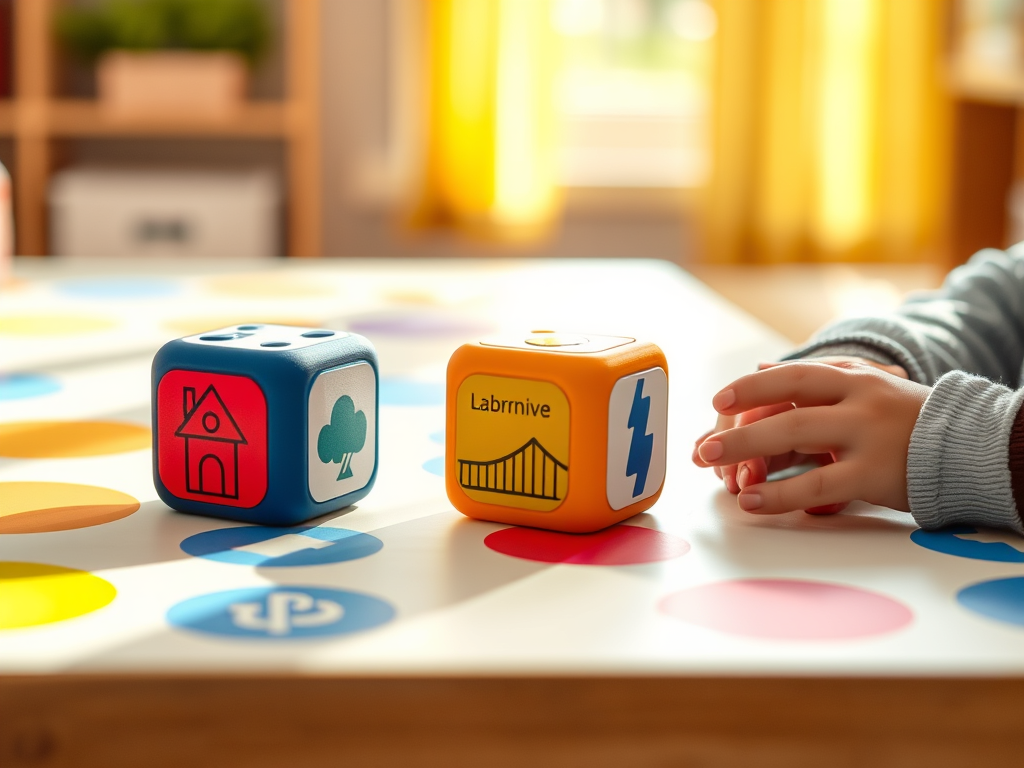
Unlocking Young Minds: How Rory’s Story Cubes Transform Communication in Therapy
In my practice working with children and adolescents, I’ve learned that direct questioning—”How are you feeling?” or “What happened at school?”—often leads to shrugs, one-word answers, or the dreaded “I don’t know.” Children’s inner worlds are rich and complex, but accessing them requires creativity and patience. This is where Rory’s Story Cubes have become one…
-

The Let Them Theory
I consistently recommend Mel Robbins’ “The Let Them Theory” to clients struggling with anxiety, people-pleasing behaviors, and boundary issues. This powerful mental health book offers a revolutionary approach to reducing stress and improving emotional well-being by teaching readers to release control over others’ actions and opinions. The Let Them Theory provides practical strategies for managing…
 Salt + Cedar Collective