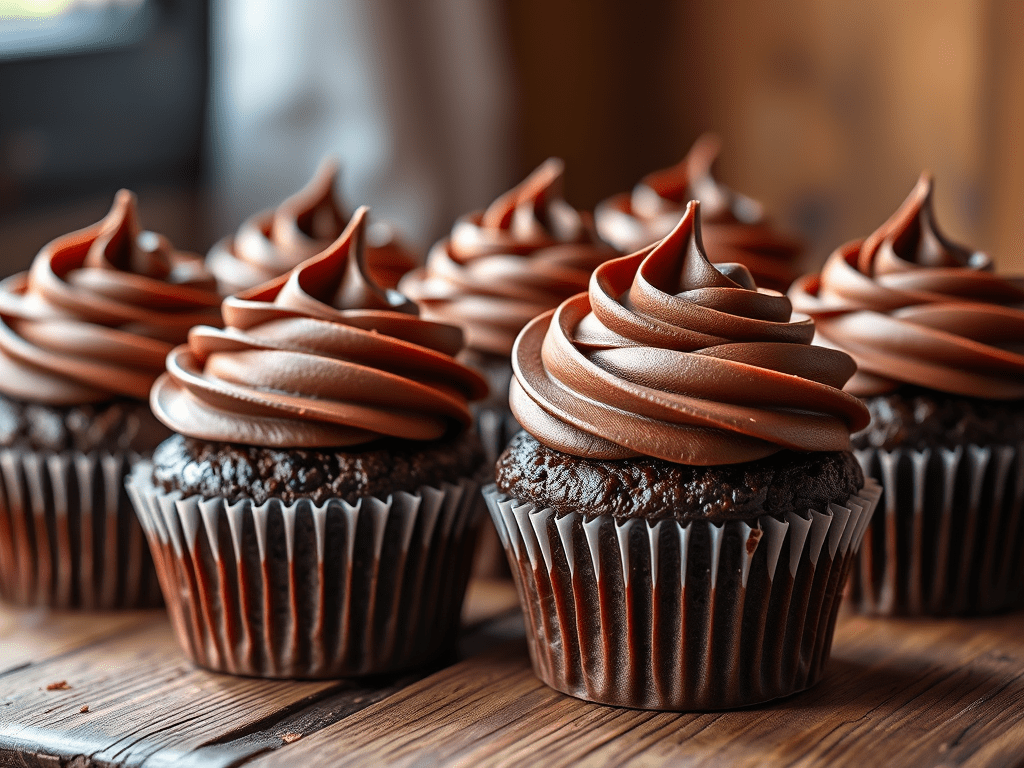
National Chocolate Cupcake Day: A Celebration of the Dessert That’s Always There For You
October 18th is National Chocolate Cupcake Day, and if that’s not a reason to eat cake for breakfast, I don’t know what is.
Let’s talk about the chocolate cupcake – the individually portioned, perfectly frosted, socially acceptable way to eat an entire cake by yourself. It’s personal-sized joy in paper wrapper form. It doesn’t judge you for eating three in one sitting. It’s always appropriate, whether you’re celebrating, commiserating, or just existing on a Tuesday.
The chocolate cupcake is the friend who shows up when you need them, asks no questions, and makes everything better. And today, we celebrate this hero.
The Cupcake Origin Story: It’s Older Than You Think
Cupcakes have been around since the late 1700s, but they weren’t called “cupcakes” initially. They were “number cakes” or “1234 cakes” because the recipe was easy to remember: 1 cup butter, 2 cups sugar, 3 cups flour, 4 eggs. Math you can actually use.
The name “cupcake” came from two possible origins:
Theory 1: They were originally baked in cups (teacups, ramekins, whatever was around) instead of cake pans. Cup + cake = cupcake. Revolutionary naming strategy.
Theory 2: The measurements were in cups, making them easy to remember and scale. Either way, someone looked at a cake and said, “What if we made this personal?” and changed dessert history forever.
The chocolate cupcake specifically? That came later, once cocoa powder became widely available in the 1800s. Before that, chocolate was primarily a drink. Imagine living in a world without chocolate cupcakes. Dark times.
Fun fact: The first known reference to a “chocolate cupcake” in print was in a 1904 cookbook. We’ve been perfecting them ever since.
Why Chocolate Cupcakes Hit Different Than Regular Cake
Here’s the thing about cupcakes that people don’t talk about enough: they’re objectively better than regular cake in several ways.
Reason #1: The frosting-to-cake ratio is superior A slice of cake might have frosting on top and between layers, but a cupcake? That’s a dome of cake with a crown of frosting. The ratio is chef’s kiss. Every bite includes cake AND frosting. No dry corner pieces. No weird middle slices with too little frosting. Just perfectly balanced dessert engineering.
Reason #2: The edges are the best part That slightly crispy, caramelized edge where the batter meets the wrapper? Perfection. You don’t get that in a regular cake slice. It’s a texture experience unique to the cupcake.
Reason #3: Portion control (or lack thereof) “I’ll just have one cupcake” is socially acceptable. “I’ll just eat an entire cake” gets you concerned looks. But functionally? Four cupcakes IS a small cake. The cupcake provides plausible deniability for your dessert choices.
Reason #4: No utensils required Cupcakes are finger food. Fancy finger food, but finger food nonetheless. You can eat them standing up, walking around, in your car, at your desk. Try that with a slice of layer cake and you’re asking for trouble.
Reason #5: Freshness One cupcake is always fresh. A cake sits around getting cut into, exposed to air, drying out. The cupcake maintains its integrity from first bite to last.
The Great Frosting Debate: What Belongs on a Chocolate Cupcake?
This is where things get controversial. People have OPINIONS.
Team Chocolate-on-Chocolate: “Why would you put anything other than chocolate frosting on a chocolate cupcake? Double down. Commit to the chocolate. This is not the time for half measures.”
Pros: Rich, decadent, chocolate overload in the best way Cons: Can be almost too rich (is that possible? the debate rages on) Best for: Serious chocolate lovers, midnight snacks, emotional eating
Team Vanilla Buttercream: “The vanilla provides contrast. It’s sophisticated. It lets the chocolate cake shine without competing. It’s the perfect complement.”
Pros: Balanced flavor profile, not overwhelmingly sweet, classic combo Cons: Team Chocolate thinks you’re a cowardBest for: People who appreciate nuance, traditionalists, pairing with coffee
Team Cream Cheese Frosting: “The tanginess cuts through the richness. It’s what chocolate cupcakes were meant for but didn’t know they needed.”
Pros: Tangy, creamy, adds complexity, not too sweet Cons: Some people think cream cheese frosting belongs exclusively on red velvet or carrot cake Best for: People who like balance, cream cheese frosting enthusiasts (it’s a lifestyle)
Team Peanut Butter: “Chocolate and peanut butter is a flavor combination that transcends debate. If you know, you know.”
Pros: Salty-sweet perfection, Reese’s energy, protein (we’re pretending) Cons: Allergy concerns at parties, extremely richBest for: PB&chocolate loyalists, people who eat Reese’s for breakfast
Team Salted Caramel: “Sweet, salty, luxurious. This is the gourmet option that makes people say ‘wow’ out loud.”
Pros: Instagram-worthy, complex flavor, feels fancy Cons: Can be sticky, harder to make at home Best for: Impressing people, special occasions, treating yourself
The truth? All of these are correct. There’s no wrong answer. This is a judgment-free zone. Eat your chocolate cupcake however makes you happy.
The Art of the Perfect Chocolate Cupcake: What Separates Good from Transcendent
Not all chocolate cupcakes are created equal. Here’s what makes the difference:
The Cake Itself:
Moisture is everything. A dry chocolate cupcake is a crime against dessert. The best chocolate cupcakes are tender, moist (yes, that word), and almost fudgy. This comes from:
- Using oil instead of butter (controversial but effective)
- Adding sour cream, yogurt, or buttermilk for tanginess and moisture
- Using hot coffee or hot water to bloom the cocoa powder (intensifies chocolate flavor)
- Not overbaking (pull them out when they just stop jiggling)
Real chocolate matters. Using both cocoa powder AND melted chocolate creates depth. Cocoa powder gives you that classic chocolate cake flavor. Melted chocolate adds richness and complexity.
The crumb should be tender but not mushy. You want it to hold together when you bite it but dissolve on your tongue. It’s a delicate balance achieved through proper mixing and not overdeveloping the gluten.
The Frosting:
Texture is key. Buttercream should be fluffy and pipeable but not grainy. Cream cheese frosting should be tangy and smooth. Ganache should be glossy and thick enough to hold its shape.
Sweetness balance. Frosting should enhance, not overwhelm. If your frosting makes your teeth hurt, it’s too sweet. Add a pinch of salt. Use quality ingredients. Taste as you go.
Application matters. That swirl on top? It’s not just aesthetic. It increases surface area, which means more frosting per bite. Science.
Chocolate Cupcake Variations That’ll Blow Your Mind
Once you’ve mastered the classic, it’s time to get weird (in the best way).
The “I’m Fancy Now” Options:
Molten Lava Center: Bake a piece of chocolate truffle or a chocolate square into the center. When someone bites in, it oozes. Dramatic. Delicious. Instagram gold.
Espresso Chocolate: Add instant espresso powder to your batter. Coffee enhances chocolate flavor without making it taste like coffee. It’s flavor chemistry magic.
Mexican Hot Chocolate: Add cinnamon and a pinch of cayenne to the batter. Top with cinnamon buttercream. Sweet, spicy, complex.
Salted Dark Chocolate: Use dark cocoa powder, add sea salt to the batter and sprinkle flaky salt on top. For the sophisticated palate (or anyone who likes Trader Joe’s dark chocolate peanut butter cups).
The “Childhood Nostalgia” Options:
Cookies and Cream: Chocolate cupcake with crushed Oreos in the batter, vanilla frosting, Oreo on top. It’s like your childhood had a glow-up.
S’mores: Top with toasted marshmallow frosting and graham cracker crumbs. Bonus points if you torch the marshmallow with a kitchen torch like you’re on a cooking show.
Chocolate Peanut Butter Cup: Put a mini Reese’s in the batter before baking, top with peanut butter frosting and another Reese’s. This is not subtle. This is not apologetic. This is commitment.
Brownie Batter: Make them extra dense and fudgy, underbake slightly, top with chocolate ganache. It’s like a brownie and cupcake had a baby.
How to Eat a Cupcake: There Are Rules (Kind of)
Method 1: The Top-Down Approach Peel the wrapper, eat from top to bottom. Classic. Straightforward. No notes.
Method 2: The Sandwich Method Remove the wrapper, tear the bottom off, place it on top of the frosting to create a cupcake sandwich. This ensures frosting in every bite and keeps your nose clean. Game-changer for some, unnecessary for others.
Method 3: The Frosting-First Method Lick/eat all the frosting first, then eat the cake. If this is you, you’re chaos incarnate and I respect that.
Method 4: The Surgical Approach Use a fork and knife to dissect it into pieces. Fancy. Formal. Possibly psychotic depending on the setting.
Method 5: The Unhinge-Your-Jaw Method Try to bite the whole top off at once like a python. Messy. Ambitious. Frosting ends up on your nose. Living your truth.
The correct method? Whichever one brings you joy. This is your cupcake journey.
The Economics of Cupcakes: Why Do They Cost So Much?
Real talk: why does a single cupcake at a bakery cost $4-6 when you can make a dozen at home for less than $10?
Here’s the actual breakdown:
Ingredients: Quality butter, real vanilla, good chocolate – these aren’t cheap. Bakeries often use premium ingredients that cost more than grocery store basics.
Labor: Someone mixed that batter, filled those liners, monitored the baking, made the frosting from scratch, and piped it perfectly. That’s skilled labor.
Overhead: Rent, utilities, equipment, packaging, licensing. Running a bakery is expensive.
The art factor: That perfectly swirled frosting? That decorative detail? That flavor combination? Someone developed that recipe and perfected that technique.
Is it worth it? Sometimes absolutely yes. Supporting local bakeries, getting a perfectly executed dessert you didn’t have to make, treating yourself – all valid reasons to pay $5 for a cupcake.
Is homemade better? Depends on your skill level and the bakery. Homemade gives you control and costs less. Bakery gives you professional quality and zero cleanup. Both have their place.
How to Celebrate National Chocolate Cupcake Day
Level 1: The Participant Buy a chocolate cupcake. Eat it. Enjoy it. You’ve participated. Gold star.
Level 2: The Enthusiast Try a chocolate cupcake from a new bakery you’ve never been to. Make it an adventure. Rate it. Compare it to your favorites. Become a cupcake critic.
Level 3: The Baker Make chocolate cupcakes from scratch. Try a new recipe. Experiment with frosting flavors. Share them with friends, neighbors, coworkers. Spread the joy.
Level 4: The Scientist Make multiple batches with different variables. Different cocoa powders. Oil vs. butter. Various frosting styles. Document your findings. Eat all the research. It’s for science.
Level 5: The Party Planner Host a cupcake decorating party. Everyone makes their own. Provide toppings, frostings, sprinkles, candy. Let chaos reign. Take photos. Create memories.
The Bottom Line
Chocolate cupcakes are perfect. They’re portion-controlled indulgence, they’re socially acceptable to eat alone or in groups, they’re endlessly customizable, and they’re always appropriate.
Bad day? Chocolate cupcake. Good day? Chocolate cupcake. Regular day? Chocolate cupcake. There’s no situation that isn’t improved by a chocolate cupcake.
So on October 18th – and honestly, any day you want – celebrate the chocolate cupcake. Make them, buy them, eat them, share them, or hoard them. No judgment.
Life is short. Eat the cupcake. Preferably with chocolate frosting, but I’ll accept all answers.
Happy National Chocolate Cupcake Day. May your frosting swirls be perfect and your cake be moist. 🧁
What’s your chocolate cupcake stance? Team chocolate-on-chocolate or team vanilla frosting? Do you have a secret cupcake recipe? Or are you firmly team “I’ll just buy them”? Drop your cupcake takes below. Let’s debate frosting choices like adults.

 Salt + Cedar Collective