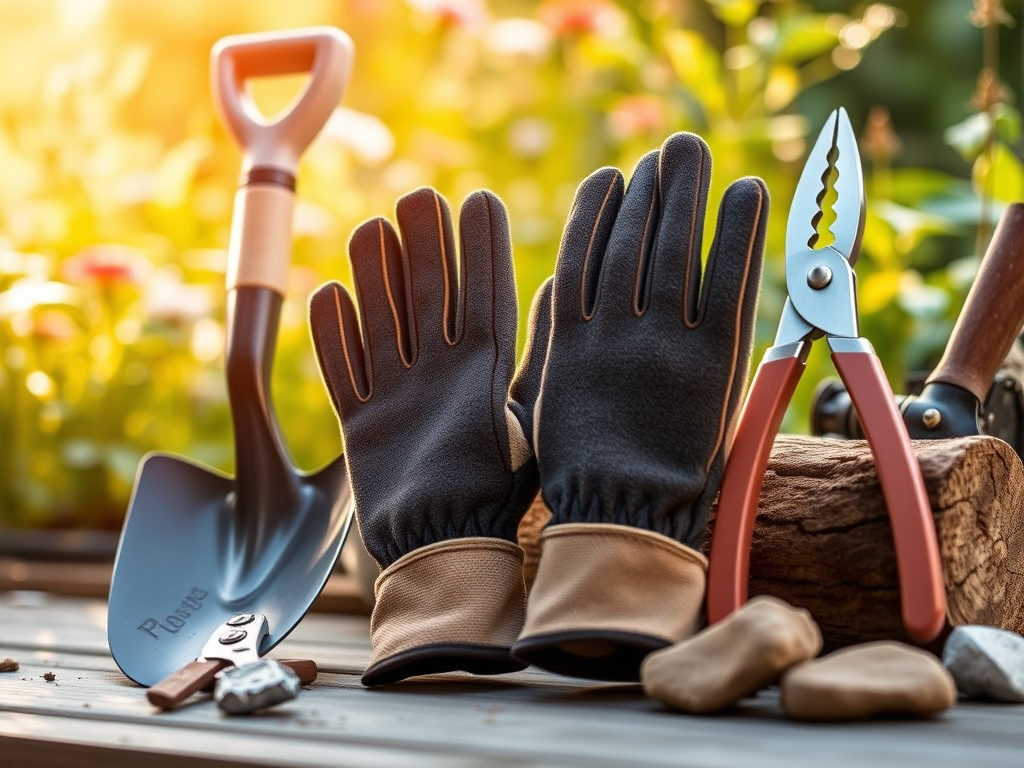
Look, I get it. Work gloves seem like something your dad would get excited about at Home Depot. They’re not exactly the hottest purchase when you’re standing in the aisle trying to figure out which ones to grab for your weekend project.
But here’s the truth bomb: good work gloves are the difference between finishing your outdoor project feeling like a capable human and ending it with shredded hands that hurt every time you open a door for the next week.
The Wake-Up Call
Let me paint you a picture. You decide to build a fire pit in the backyard. Or maybe you’re finally tackling that overgrown garden. Perhaps you volunteered to help a friend move and there’s a lot of wood and metal involved. You think, “Eh, I’ll be fine without gloves. It’s not that serious.”
Fast forward two hours: your hands look like you fought a cheese grater and lost. There’s a splinter the size of a toothpick lodged under your thumbnail. Your palms are covered in blisters. You’ve got a mysterious cut that’s definitely going to leave a scar. And you still have to finish the project because you’re not a quitter.
This is your villain origin story, and it was completely preventable.
What Makes a Glove Actually Good?
Not all work gloves are created equal, and the $3 flimsy ones from the bargain bin are basically just glorified hand decorations. Here’s what separates the real MVPs from the pretenders:
Protection That Actually Protects Quality gloves shield you from the unholy trinity of outdoor work: cuts, punctures, and scrapes. Whether you’re handling rough lumber, wrestling with thorny bushes, or moving rocks that would love nothing more than to take a chunk out of your hand, good gloves create a barrier between you and the chaos.
Grip That Doesn’t Quit Ever tried to hold a shovel with cheap gloves that turn into slip-n-slides the second you break a sweat? Quality gloves have textured palms and fingers that actually grip what you’re holding. You’re not constantly readjusting or white-knuckling every tool like your life depends on it.
Durability Cheap gloves fall apart after one serious project. Quality gloves are your long-term relationship—they stick around, get better with time, and actually save you money because you’re not replacing them every month.
Comfort If your gloves feel like you’re wearing cardboard mittens, you’re going to take them off. And then we’re back to the cheese-grater hands situation. Good gloves fit properly, flex with your hands, and don’t make you feel like you’re wearing oven mitts while trying to pick up a nail.
When You Actually Need Them
Gardening & Landscaping Thorns, splinters, dirt that somehow gets everywhere, and the occasional angry insect. Your hands are ground zero for all of nature’s little surprises. Quality gloves turn gardening from a hand-destroying nightmare into something you might actually enjoy.
Building & Construction Projects Wood, metal, concrete, power tools—basically everything in construction is designed to hurt you if you’re not careful. Gloves are your first line of defense against materials that have zero chill.
Yard Work Raking leaves sounds innocent until you realize you’re getting blisters from a rake handle. Trimming branches? Those sharp ends don’t care about your TikTok scrolling hands. Moving rocks or pavers? Your fingers will appreciate not being crushed.
Automotive Work Car parts are sharp, hot, covered in chemicals, or all three. Plus, oil and grease make everything slippery. Good gloves protect you from cuts while giving you the grip you need.
Outdoor Adventures Setting up camp, gathering firewood, handling rough rope—even recreational outdoor stuff benefits from having gloves handy. Nobody wants to spend their camping trip nursing rope burn.
Types of Gloves for Different Vibes
Leather Work Gloves The classics. Durable, protective, get better with age like a good pair of boots. Great for heavy-duty work, construction, and when you need maximum protection. They’re like the denim jacket of work gloves—timeless and reliable.
Synthetic/Rubber-Coated Gloves Flexible, great grip, usually more affordable. Perfect for general yard work, gardening, and projects where you need dexterity. These are your everyday workhorse gloves.
Nitrile-Coated Gloves Chemical-resistant and great for automotive work or anything involving liquids you don’t want touching your skin. They’re like a force field for your hands.
Cut-Resistant Gloves For when you’re working with really sharp stuff or power tools. They have special fibers that resist cuts. Think of them as armor for your hands.
Gardening Gloves Usually lighter weight with extra protection at the fingertips and palms. Some even have long cuffs to protect your wrists from thorns and scratches. Your flower-planting, weed-pulling, mulch-spreading best friend.
The Real Cost Breakdown
Here’s the math that matters:
Cheap gloves: $3-5, last maybe 2-3 projects, feel terrible, provide minimal protection Annual cost if you do projects regularly: $30-50+
Quality gloves: $15-30, last for years, actually protect you, comfortable enough to wear all day Annual cost: $15-30 (one-time purchase that lasts)
Plus, what’s the cost of medical attention for a nasty cut or infected splinter? Or the productivity you lose when your hands hurt too much to text, game, or do literally anything for days?
Quality gloves aren’t an expense—they’re an investment in not hating your life.
Pro Tips for Maximum Hand Protection
Size Actually Matters Gloves that are too big will bunch up and slip off. Too small and they’ll restrict movement and probably rip. Try them on if you can, or check the sizing chart. Your hands deserve a proper fit.
Break Them In New leather gloves can be stiff. Wear them around for a bit before your big project. Flex your hands, make fists, get them molded to your movement. They’ll perform better and feel more comfortable.
Keep Them Dry Wet gloves = sad, useless gloves. If they get soaked, let them air dry completely. Bacteria and funk love moisture, and nobody wants to put on damp gloves that smell like a gym locker.
Have Backups One pair for heavy construction, one for gardening, maybe one for general use. You don’t wear the same shoes for every activity—same logic applies to gloves.
Know When to Replace Them Holes, tears, worn-through palms—these are signs your gloves have served their time. Don’t try to squeeze one more project out of gloves that are literally falling apart.
The Bottom Line
You’ve got projects to finish, outdoor work to tackle, and things to build. Your hands are literally your primary tools for making things happen. Protecting them isn’t being soft or over-prepared—it’s being smart.
Quality work gloves are one of those purchases that seem boring until you actually need them, and then you can’t believe you ever went without. They’re right up there with a good headlamp, a decent multi-tool, and waterproof boots on the list of “things that make outdoor work way less miserable.”
So next time you’re gearing up for a project, skip the bottom-shelf gloves that’ll disintegrate after one use. Invest in a pair that’ll actually protect your hands and last. Your future self—the one who can still text, game, and high-five without wincing—will be incredibly grateful.
Now get out there and build something cool. Just do it with your hands properly protected, yeah?
What’s the gnarliest hand injury you’ve gotten from outdoor work? Drop your horror stories in the comments and let’s all learn from each other’s mistakes.

 Salt + Cedar Collective