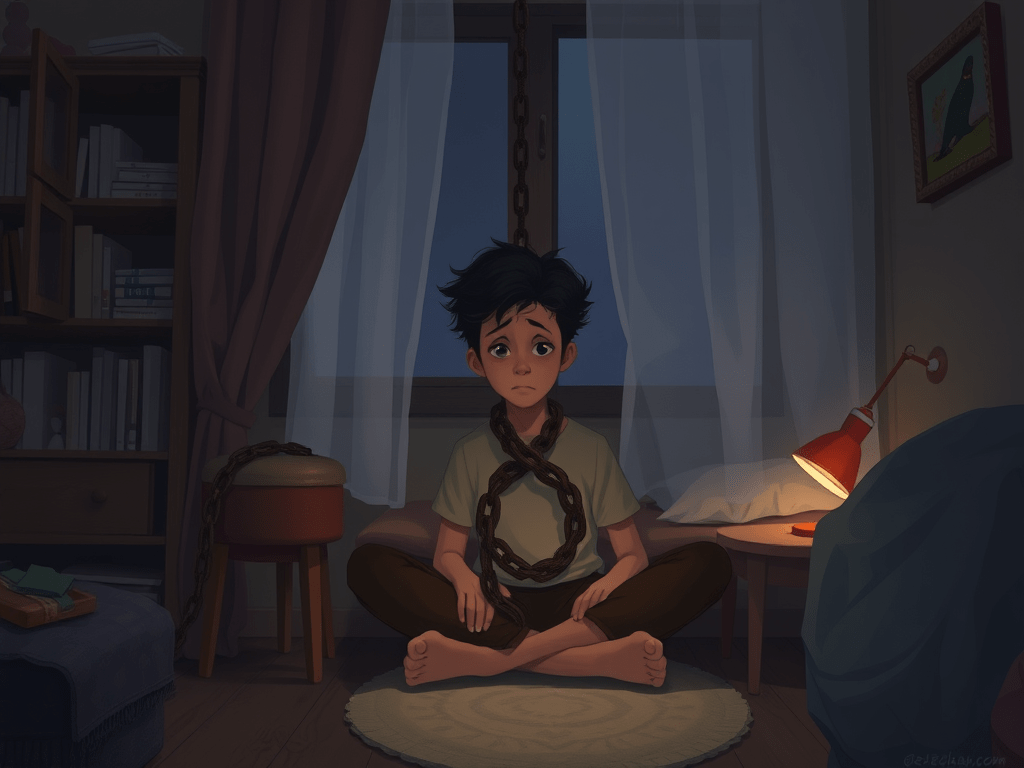
You know that knot in your stomach when your partner leaves for a work trip? The panic that creeps in when your best friend doesn’t text back for a few hours? That suffocating feeling when you’re alone in your apartment and can’t shake the worry that something terrible has happened to the people you love?
Yeah, that might be separation anxiety—and it’s way more common than you think.
What Even Is Separation Anxiety?
Most people associate separation anxiety with little kids clinging to their parents on the first day of school. But here’s the truth: separation anxiety doesn’t care about your age. It can hit teenagers worrying about their parents’ safety, college students struggling to be away from home, or adults who feel paralyzed when their partner goes out without them.
At its core, separation anxiety is an intense fear of being apart from specific people or places. It’s not just missing someone—it’s a deep, overwhelming dread that something bad will happen if you’re separated, or that the separation itself is unbearable.
What It Actually Feels Like
Separation anxiety shows up differently for everyone, but some common experiences include:
Physically, you might deal with headaches, stomachaches, nausea, or that tight-chest feeling that makes it hard to breathe. Some people experience full-blown panic attacks when facing separation.
Mentally, your brain becomes a highlight reel of worst-case scenarios. What if they get in an accident? What if they forget about me? What if I need them and they’re not there? These thoughts can become so loud that they drown out everything else.
Behaviorally, you might find yourself constantly texting or calling to check in, avoiding sleepovers or trips, making excuses to stay home, or needing excessive reassurance that everything’s okay. You might even feel physical symptoms that “conveniently” appear right when you’re supposed to be separated from someone important.
Why This Happens
Separation anxiety isn’t a personality flaw or a sign of weakness. It often develops from a mix of factors: past experiences with loss or trauma, significant life changes, attachment patterns formed in childhood, or even just your brain chemistry. Sometimes it appears out of nowhere. Sometimes there’s a clear trigger.
The important thing to understand is that your brain is trying to protect you. It’s just working overtime and sending out false alarms, treating normal separations like legitimate threats.
The Real Impact
Left unaddressed, separation anxiety can seriously mess with your life. It can strain relationships—nobody wants to feel like they’re on a leash, and you don’t want to be the person holding it. It can limit your opportunities, keeping you from taking that job, going to that school, or having experiences that could genuinely make you happy. It can lead to depression, other anxiety disorders, or social isolation.
But here’s the good news: it’s treatable.
Getting Help (And Why You Should)
If separation anxiety is running your life, you don’t have to tough it out alone. Here’s how to start:
Talk to someone you trust. Sometimes just naming what you’re going through can take away some of its power. A parent, friend, school counselor, or trusted adult can be a starting point.
See a therapist. Cognitive Behavioral Therapy (CBT) is incredibly effective for separation anxiety. A therapist can help you identify thought patterns that fuel the anxiety and teach you coping strategies that actually work. They’ll work with you at your pace, gradually building your tolerance for separation in a safe, supported way.
Consider medication. For some people, medication can help manage the physical symptoms while they work on the psychological aspects in therapy. This is something to discuss with a psychiatrist or doctor.
Practice self-care strategies. While these aren’t substitutes for professional help, things like deep breathing exercises, mindfulness, journaling, and gradually exposing yourself to small separations can help build your resilience over time.
You’re Not Broken
If you’re reading this and thinking “oh god, that’s me,” take a breath. Separation anxiety doesn’t mean you’re needy, broken, or immature. It means you’re human, you care deeply about the people in your life, and your nervous system needs some recalibration.
The courage isn’t in pretending you’re fine when you’re not. The courage is in admitting you’re struggling and reaching out for support. Millions of people deal with this, and millions of people have learned to manage it and reclaim their independence.
Ready to take the first step? Talk to your doctor, reach out to a therapist through directories like Psychology Today or TherapyDen, or contact a crisis line if you’re in immediate distress. Many schools and workplaces offer free counseling services. Telehealth makes therapy more accessible than ever.
You deserve to feel secure in yourself and your relationships. You deserve to say goodbye without it feeling like the end of the world. Help is out there, and getting it might be the most important gift you ever give yourself.
If you’re experiencing a mental health crisis, text HOME to 741741 (Crisis Text Line) or call 988 (Suicide & Crisis Lifeline). You’re not alone.

 Salt + Cedar Collective