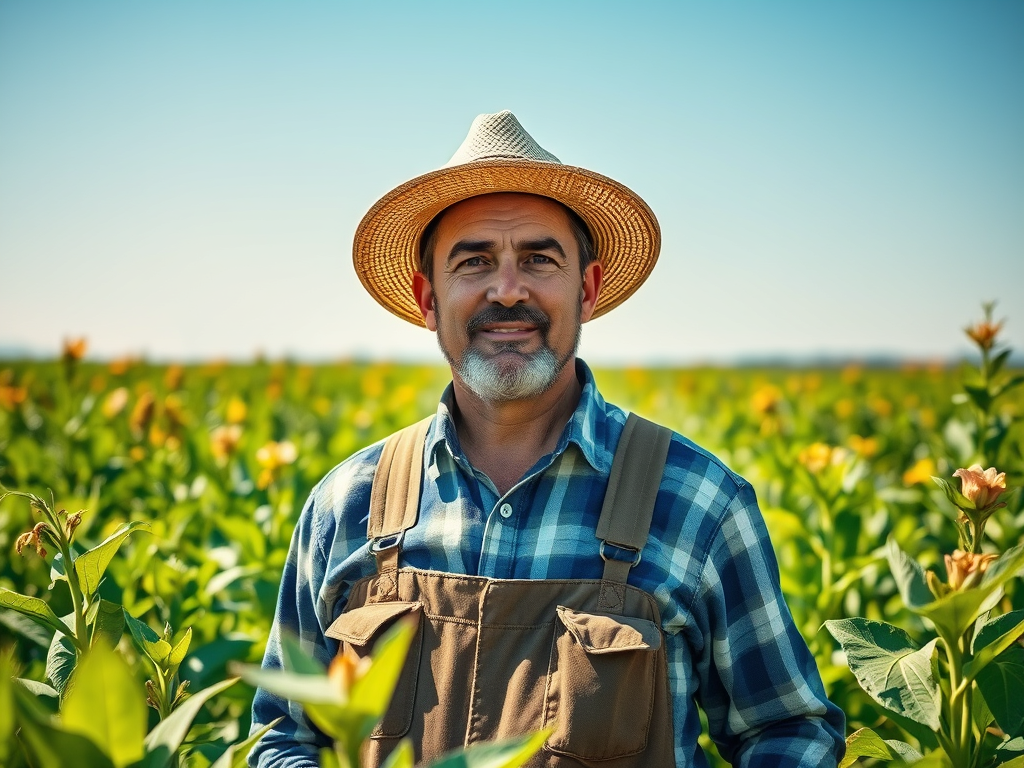
October 12th isn’t just another day on the calendar—it’s the day we celebrate the people who literally keep us alive.
Let’s be real: When was the last time you thought about where your food actually comes from?
If you’re like most people, your answer involves a grocery store, a drive-thru window, or that magical app that delivers whatever you’re craving to your doorstep in thirty minutes. We’ve become so disconnected from our food sources that it’s easy to forget there are actual humans—farmers—working brutal hours in all kinds of weather to make sure we have something to eat.
National Farmer’s Day on October 12th is our annual reminder to pause, recognize, and appreciate the people who feed not just America, but much of the world. And trust me, they deserve way more credit than they’re getting.
The Reality Check We All Need
Here’s a stat that should wake us up: Farmers make up less than 2% of the U.S. population, yet they feed the other 98%—plus millions more around the globe.
Think about that. One farmer today feeds approximately 165 people. Your breakfast, lunch, dinner, and those late-night snacks? All made possible by a tiny fraction of the population working jobs most of us couldn’t last a week doing.
And it’s not getting easier. The average age of American farmers is now nearly 60 years old. Young people aren’t exactly lining up to take over family farms, which means we’re facing a potential crisis in who’s going to grow our food in the coming decades.
This isn’t some distant problem. This is about whether your kids will have access to affordable, quality food.
What Farmers Are Actually Dealing With
Let’s talk about what modern farming looks like, because it’s nothing like the pastoral Instagram aesthetic we imagine.
The Financial Tightrope
Farming is one of the few businesses where you have almost no control over your income. Crop prices fluctuate based on global markets. Weather can wipe out a year’s income in a single afternoon. Equipment costs hundreds of thousands of dollars. Land prices are skyrocketing. And profit margins? Often razor-thin or nonexistent.
Many farmers work second jobs just to keep their farms afloat. They’re not driving luxury cars or taking lavish vacations—they’re reinvesting everything back into their land, their equipment, and their animals.
The Physical Toll
Farming is ranked as one of the most dangerous occupations in America. We’re talking heavy machinery, unpredictable animals, extreme weather conditions, and physical labor that would put most gym workouts to shame.
Farmers don’t get weekends off. Cows need milking every single day. Crops don’t care that it’s your birthday. During harvest season, 16-hour days are the norm, not the exception.
The Mental Health Crisis
Here’s something that doesn’t get talked about enough: farmers have some of the highest rates of stress, anxiety, and depression of any profession. The financial uncertainty, social isolation, and pressure of literally feeding communities weighs heavy. And yet, they keep showing up.
Why This Matters to YOU
“Okay,” you might be thinking, “but I live in the city. How does this affect me?”
In every possible way.
Food Security Is National Security
When farms fail, food prices skyrocket. We saw this during the pandemic when supply chains got disrupted. Remember empty grocery shelves? That wasn’t a supply problem—it was a reminder of how fragile our food system actually is.
Supporting farmers means ensuring that you’ll have consistent access to affordable food. Period.
Local Economies Thrive or Die With Farms
For every dollar spent on local farms, multiple dollars circulate through local communities. Farmers buy equipment from local dealers, hire local workers, and shop at local businesses. When farms disappear, rural communities hollow out. And that affects housing markets, job availability, and economic health everywhere.
Environmental Stewardship
Contrary to some narratives, most farmers are incredible environmentalists—their livelihoods literally depend on healthy soil, clean water, and sustainable practices. Many are pioneers in conservation, regenerative agriculture, and renewable energy. They’re not the problem; they’re often leading the solution.
Food Quality and Safety
The closer you are to your food source, the more control you have over what you’re eating. Local farmers often use fewer chemicals, provide fresher products, and offer transparency that you’ll never get from industrial food systems.
Five Real Ways to Support Farmers (That Actually Make a Difference)
1. Shop at Farmers Markets
Yeah, it’s a bit more effort than hitting Target, but farmers markets give 100% of your money directly to the people growing your food. No middlemen, no corporate markup. Plus, the food is fresher, often tastes better, and you can actually talk to the person who grew it.
Pro tip: Go near closing time and you can often snag deals as farmers would rather sell products than haul them back.
2. Join a CSA (Community Supported Agriculture)
This is basically a subscription box, but for fresh produce from local farms. You pay upfront for a season’s worth of harvests, which gives farmers capital when they need it most, and you get regular deliveries of whatever’s in season. It’s a win-win.
3. Choose Local When You Can
Not everything needs to be local (nobody’s growing coffee beans in Wisconsin), but when you’re buying meat, dairy, produce, or eggs, check the label. Many grocery stores now clearly mark local products. Buying local keeps your money in your community and reduces the environmental impact of shipping food across the country.
4. Reduce Food Waste
Americans waste roughly 40% of the food we produce. Let that sink in. Farmers worked their tails off to grow that food, and we’re just… throwing it away.
Plan your meals, use your leftovers, compost what you can’t eat. Respecting food is respecting the farmer who produced it.
5. Learn and Share Their Stories
Follow some farmers on social media. Watch documentaries about modern agriculture. Visit a working farm if you get the chance. Then talk about it. Share what you learn. The more people understand what farming actually involves, the more support farmers will get at policy and community levels.
The Bottom Line
National Farmer’s Day isn’t about sentimentality or nostalgia for some imagined simpler time. It’s about recognizing that the people who feed us are facing real challenges, and they need our support—not just our thanks.
Every single meal you eat connects you to a farmer somewhere. That’s not a metaphor. That’s a fact.
So on October 12th (and honestly, every day after), take a moment to appreciate the people who make your life possible. Then take it a step further and actually support them with your choices and your voice.
Because here’s the truth: We all eat. That makes agriculture everyone’s concern.
What’s one way you’ll support farmers this week? Let’s hear it in the comments.

 Salt + Cedar Collective