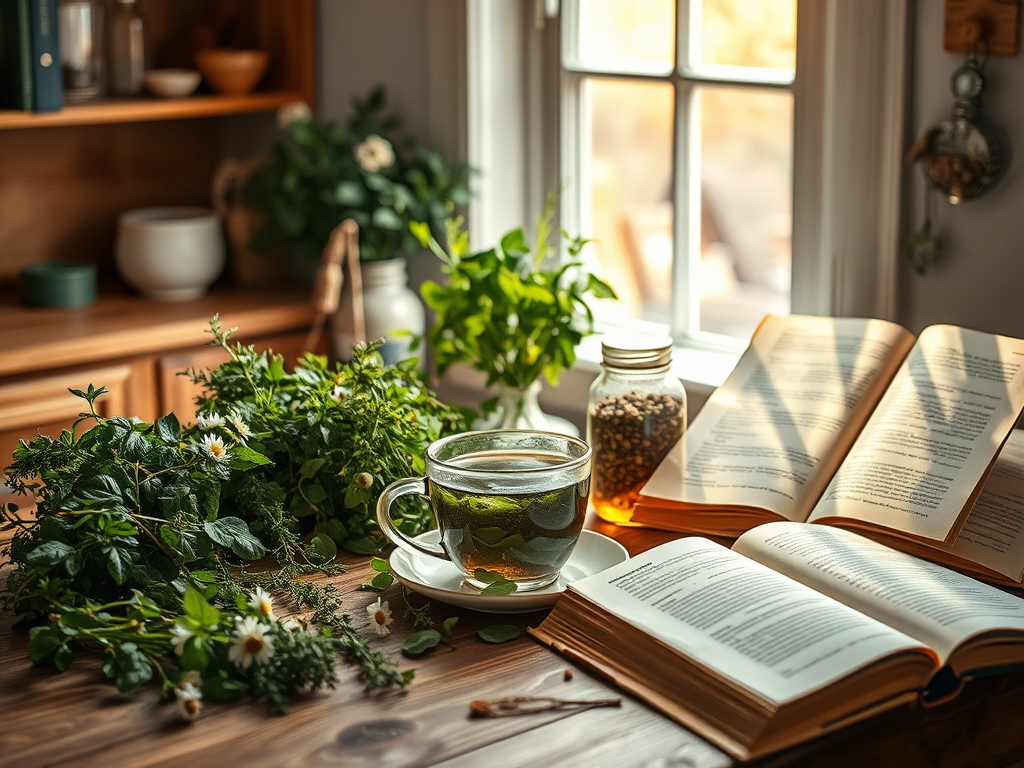
As a therapist who believes in holistic wellness, I’ve found “Forgotten Home Apothecary” to be a valuable complement to my clinical work—not as a replacement for evidence-based treatment, but as a bridge to ancestral wisdom that can enhance overall well-being.
This book reminds us that mental health is inseparable from physical wellness. The herbal preparations and traditional remedies detailed within offer gentle, time-tested approaches to supporting the nervous system. I often discuss with clients how chamomile tea before bed or adaptogenic herbs during stressful periods can complement their therapy work.
Many clients feel helpless in their healing journey. Learning to prepare simple herbal teas, tinctures, or aromatherapy blends from this guide gives them tangible tools they can use between sessions. There’s something profoundly therapeutic about connecting with plants and taking an active role in one’s wellness routine.
The book’s emphasis on working with natural rhythms resonates deeply with clients struggling with mood disorders. Understanding how to support the body through seasonal transitions using elderberry for immune support or nettle for spring detoxification can enhance resilience.
For many clients, reconnecting with traditional plant medicine practices helps heal generational disconnection from natural wellness traditions. This can be particularly meaningful in trauma work, where rebuilding trust in the body’s wisdom is essential.
The act of preparing herbal remedies itself becomes a meditative practice. Clients often report that the ritual of making tea or applying herbal salves helps them stay present and connected to their bodies—skills we’re actively developing in therapy.
I always emphasize that herbal wellness works best alongside, not instead of, professional mental health care. Check out this book for yourself and see all of the amazing natural based recipes you could begin using on your own wellness journey!

 Salt + Cedar Collective