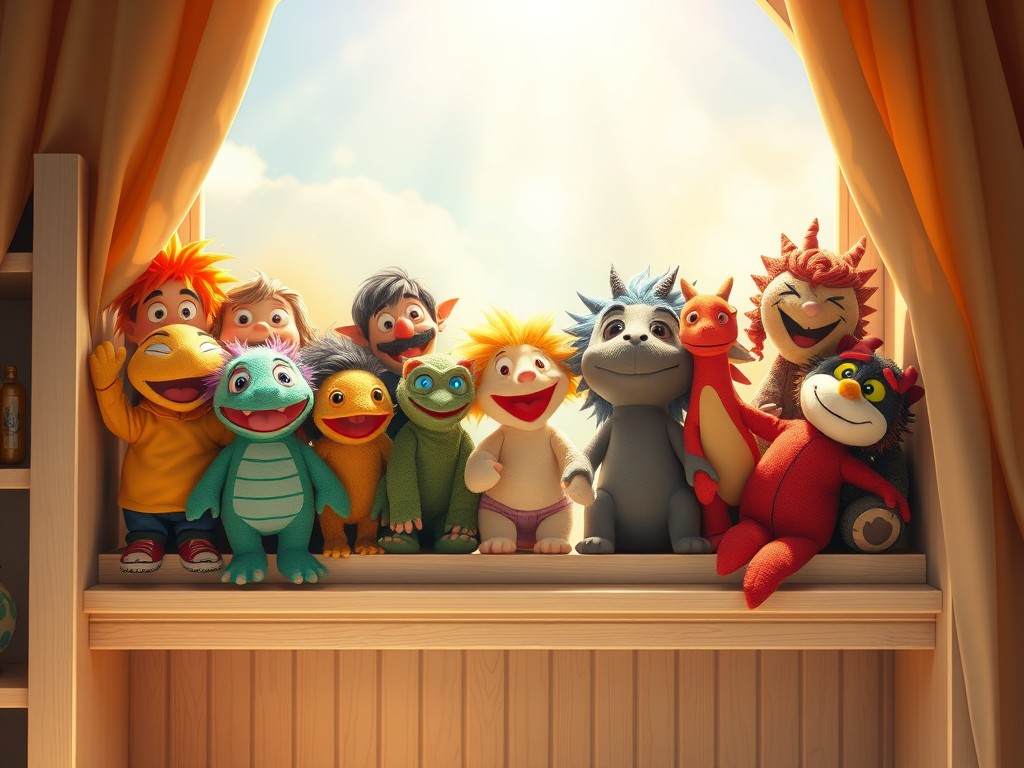
After several years of working with children, I’ve learned that sometimes the most profound therapeutic breakthroughs happen when we speak in whispers and squeaky voices. That’s why office shelves are lined with emotion puppets—each one a gateway to helping young clients explore their inner worlds.
Children often struggle to articulate complex feelings, especially when those emotions feel overwhelming or scary. A seven-year-old might not be able to tell me they’re experiencing anxiety, but they can absolutely have “Worry Worm” whisper about the butterflies in their tummy before school.
These simple tools create emotional distance that paradoxically brings children closer to their feelings. When angry feelings belong to “Red the Dragon” instead of themselves, kids feel safer exploring what makes them mad and brainstorming coping strategies. The puppet becomes both mirror and shield—reflecting their experience while protecting them from feeling too exposed.
I’ve watched selective mute children find their voices through puppet conversations, seen traumatized kids process difficult experiences by having puppets “practice” being brave, and observed anxious children develop emotional vocabulary as they teach puppets about different feelings.
The beauty lies in their simplicity. Unlike complex therapeutic techniques, emotion puppets meet children exactly where they are developmentally. They speak the language of play—a child’s natural medium for processing the world.
Every child deserves to feel understood and equipped to navigate their emotional landscape. Sometimes that understanding comes through the gentle wisdom of a fuzzy blue puppet who “gets it” in ways that grown-ups sometimes can’t.
Here are some that are worth checking out!

 Salt + Cedar Collective