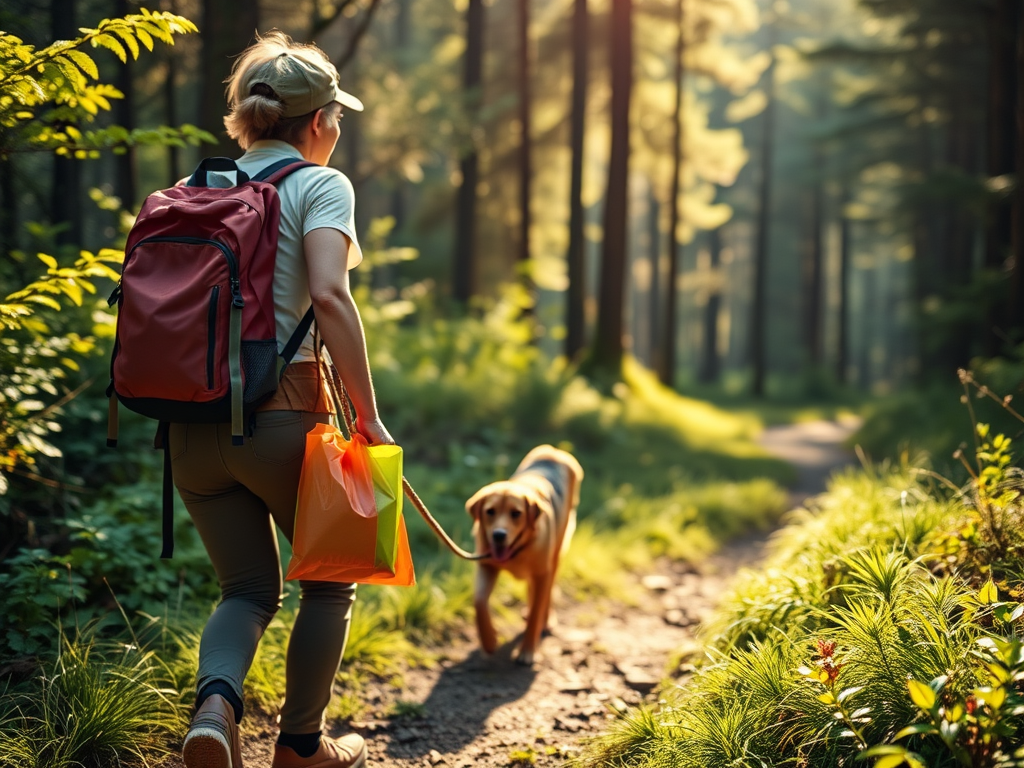
After twenty-five years of hiking trails, exploring dog parks, and wandering city streets with my canine companions, I’ve learned that being a responsible dog owner often comes down to the small details. Among all the gear I pack for outdoor adventures—water bowls, treats, first aid supplies—there’s one item that’s absolutely non-negotiable: poop bags. And trust me, I’ve learned this lesson the hard way more times than I care to admit.
Beyond Basic Courtesy
Yes, picking up after your dog is common courtesy, but it goes much deeper than social etiquette. During my early days as a dog owner, I naively thought that dog waste was “natural” and would simply decompose harmlessly outdoors. I quickly learned how wrong I was.
Dog waste carries bacteria, parasites, and viruses that can contaminate water sources and pose health risks to wildlife, other dogs, and humans. When I’m hiking with my labs along mountain streams or walking through neighborhood parks where children play, I’m acutely aware that what I leave behind affects the entire community.
Environmental Impact You Can’t Ignore
One statistic that changed my perspective: a single gram of dog waste can contain 23 million fecal bacteria. Multiply that by the millions of dogs enjoying outdoor spaces daily, and the environmental impact becomes staggering. Rain washes this waste into storm drains, streams, and eventually larger water bodies, contributing to pollution and algae blooms.
I’ve witnessed firsthand how popular hiking trails and dog parks can become unusable when waste accumulates. Some of my favorite local spots have had to implement strict regulations or even temporary closures due to contamination issues. As someone who values access to outdoor spaces for my dogs, protecting these areas feels like protecting my own backyard.
The Social Contract of Dog Ownership
Nothing damages the reputation of dog owners faster than the stereotype of the irresponsible owner who doesn’t clean up. I’ve seen beaches, hiking trails, and parks restrict or ban dogs entirely because of waste issues. Every time I pick up after my dog, I’m not just being courteous—I’m helping preserve access for all dog owners who come after me.
I’ve also noticed how other hikers and park visitors react differently to dog owners who are clearly prepared and responsible. Carrying visible poop bags signals that you’re a conscientious pet owner, often leading to more positive interactions and greater tolerance for dogs in shared spaces.
Practical Lessons from the Trail
Over the years, I’ve refined my poop bag strategy through trial and error. Early mistakes taught me valuable lessons: always carry more bags than you think you’ll need (my lab once had an upset stomach during a two-mile hike), invest in quality bags that won’t tear at the worst possible moment, and always have a backup plan.
I learned to check for holes before leaving the house after experiencing the horror of a leaky bag two miles from the nearest trash can. Now I do a quick squeeze test on each bag before packing them. I also discovered that biodegradable bags, while environmentally preferable, require more careful handling and storage to prevent premature breakdown.
Beyond the Basics: Strategic Planning
Experienced dog owners develop systems. I attach bag dispensers to every leash and keep extras in my car, hiking pack, and jacket pockets. For longer adventures, I bring a small sealed container for used bags—nothing ruins a hiking lunch like the smell of dog waste wafting from your pack.
I’ve also learned to scout locations beforehand. Remote trails might not have trash receptacles, so I plan for pack-out situations. Urban areas usually have disposal options, but they’re not always obvious when you need them most. A little planning prevents the embarrassing situation of carrying waste for hours.
Teaching the Next Generation
When I see children on trails or in parks, I make a point of being visibly responsible with waste cleanup. Kids are watching, learning what normal behavior looks like. If they see dog owners consistently cleaning up, they internalize that expectation. If they see waste left behind, they learn that’s acceptable too.
I’ve had parents thank me for modeling good behavior when their children were watching. These small moments matter—they shape how the next generation views responsible pet ownership and whether they’ll support continued access for dogs in public spaces.
The Technology Upgrade
Modern poop bags have come a long way from the old grocery bag days. Today’s options include extra-thick varieties for large dogs, scented bags for sensitive noses, and compostable options for environmentally conscious owners. Some even come with convenient tie handles or are designed to fit specific dispensers.
I’ve settled on unscented, biodegradable bags that are thick enough to handle any situation but break down reasonably quickly in proper composting conditions. The investment in quality bags pays off in reliability and peace of mind.
The Bottom Line
After decades of outdoor adventures with dogs, I’ve concluded that poop bags represent something larger than waste management—they’re about respect. Respect for shared spaces, for other users, for the environment, and for the privilege of bringing our dogs into public areas.
Every time I clip that bag dispenser to a leash, I’m making a commitment to leave spaces better than I found them. It’s a small gesture that preserves access, protects health, and maintains the social contract that allows our dogs to be welcome members of the outdoor community.
Because at the end of the day, the difference between responsible and irresponsible dog ownership often comes down to a simple plastic bag. Make sure you never leave home without them.
These are some of the best around! Give them a try!

 Salt + Cedar Collective