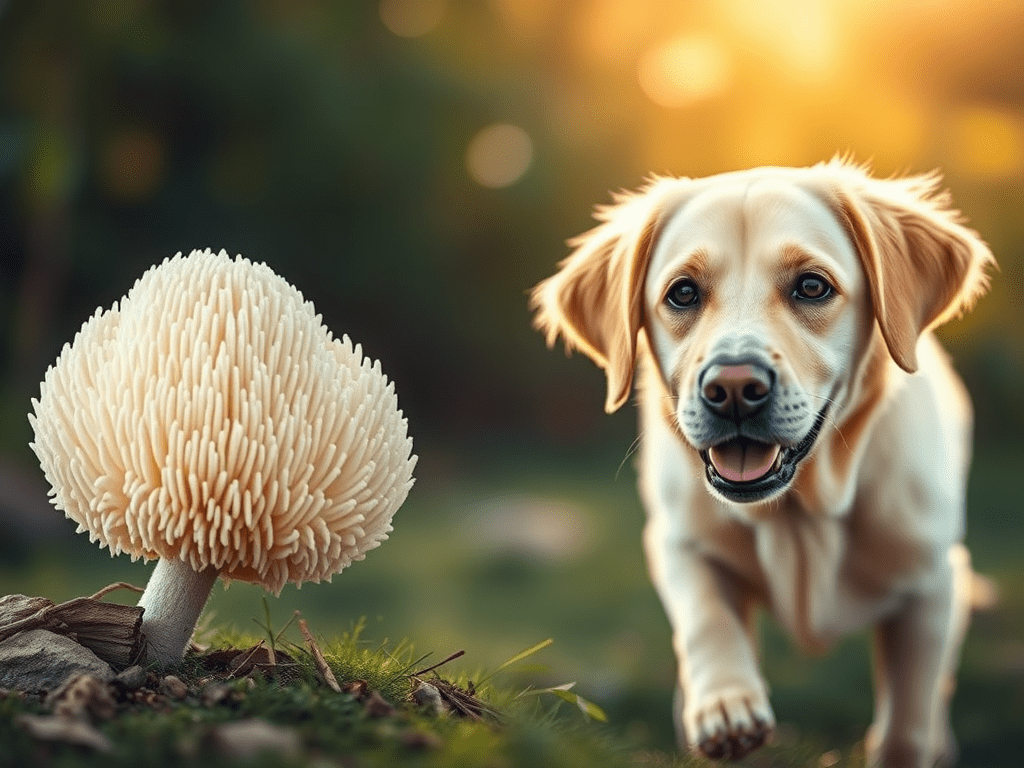
After more than twenty years of sharing my life with dogs—from energetic Labrador retrievers to senior rescues—I’ve learned that good nutrition goes far beyond a quality kibble. Like many devoted dog parents, I’m always researching ways to support my pets’ health naturally. Recently, lion’s mane mushrooms have caught my attention, and after consulting with my veterinarian and doing extensive research, I’ve been impressed by their potential benefits.
What Makes Lion’s Mane Special
Lion’s mane (Hericium erinaceus) isn’t your typical grocery store mushroom. This distinctive, white, shaggy-looking fungus has been used in traditional medicine for centuries and is gaining recognition in veterinary circles for its unique properties. What sets lion’s mane apart is its ability to support nerve growth factor (NGF) production, which plays a crucial role in maintaining healthy neural function.
Cognitive Support for Aging Dogs
One of the most compelling reasons I started researching lion’s mane was watching my 7-year-old retriever show signs of cognitive issues—disorientation, changes in sleep patterns, and decreased interaction with the family. While canine cognitive dysfunction is common in senior dogs, I wanted to explore every safe option to support his mental clarity.
Studies suggest that lion’s mane may help protect existing neurons and encourage the growth of new neural connections. While research in dogs is still emerging, the preliminary evidence for cognitive support in mammals is encouraging. After three months of supplementation (under veterinary guidance), I noticed subtle improvements in my dog’s alertness and engagement.
Immune System Benefits
Lion’s mane contains beta-glucans, compounds known to support immune function. In my experience with multiple dogs over the years, a robust immune system makes the difference between a dog that bounces back quickly from minor illnesses and one that struggles with recurring issues. While lion’s mane isn’t a cure-all, it appears to be a valuable addition to an overall wellness strategy.
Digestive Health Support
Several of my dogs have dealt with digestive sensitivities, and I’ve found that mushroom supplements, including lion’s mane, can support gut health. The prebiotic properties may help maintain beneficial gut bacteria, which we now know plays a crucial role in overall health and even mood regulation in dogs.
Important Safety Considerations
Before adding any supplement to your dog’s routine, veterinary consultation is essential. While lion’s mane is generally considered safe for dogs, dosing matters significantly. I’ve learned that what works for humans doesn’t automatically translate to appropriate canine dosing.
Start slowly—I typically introduce any new supplement at a quarter of the recommended dose for the first week, watching carefully for any digestive upset or changes in behavior. Some dogs may be sensitive to mushrooms, so monitoring is crucial during the introduction period.
Integration with Overall Wellness
Lion’s mane works best as part of a comprehensive approach to canine health. Regular exercise, mental stimulation, quality nutrition, and preventive veterinary care remain the foundation. Supplements like lion’s mane are additions to, not replacements for, these basics.
I’ve found that dogs receiving lion’s mane seem to get the most benefit when their overall lifestyle supports brain health—regular training sessions, puzzle toys, social interaction, and consistent routines all complement the supplement’s potential effects.
Realistic Expectations
Supplements work gradually, and benefits may be subtle rather than dramatic. I typically commit to at least three months of consistent use before evaluating effectiveness. Some changes—like improved coat quality or slightly better focus during training—might be noticed by owners before others see them.
The Bottom Line
While lion’s mane mushrooms show promise as a natural way to support canine cognitive function, immune health, and overall wellness, they’re not magic bullets. They’re tools in the toolkit of responsible pet ownership, most effective when combined with excellent basic care and veterinary oversight.
As with any aspect of our dogs’ health, the key is staying informed, working closely with trusted veterinary professionals, and always prioritizing our pets’ individual needs over trending supplements. Our dogs depend on us to make thoughtful decisions about their care—and that includes knowing when to try something new and when to stick with what’s
Here’s some that I’ve used with my fur babies!

 Salt + Cedar Collective